Culebra snorkeling: reefs, ferry timings and the right tour
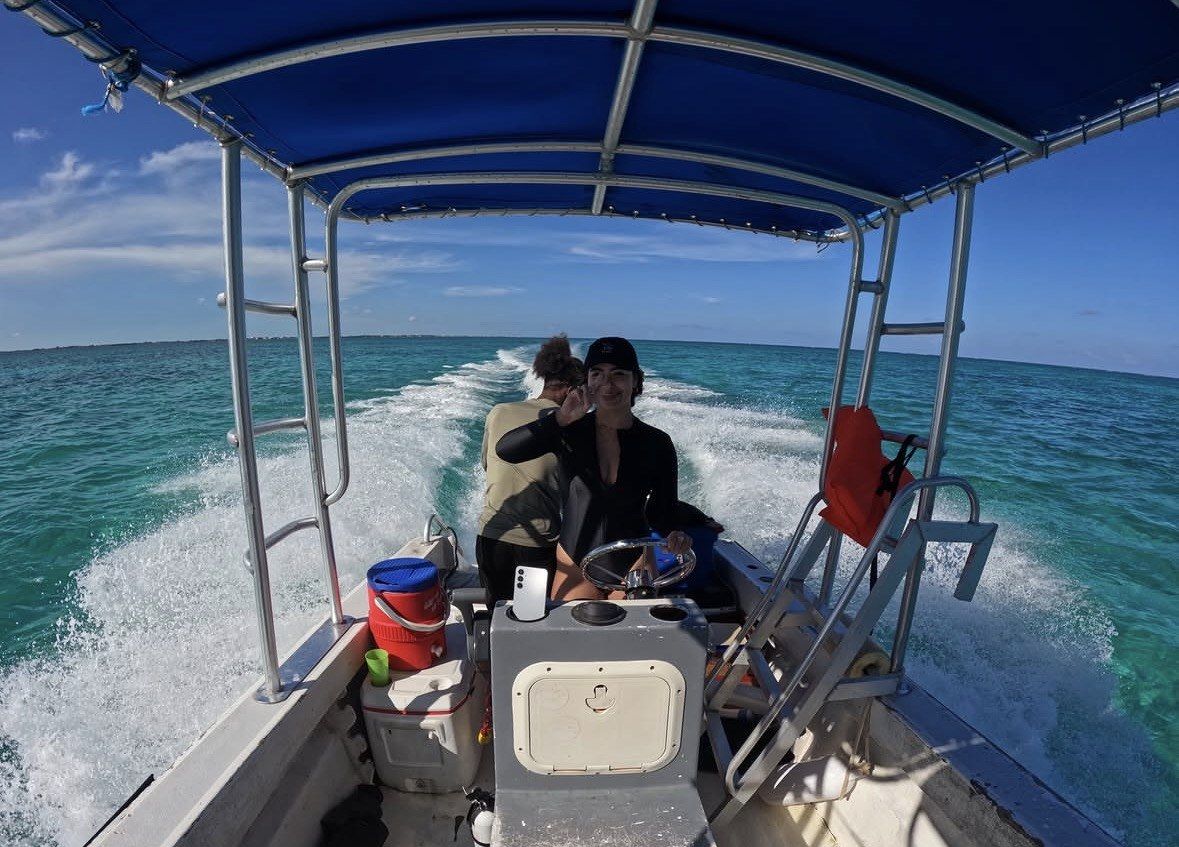
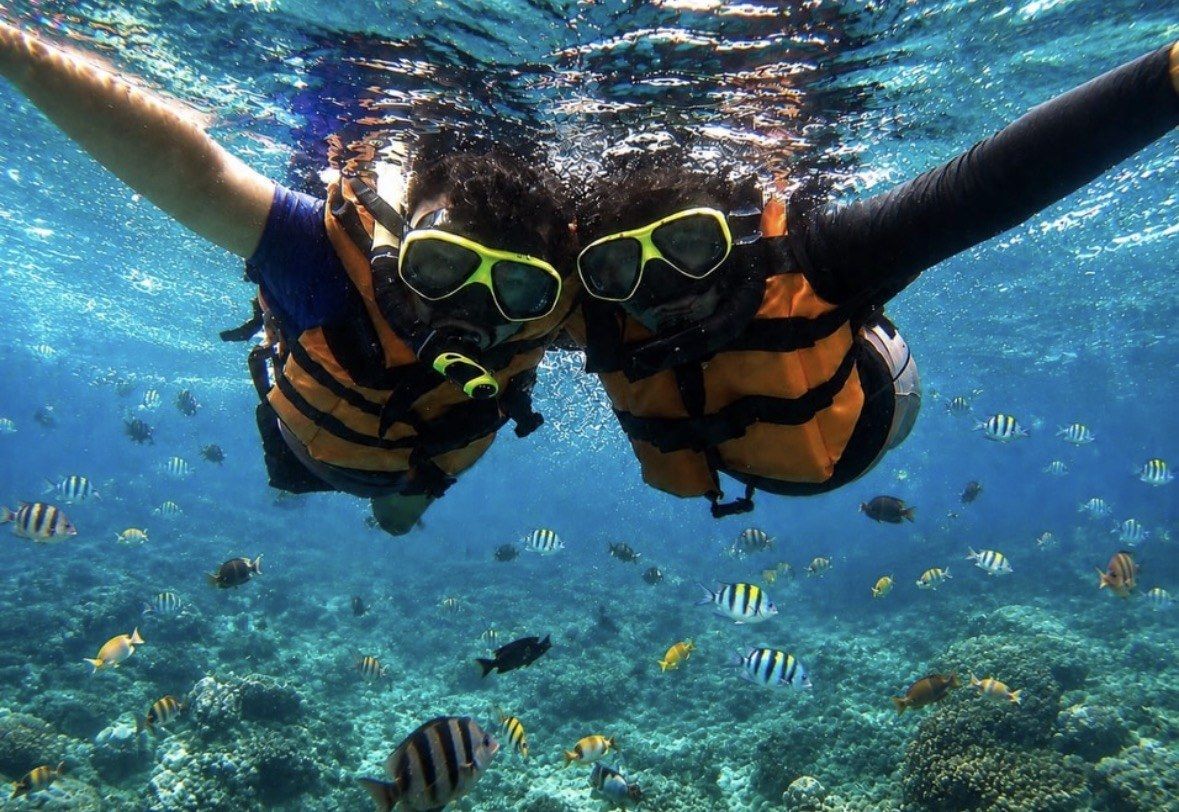
Reefs worth the trip sit on the southwest, leeward side of the island, inside a no-take marine reserve. The tours on this site get you there from Ceiba or from the Fajardo marinas, with gear, transport and lunch already settled.
Culebra is small, and the water that matters is all on one side of it. Knowing which side saves you a wasted morning.
Culebra lies 17 miles northeast of mainland Puerto Rico, a municipality of about 11.6 sq mi whose main island runs roughly 7 by 5 miles and counted 1,792 residents at the 2020 Census. The reefs people cross for are on the southwest, leeward coast, inside the Canal de Luis Peña Natural Reserve, which stretches between the Flamenco Oeste peninsula and Punta de Vapor. That orientation explains almost everything: Melones, Tamarindo and Carlos Rosario stay sheltered when the trade winds pick up, while Zoni at the end of PR-250 faces the weather and the open channel.
U.S. Navy control of Culebra land began in 1902, with the Culebra Naval Reservation set up in 1903. Gunnery and bombing practice ran from 1939 until gunnery ended in 1975, operations moving to Vieques after residents began protesting in 1971. Portions of land passed to the Commonwealth and the U.S. Fish and Wildlife Service in 1976. Culebra National Wildlife Refuge is older still, created by Executive Order 1042 on 27 February 1909 under Theodore Roosevelt as the first federal wildlife reserve in the Caribbean for native birds. Two Sherman practice tanks still sit at Flamenco's west end.
Most visitors arrive at the Culebra terminal on Calle Pedro Márquez in Dewey, the island's only town, after a crossing the operator puts at about 1 hour 30 minutes from Ceiba. Flamenco is about 2.5 miles away, a mile-long horseshoe with restrooms, changing rooms, showers, picnic tables, chair and umbrella rentals, camping, a large parking lot, food kiosks and the island's only snorkel-beach lifeguards. The reef there is confined to the east end. Guided trips handle the rest of the coast, including Carlos Rosario, which no road reaches.
Island sizeAbout 11.6 sq mi, roughly 7 by 5 miles
Distance from the mainland17 miles northeast of Puerto Rico
Ferry crossingAbout 1 hour 30 minutes from Ceiba
Adult ferry fare$2.25 one way, ages 13 to 59
Marine reserve1,208 acres, no-take since 1999
Refuge trails and public areasOpen daily 6:00 AM to 6:00 PM
1909
One of the oldest refuges in the Caribbean
Culebra National Wildlife Refuge was created by Executive Order 1042 on 27 February 1909 under Theodore Roosevelt. It was the first site in the Caribbean designated a federal wildlife reserve for native birds.
1,510 acres
Federal land around the best water
Federal refuge land runs to 1,510 acres and takes in 21 offshore cays around the main island. Cayo Luis Peña, the cay that shelters Tamarindo and Carlos Rosario, accounts for about 342 acres of it.
1,208 acres
Puerto Rico's first no-take reserve
Designated on 11 June 1999 after an 18-year local campaign, the Canal de Luis Peña Natural Reserve covers roughly 4.8 square kilometres. Nothing may be removed, including shells, coral or fish, and DNER banned fishing inside it the same year.
50 yards
The distance NOAA asks for
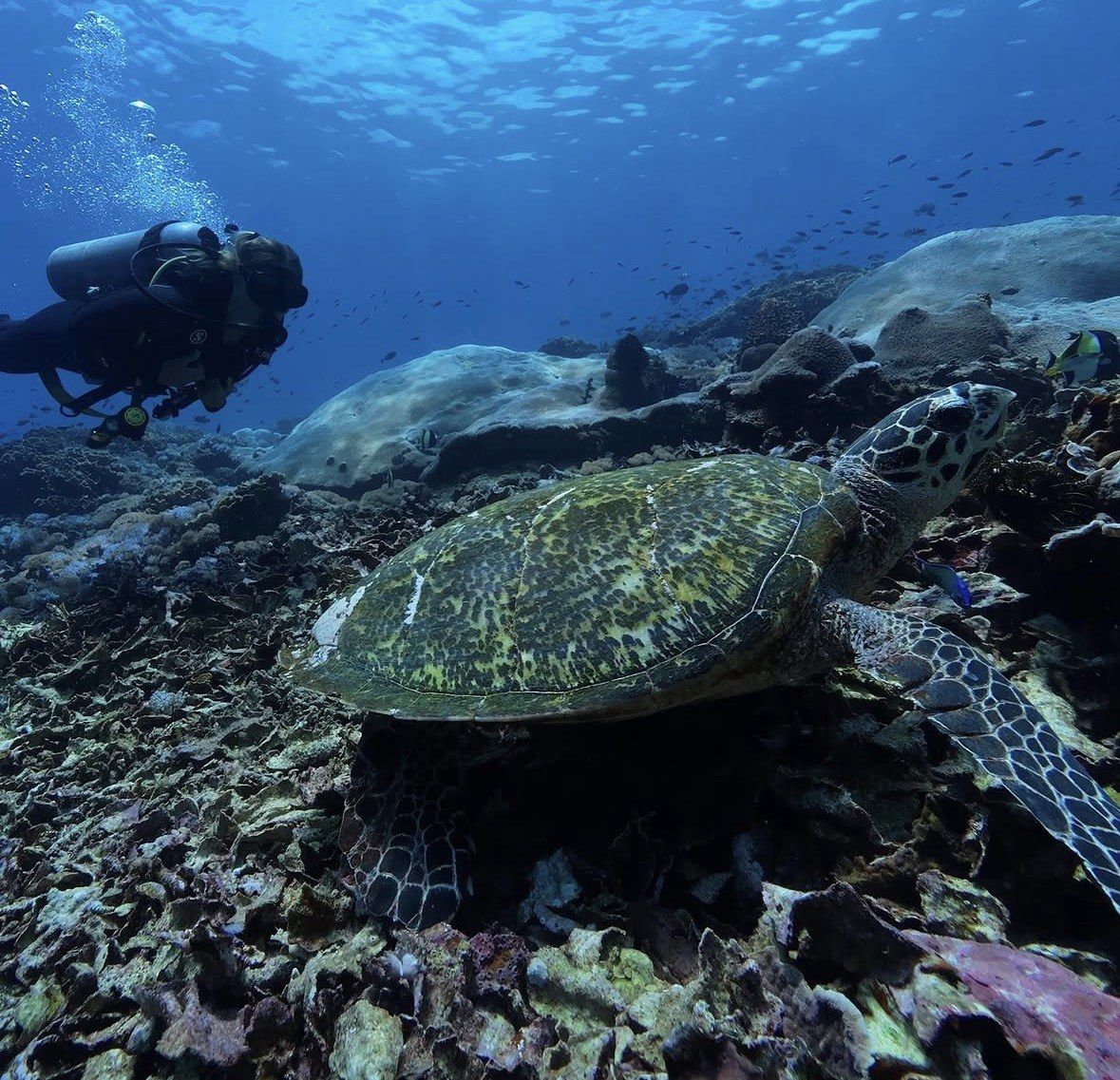
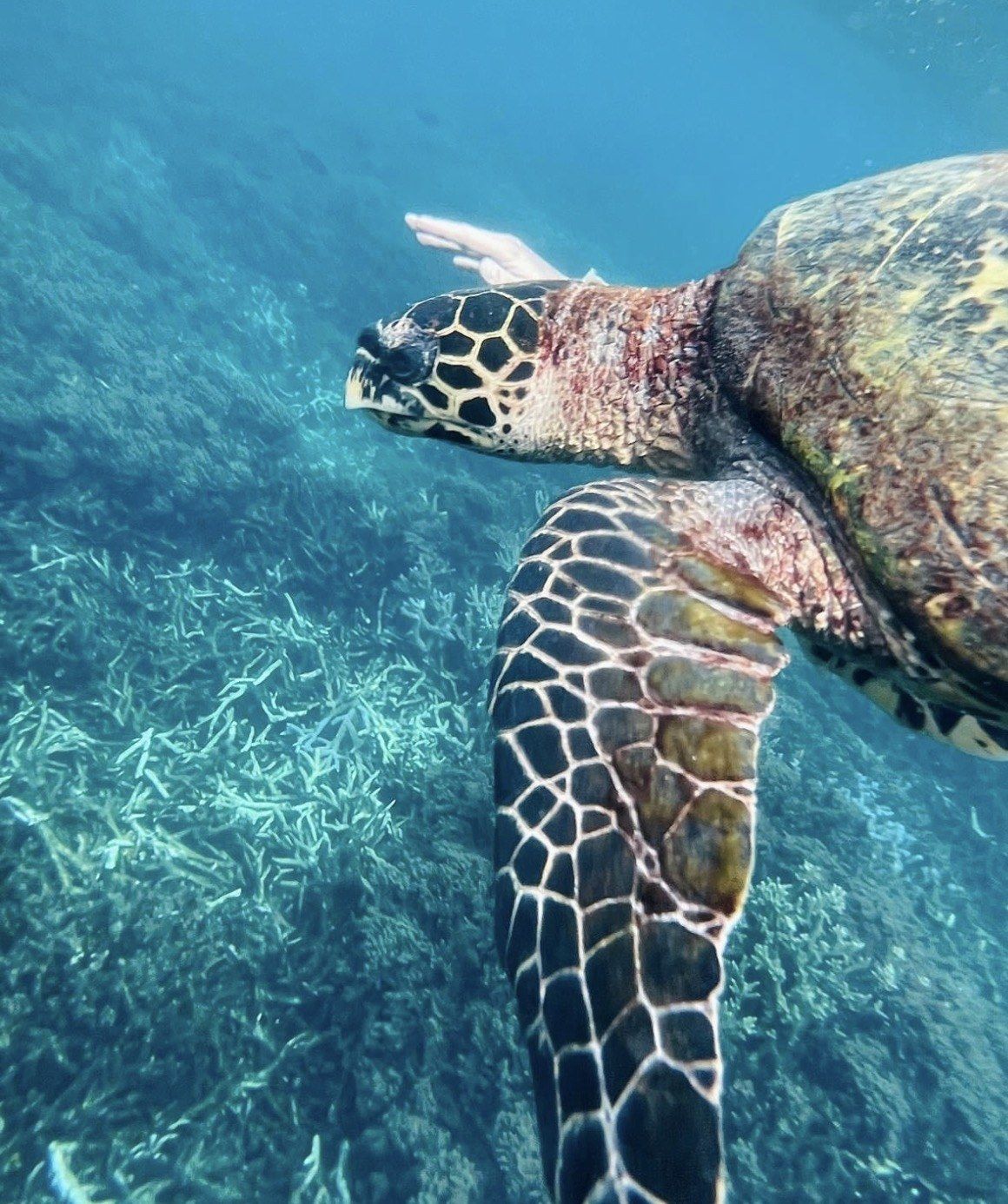
NOAA Fisheries viewing guidance asks snorkelers in U.S. waters to stay at least 50 yards from sea turtles. Touching, riding, petting or trying to interact with them is not permitted.
Critical habitat
The seagrass is legally protected
All of Culebra's seagrass beds, the feeding grounds at Tamarindo and Melones, are designated critical habitat for endangered species. Standing on them or dragging fins through them is prohibited, and any contact with coral causes damage.
1 h 30 min
The official crossing time
Puerto Rico Ferry states the Ceiba to Culebra crossing takes about one hour and thirty minutes. Be at the terminal one hour before departure, since boarding closes 10 minutes before the scheduled sailing.
The east end of Flamenco
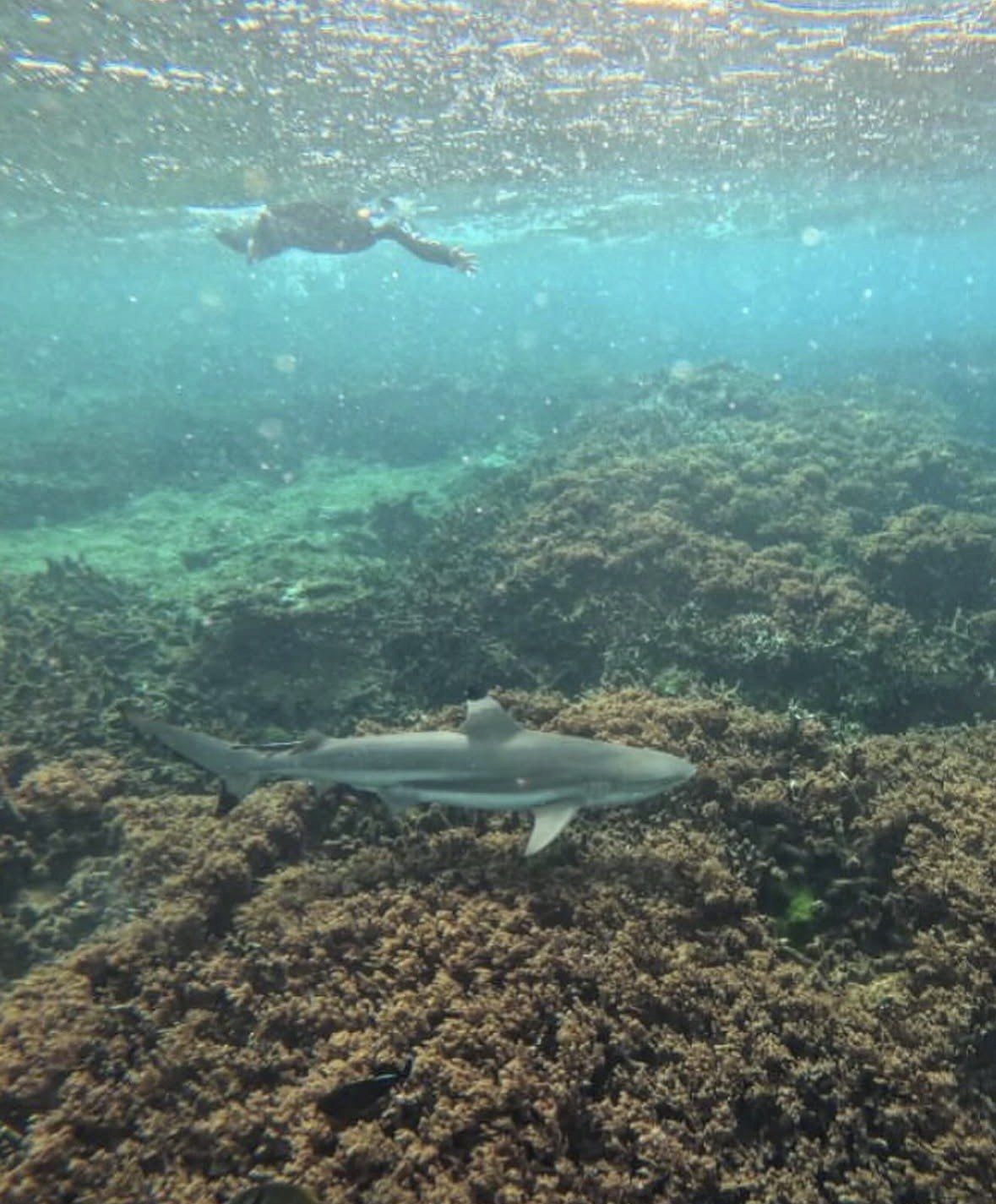
Flamenco's reef sits at the east end, locally called the Shark Cages, and the safe entry and exit is the gap between the two rows of concrete and rock rather than over the reef itself. It is the only Culebra snorkel beach with lifeguards. Treat the rest of the mile-long horseshoe as a beach day.
Tamarindo's soft corals
Playa Tamarindo, off PR-251, is known for its soft corals and sea anemones, and it sits on the sheltered southwest coast inside the reserve. There are no lifeguards here. The seagrass is protected critical habitat, so float over it instead of standing.
The walk to Carlos Rosario
Carlos Rosario is not road-accessible. On foot it is a 20 to 30 minute walk of just under a mile over a hot hill from the back left corner of the Flamenco parking lot, past a refuge warning about unexploded ordnance from the Navy-era ranges, with use at your own risk. Boat, kayak or water taxi is the other way in, and the beach has no facilities.
Melones, a short hop from Dewey
Playa Melones is rocky, backed by subtropical forest and within walking distance of Dewey, reached past PR-252 where the municipal roads to Quintas de Culebra and Melones begin. No lifeguards are posted. Beach shoes make the rocky entry easier.
Isla Culebrita by boat
Culebrita lies about 5 miles off Culebra and can only be reached by boat. There are no facilities and no lifeguards, and the 19th-century Spanish-era lighthouse is closed to the public because of its damaged condition. The crossing is part of what a boat day buys you.
Birds and the Sherman tanks
At least 115 bird species have been reported on Culebra, and Flamenco and the nearby cays host an estimated 30,000 to 40,000 pairs of Sooty Terns plus about 800 pairs of Brown Noddies, which is why the Flamenco peninsula and adjacent cays are closed to the public. Birding focuses on the observation tower near the refuge office, the Caño Bruley mangrove boardwalk and Flamenco Lagoon. Two practice tanks sit at Flamenco's west end, one graffitied and one rusting, up a short rocky trail where beach shoes help.
Five booked trips and two sets of logistics, side by side on price, duration, what is included and who each one suits.
Picking a starting point is the hard part of Culebra snorkeling. Five boat trips on this site leave from the Fajardo marinas or run door to door with the public ferry, and the two rows after them cover the logistics some readers already have in hand: a car as far as the Ceiba terminal, or shared transport and a short flight into CPX. Read across the four columns and the choice usually comes down to duration and how much you want handled for you.
Price
Duration
What is included
Who it suits
★ Ferry day trip with guided snorkeling and turtles, from Ceiba
From $146
10 hours
Round-trip Ceiba to Culebra ferry tickets plus entry admission, Flamenco Beach visit with entry admission, mask, fins, snorkel and flotation belt, guided interpretive snorkeling, ground transportation throughout Culebra, snacks and refreshments, digital photo album. Lunch is not included and can be bought on the island
No car on the mainland and one day to spend, or anyone who wants the island itself rather than only the reefs. Rated 4.7 from 1529 reviews. Meet the guide in front of the ferry boarding area
Catamaran day from Fajardo
From $180
6 hours
Lunch, beverages including sodas, juices, water and local beer, and use of snorkelling equipment. Hotel pickup and drop-off not included
Staying near Fajardo and wanting a classic big-boat day. Rated 4.6 from 2722 reviews, the highest review count here. Drivers meet at Puerto del Rey Marina 45 minutes before departure, with parking close to the boat
All-inclusive beach and snorkel day
From $168
6 hours
Use of snorkelling equipment, non-alcoholic beverages, rum drinks, light lunch of cold-cut sandwiches, fresh fruits, chips and dips. Gratuities not included
Early starters: meeting time is 8:00am at the gray gazebo with the orange roof in front of the parking lot. Rated 4.7 from 1083 reviews
Interpretive full day with a marine biologist
From $168
7 hours
Ecological interpretation about the surroundings, marine life and the history of Culebra, lunch, snacks, alcoholic and other beverages, all fees and taxes, snorkelling equipment, use of paddle boards, and a crew with a USCG-licensed captain, a professional snorkel guide and a Certified Interpretive Marine Biologist
Readers who want the biology explained and paddle boards in the mix. Rated 4.8 from 384 reviews, the highest-rated non-charter option. Arrive 45 minutes early for check-in and the waiver; if the building is closed, wait in the car for the crew
Private full-day charter from Fajardo
From $1292 for the whole boat
7.5 hours
BBQ of pork or chicken with pasta salad and sweet bread, half a gallon of rum and a box of Medalla Puerto Rican beer, sodas, bottled water, fruits and chips, snorkelling equipment and parking fees. Private transportation and gratuities not included
Groups and families who want the boat to themselves. Rated 5.0 from 158 reviews. Arrive 20 minutes early at Sunbay Marina, give the guard your reservation number and full name, park past Pier A and walk to the first gazebo by the marina office
By car to the Ceiba terminal, then the public ferry
Parking about $15 per day at the Ceiba lot, adult fare $2.25 one way for ages 13 to 59, $1.00 for children 4 to 12 and adults 60 to 74, coolers $2.00 and bicycles $2.00 per trip
Drive about 35 miles from San Juan, roughly 1 hour 15 minutes to 1.5 hours via PR-66 and PR-3, then a crossing of about 1 hour 30 minutes
The crossing only. Arrive one hour before departure, boarding closes 10 minutes before sailing, tickets are non-refundable and transferable at most twice, and a continuous shuttle links the lot to the terminal gate
Readers who already have a car on the mainland. Rental cars cannot board, since vehicles are loaded only for Vieques or Culebra residents. On the island, PR-250, PR-251, PR-252 and PR-253 cover the roads, with jeep and golf-cart rental in town
By public transport and short flights
Shared land-transport tickets from the Ceiba terminal at $3.00 to Luquillo town, $4.00 to Río Grande (Wyndham), $5.50 to Río Grande city, $7.00 to Canóvanas (Int. 185) and $9.00 to Río Piedras with a $30.00 minimum, plus $2.00 to $5.00 per shared vehicle for Ceiba town, Fajardo and Humacao with a four-ticket minimum
Varies by connection; most flights into Benjamín Rivera Noriega Airport (CPX) take under 25 minutes
Transport only. Públicos and taxis serve Culebra, with shared taxis from the ferry dock to Flamenco about $5 per person each way, since walking from the dock is not practical on a road without sidewalks
Travellers without a car who are building an itinerary around a booked trip. CPX is served by Air Flamenco, Cape Air and Vieques Air Link
Every option here ends up on the same stretch of leeward water between the Flamenco Oeste peninsula and Punta de Vapor, so the differences are logistics and comfort. Ten hours and from $146 if the ferry should be someone else's problem, 6 hours and from $180 on the catamaran, 7 hours and from $168 if you want the marine biologist, or from $1292 for the whole boat. Culebra snorkeling rewards an early meeting time more than a long day.
Practical info
Culebra Everything You Need to Know
Getting there, when to come, what to bring, how the island works and how to behave on the reef.
How to reach Culebra from San Juan, Ceiba and Fajardo
Fajardo is not the ferry port. The public ferry sails between the Ceiba terminal at Marina Dr., Roosevelt Roads, Ceiba PR 00735 and the Culebra terminal on Calle Pedro Márquez in Dewey, and the operator puts the crossing at about 1 hour 30 minutes. From San Juan the terminal is about 35 miles, roughly 1 hour 15 minutes to 1.5 hours via PR-66 and PR-3. Boat tours, by contrast, leave from the Fajardo marinas, Puerto del Rey and Sunbay.
Rental cars stay on the mainland: vehicles are loaded only if they belong to a Vieques or Culebra resident, and vehicle tickets are sold only at port windows. Parking at the Ceiba lot runs about $15 per day with a continuous shuttle to the gate. On the island, PR-250 runs about 9.0 km (5.6 mi) from the pier to Zoni and PR-251 covers 2.9 km (1.8 mi) to Flamenco. Públicos and taxis work, and Carlos Jeep Rental has jeeps and golf carts seven days a week.
Public ferry: Ceiba terminal at Marina Dr., Roosevelt Roads (Ceiba PR 00735) to Calle Pedro Márquez in Dewey, about 1 hour 30 minutes according to the operator
Sailing times are published only as a dated official itinerary PDF, the current one covering 1 August to 30 November 2026, so check the operator's page on the day
One-way fares: $2.25 for adults 13 to 59, $1.00 for children 4 to 12 and adults 60 to 74
Be at the terminal one hour before departure; boarding closes 10 minutes before sailing, tickets are non-refundable and can be transferred at most twice, at least an hour ahead
Items are charged separately: beach coolers $2.00, beach chairs and umbrellas $1.00, bicycles $2.00, surfboards $6.00, bodyboards $3.00
Driving from San Juan: about 35 miles, roughly 1 hour 15 minutes to 1.5 hours via PR-66 and PR-3, then about $15 per day for the secure lot at Ceiba
Flying: Benjamín Rivera Noriega Airport (CPX) is served by Air Flamenco, Cape Air and Vieques Air Link, with most hops under 25 minutes on a single 2,600 ft runway
Best months for calm water, and the weather risk by season
December to March is the island's dive and snorkel high season, which is when boats fill and advance booking matters most. May to October is the slower stretch and easier to arrange at short notice. The Atlantic hurricane season officially runs 1 June to 30 November and peaks climatologically on 10 September, the window when ferries and small-boat trips are most likely to be stood down. If your trip hinges on a boat, build in a spare day.
Trade winds build through the day, and only the southwest-facing reserve coves stay sheltered when they do, which is why Melones, Tamarindo and Carlos Rosario read calm while Zoni and Resaca do not. An early meeting time buys you the flattest water of the day, and the 8:00am start on the all-inclusive trip exists for that reason. Playa Brava may be closed from April to June for sea turtle nesting, and the Flamenco peninsula stays closed year-round for the tern colonies.
December to March: local dive and snorkel high season, so reserve weeks ahead
May to October: slower season, easier to book at short notice
Atlantic hurricane season runs 1 June to 30 November and peaks climatologically on 10 September
Trade winds strengthen through the day; the southwest reserve coves are the sheltered side
Playa Brava may be closed from April to June for sea turtle nesting
The Flamenco peninsula and the cays beside it are closed to the public to protect the sooty tern colonies
All the tours listed here give a full refund if you cancel at least 24 hours before the scheduled departure time
What to pack for a day on the reef
Every tour listed here includes use of snorkelling equipment, so the only piece worth carrying is your own mask if fit is a problem for you. Bring water and snacks for anything that involves a cay: there are no facilities or stores on Cayo Luis Peña or Culebrita, and none at Carlos Rosario either, so everything goes in and out with you. Add sunscreen, a hat and a towel, and keep some cash for island charges.
Beach shoes earn their place twice over on this island: once on the rocky west end of Flamenco where the short trail to the two Sherman tanks starts, and again on the path over the hill to Carlos Rosario, which has rocks and thorns along it. A rash guard beats reapplying sunscreen over your back on a long boat day. A dry bag keeps a phone and ferry tickets usable through a 1 hour 30 minute crossing.
Your own mask if fit matters to you; walk-in rental at the shop across from the ferry terminal runs $20 per day for mask, snorkel and fins
Beach shoes for the rocky west end of Flamenco and the stony, thorny path to Carlos Rosario
Water and snacks for the cays and Carlos Rosario, where there are no facilities or stores
Sunscreen, a hat and a towel, the kit the refuge advises for cay visits
Rash guard or thin layer for long boat days in open sun
Dry bag for phone, ferry tickets and documents
Cash for ferry item charges, beach coolers at $2.00 and bicycles at $2.00 per trip
Cash for the admission and parking charges collected at the Flamenco gate
How the island works once you are off the boat
Dewey is Culebra's only town and the arrival point for the ferry, and there is a single bridge on the island. Flamenco is about 2.5 miles away on a hilly route, so take a shared taxi at about $5 per person each way, a golf cart or an e-bike rather than walking a road with no sidewalks. Carlos Jeep Rental runs jeeps, minivans and four- and six-passenger golf carts seven days a week from offices on Carr. #250, by the airport on PR-251 and at Roosevelt Roads in Ceiba.
Flamenco is run by ACDEC, the municipal Autoridad de Conservación y Desarrollo de Culebra, and it is the one gate most visitors meet: admission is collected per person with a wristband issued at the entrance, plus a charge per vehicle including golf carts. Those amounts date from 15 October 2018, so treat them as indicative and check at the gate. Chair and umbrella rentals run roughly $10 to $15 per day. El Polvorín, the historical museum, occupies a former Navy WWII ammunition depot.
Dewey is the only town; PR-250 runs about 9.0 km (5.6 mi) from the Port of Culebra pier east to its dead end at Zoni
Flamenco is about 2.5 miles from Dewey; shared taxis cost about $5 per person each way
Flamenco charges, collected by ACDEC: roughly $2 per person admission plus $5 per car, $4 per golf cart and $3 per motorcycle, as published from 15 October 2018
Flamenco hours: parking area 7:30 AM to sunset, restrooms and showers 7 AM to 6 PM, food kiosks roughly 8 AM to 5 or 6 PM; one local source reports the gate open 7am to 5:30pm
Chair and umbrella rentals at Flamenco run roughly $10 to $15 per day, with umbrellas quoted up to $15 to $20
Carlos Jeep Rental takes reservations online or on (787) 742-3514, with weekly and monthly rates
The refuge office is at Carr. 250 Km 3.5, Culebra PR 00775, and arranges interpretive tours for groups and school visits on request ([email protected], 305-394-2028)
Staying safe in the water and keeping the reef intact
Sun and water are the two things that catch people out here. Shade at Flamenco comes mainly from the pine trees over the picnic tables near the tree line, and on the cays there is no shade and no store, so carry water, sunscreen, snacks, a towel and a hat. Snorkelers should be comfortable swimming unassisted. Refuge public areas and hiking trails are open daily from 6:00 AM to 6:00 PM, which sets the clock on any walk-in beach.
Flamenco is the only Culebra snorkel beach with lifeguards; Melones, Tamarindo, Carlos Rosario, Punta Soldado and Zoni have none. At Flamenco's east-end reef, enter and exit through the gap between the two rows of concrete and rock rather than crossing the reef. Carlos Rosario has no facilities and currents can be strong in places. NOAA viewing guidance asks snorkelers to stay at least 50 yards from sea turtles, and touching, riding or petting them is not permitted.
Flamenco is the only Culebra snorkel beach with lifeguards; Melones, Tamarindo, Carlos Rosario, Punta Soldado and Zoni have none
At Flamenco's east end, enter and exit through the gap between the two rows of concrete and rock
Carlos Rosario has no facilities and currents can be strong in places, so carry everything in and out
The Carlos Rosario trailhead carries a refuge warning about unexploded ordnance from the Navy-era ranges, and use of the trail is at your own risk
Culebrita has no facilities and no lifeguards, and its 19th-century lighthouse is closed to the public
NOAA asks for at least 50 yards from sea turtles, with no touching, riding or petting
Any contact harms coral, and standing on or dragging fins through Culebra's seagrass is prohibited as designated critical habitat; nothing may be removed from the no-take reserve, including shells, coral or fish
Location
Find Culebra
The ferry terminal sits on Calle Pedro Márquez in Dewey, Culebra, PR 00775, with the reserve beaches along the southwest coast and Flamenco at the end of PR-251.
Plan your visit
Practical information for snorkeling on Culebra
Ferries, beaches, reserve rules, seasons and maps, so you arrive knowing exactly how your snorkeling day will run.
Straight answers on ferries, boats, beaches and reef rules, with the figures from the operators and agencies that run them.
You can, but build the day around a tour rather than improvising. The public ferry runs from the Ceiba terminal at Marina Dr., Roosevelt Roads, not Fajardo, the crossing takes about 1 hour 30 minutes each way, and you must be at the terminal one hour before departure with boarding closing 10 minutes before sailing. The Ceiba terminal sits about 35 miles from San Juan, a drive of roughly 1 hour 15 minutes to 1.5 hours via PR-66 and PR-3. If you have no car and one day, the ferry-based "Culebra Snorkel with Turtles & Flamenco Beach Adventure by Ferry" (10 hours, from $146, rating 4.7 from 1529 reviews) handles the ferry tickets, the gear, the island transport and the guide for you.
Take a boat that leaves from a Fajardo marina instead of chasing the ferry. The "Culebra Snorkeling Tour by Catamaran from Fajardo" runs 6 hours from $180 with lunch, sodas, juices, water, local beer and gear included, and carries the highest review count on this site at 4.6 from 2722 reviews; drivers meet at Puerto del Rey Marina 45 minutes before departure, where there is parking near the boat. If you would rather start early with drinks included, the "Culebra Snorkeling and Beach Day Tour All Inclusive" is 6 hours from $168, rating 4.7 from 1083 reviews, meeting at 8:00am at the gray gazebo with the orange roof in front of the parking lot. Both share the same cancellation rule: for a full refund, cancel at least 24 hours before the scheduled departure time.
Flamenco works as a beach day with one specific snorkel at its east end, the spot locals call the Shark Cages. Enter and exit through the gap between the two rows of concrete and rock rather than crossing the reef itself. It is the only Culebra snorkel beach with lifeguards, and it has restrooms, changing rooms, showers, picnic tables, chair and umbrella rentals, camping, a large parking lot and food kiosks; the parking area operates 7:30 AM to sunset, restrooms and showers 7 AM to 6 PM, and admission and parking charges are collected by ACDEC, the municipal Autoridad de Conservación y Desarrollo de Culebra. When reef time is the point, the sheltered beaches on the southwest side are the better call, and the tours listed here put you on those reefs with a guide.
Culebra's southwest, leeward coast holds the Canal de Luis Peña Natural Reserve, which runs between the Flamenco Oeste peninsula and Punta de Vapor, and that is why Melones, Tamarindo and Carlos Rosario are the sheltered side of the island. Tamarindo is known for soft corals and sea anemones, and Melones is rocky, backed by subtropical forest and within walking distance of Dewey. Zoni sits at the far end of PR-250 looking out to Culebrita, Cayo Norte and St Thomas, on the exposed side. Guided boats work these leeward reefs and already carry the gear, which saves you reading the wind from the sand.
No road goes there. On foot it is a 20 to 30 minute walk of just under a mile over a hot, exposed hill from the back left corner of the Flamenco parking lot, and walkers should skip the first small beach they reach; otherwise it is boat, kayak or water taxi. The trailhead carries a refuge warning about unexploded ordnance from the Navy-era ranges and use is at your own risk, with rocks and thorns on the path, and refuge public areas and hiking trails are open daily 6:00 AM to 6:00 PM. There are no facilities at the beach and currents can be strong in places, so arriving by boat with a crew is the easier version of this reef.
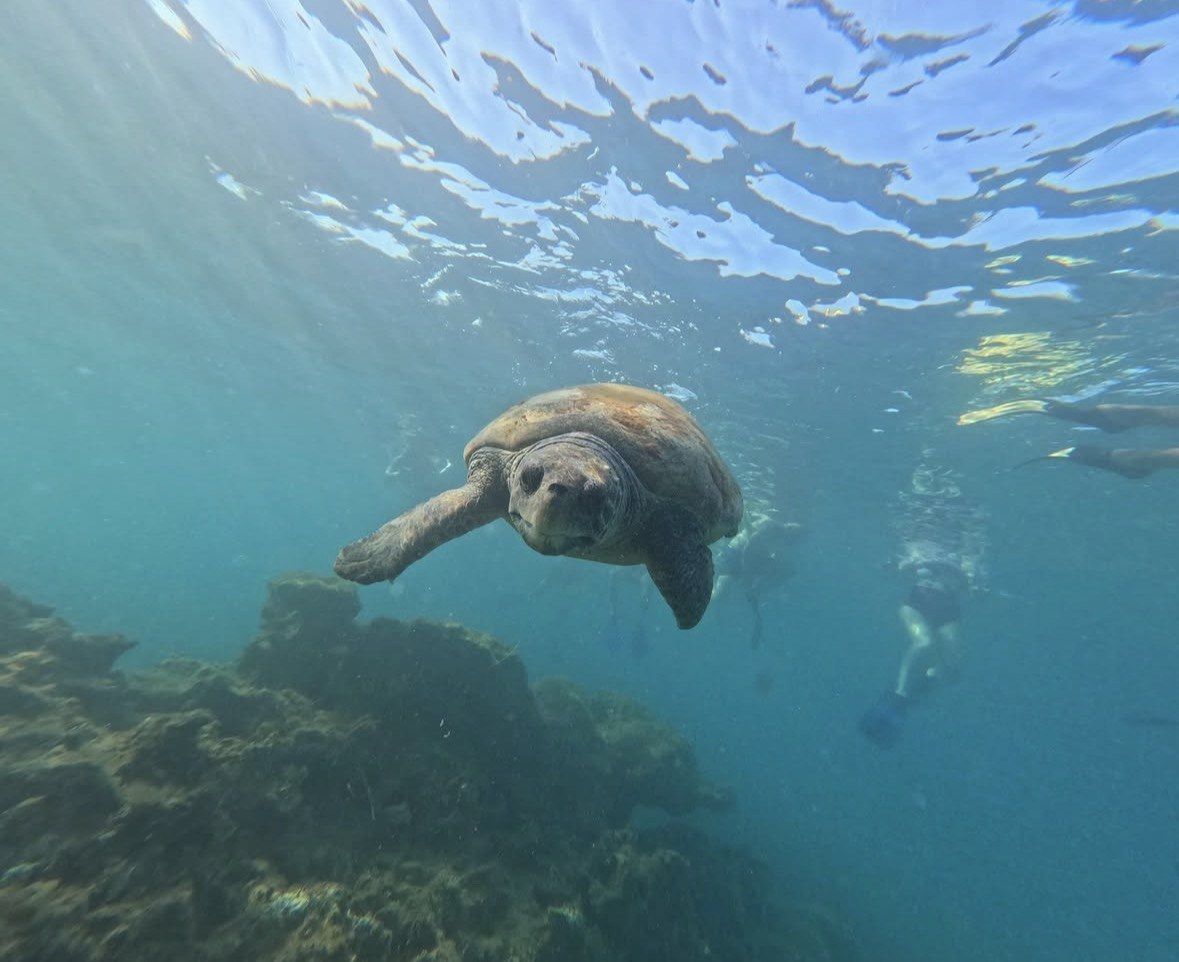
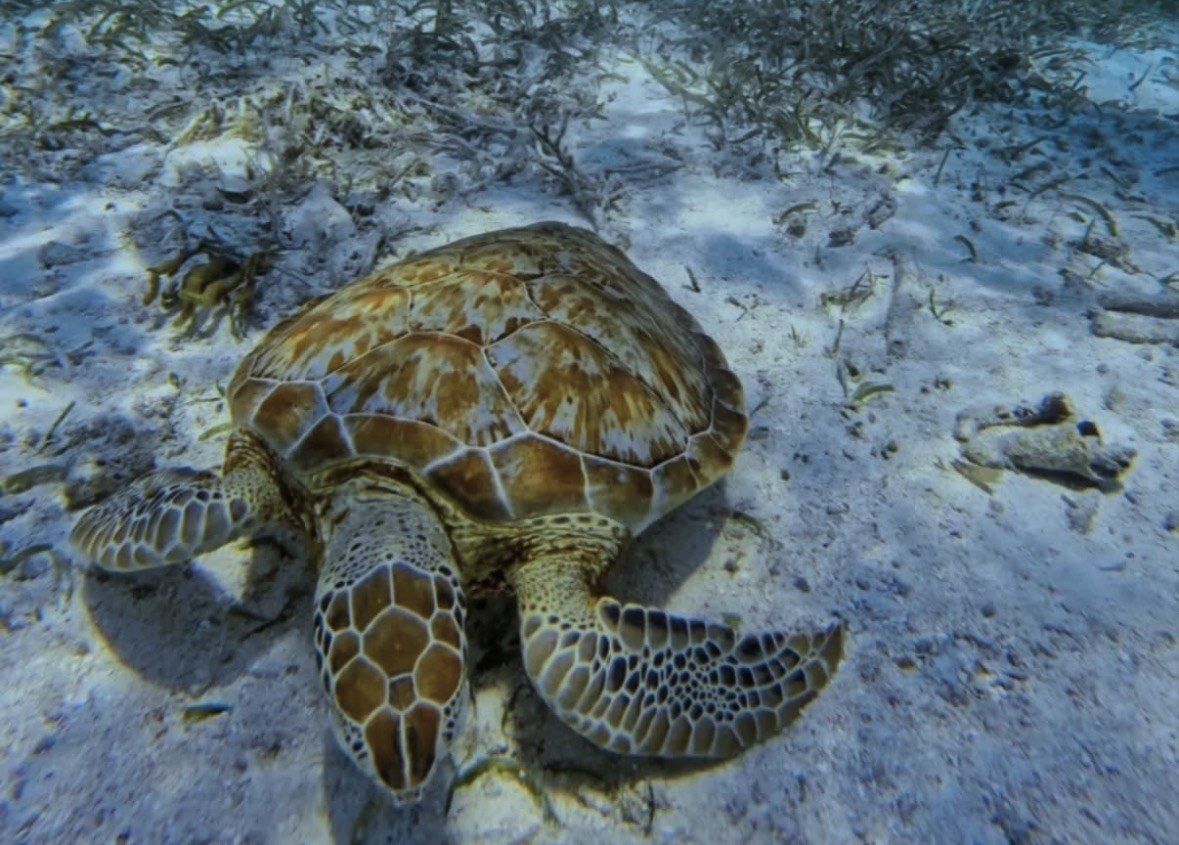
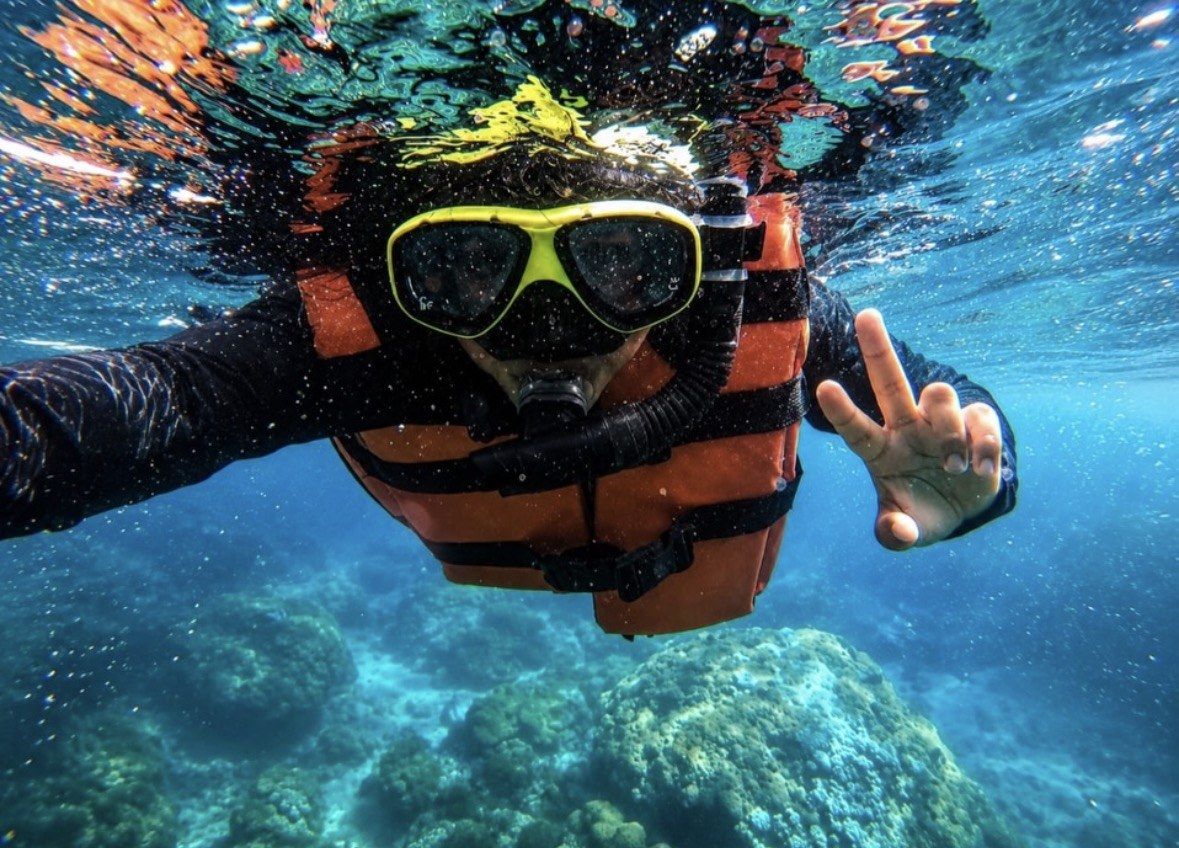
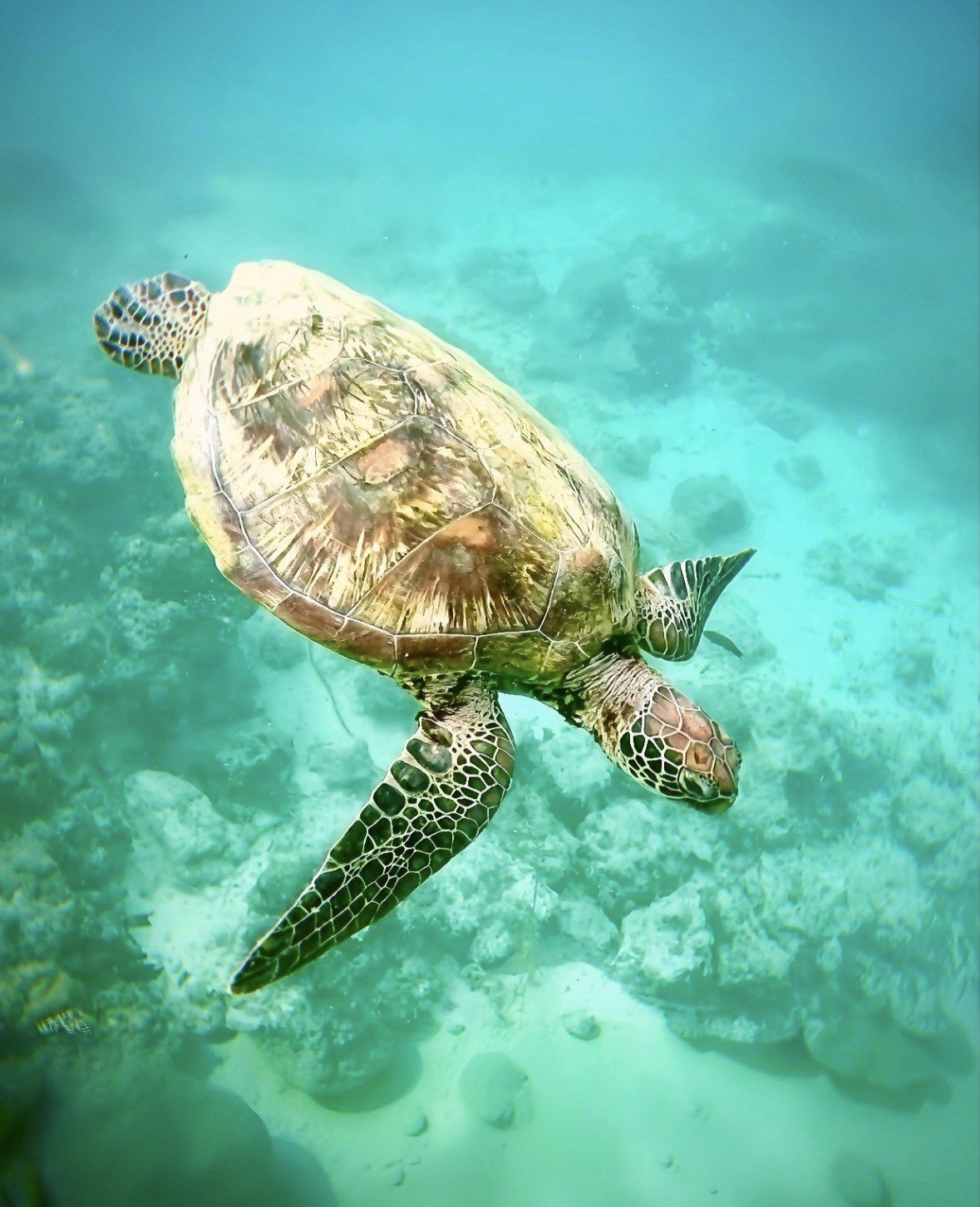
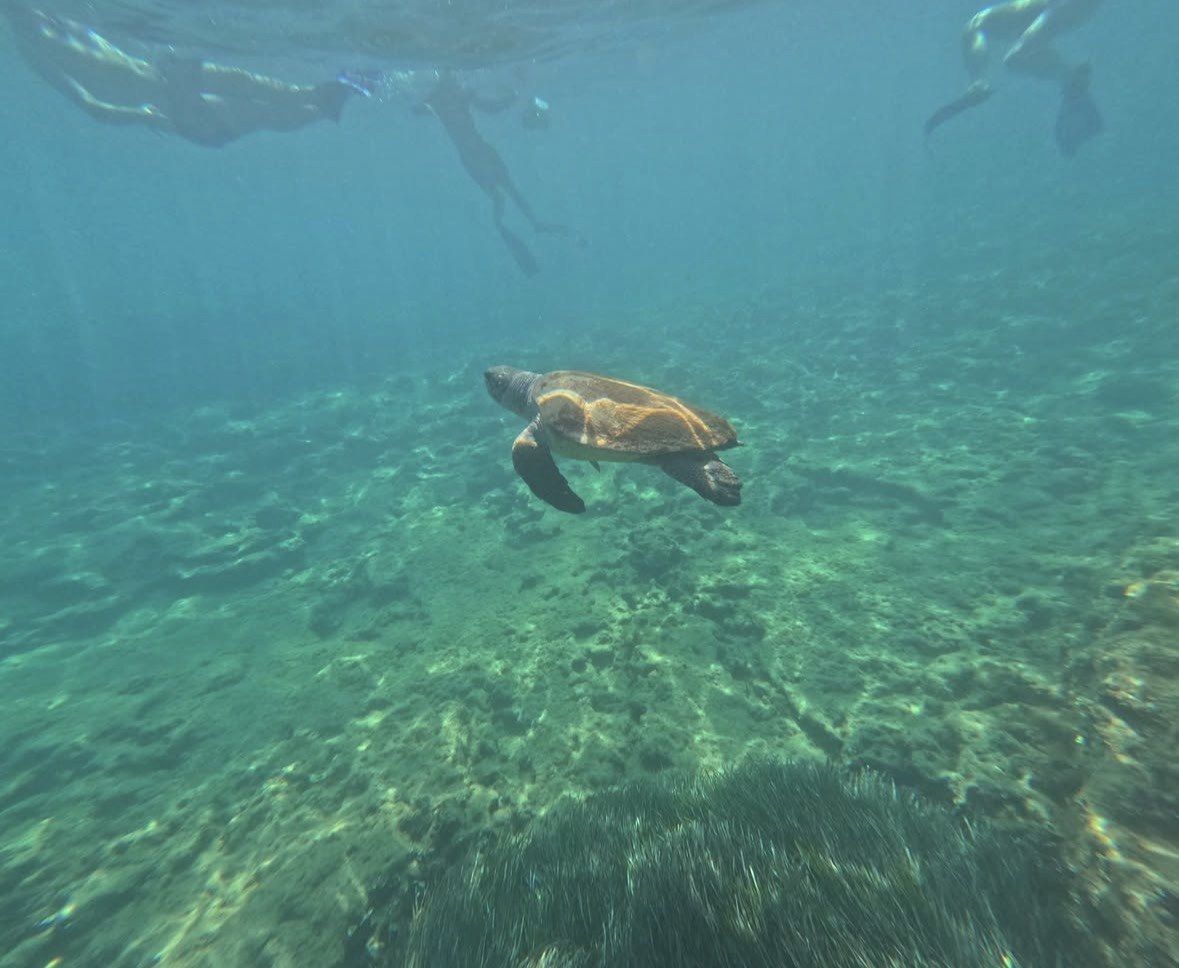
Green turtles feed on Culebra's seagrass beds, and the ferry-based turtle and Flamenco day (10 hours, from $146) includes guided interpretive snorkeling with opportunities to swim with sea turtles. NOAA's marine life viewing guidance asks snorkelers to stay at least 50 yards from sea turtles in the water, and touching, riding or petting them is not permitted. All of Culebra's seagrass beds are designated critical habitat and legally protected, so standing on them or dragging fins through them is prohibited. Guides on the listed trips brief you on this before you get in, which is the practical reason to go with one.
Book the "Full-Day Snorkeling Tour to Culebra Island with Lunch", 7 hours from $168 and the highest-rated non-charter option here at 4.8 from 384 reviews. The crew includes a USCG-licensed captain, a professional snorkel guide and a Certified Interpretive Marine Biologist, and the day covers ecological interpretation about the surroundings, marine life and the history of Culebra, plus lunch, snacks, beverages, all fees and taxes, gear and use of paddle boards. Check-in and waiver signing require arriving 45 minutes early, and the building may be closed when you pull up, so wait in the car for the crew. Cancel at least 24 hours before departure for a full refund.
Take the "Culebra Snorkel and Beach Day with Lunch and Drinks", 7 hours from $162, rating 4.6 from 430 reviews, and request the dietary option in advance by phone. The standard spread is a deli buffet where you build your own sandwich, vegetarian pasta salad, a fruit platter, chips and cookies, with bottled water, rum drinks, piña colada and soft drinks; vegan or gluten-free options cost $6 per person extra. A $3 marine fee is payable in cash at check-in and gratuities are not included. Check in at the dive shop suite before boarding, where parking is available.
No. Vehicles are loaded only if they belong to a Vieques or Culebra resident, and vehicle tickets are sold only at port windows. Drivers park at the Ceiba terminal, where the secure lot runs about $15 per day with a shuttle running continuously to the gate; passenger fares are $2.25 one way for adults 13 to 59 and $1.00 for children 4 to 12 and adults 60 to 74, with coolers and bicycles $2.00 each per trip. On the island itself there are PR-250, PR-251, PR-252 and PR-253, públicos and taxis, with shared taxis from the ferry dock to Flamenco about $5 per person each way, and jeep or golf-cart rental for the hills.
December to March is the local dive and snorkel high season, with May to October slower, so winter dates need booking further ahead. The Atlantic hurricane season officially runs 1 June to 30 November and peaks climatologically on 10 September, the stretch when ferries and small-boat trips are most likely to be cancelled. Playa Brava may be closed from April to June for sea turtle nesting, and the Flamenco peninsula and the cays beside it stay closed to the public to protect the sooty tern colonies. All the tours here refund in full if you cancel at least 24 hours before the scheduled departure time, so check availability early and confirm sailing details on the day.
Pick your departure point, Ceiba or a Fajardo marina, and lock in a date.
From Navy gunnery ranges to Puerto Rico's first no-take reserve
Navy control of Culebra land began in 1902, with gunnery and bombing practice from 1939 that stopped in 1975 after four years of local protest. Twenty-four years later, an 18-year community campaign produced the Canal de Luis Peña Natural Reserve, designated on 11 June 1999.