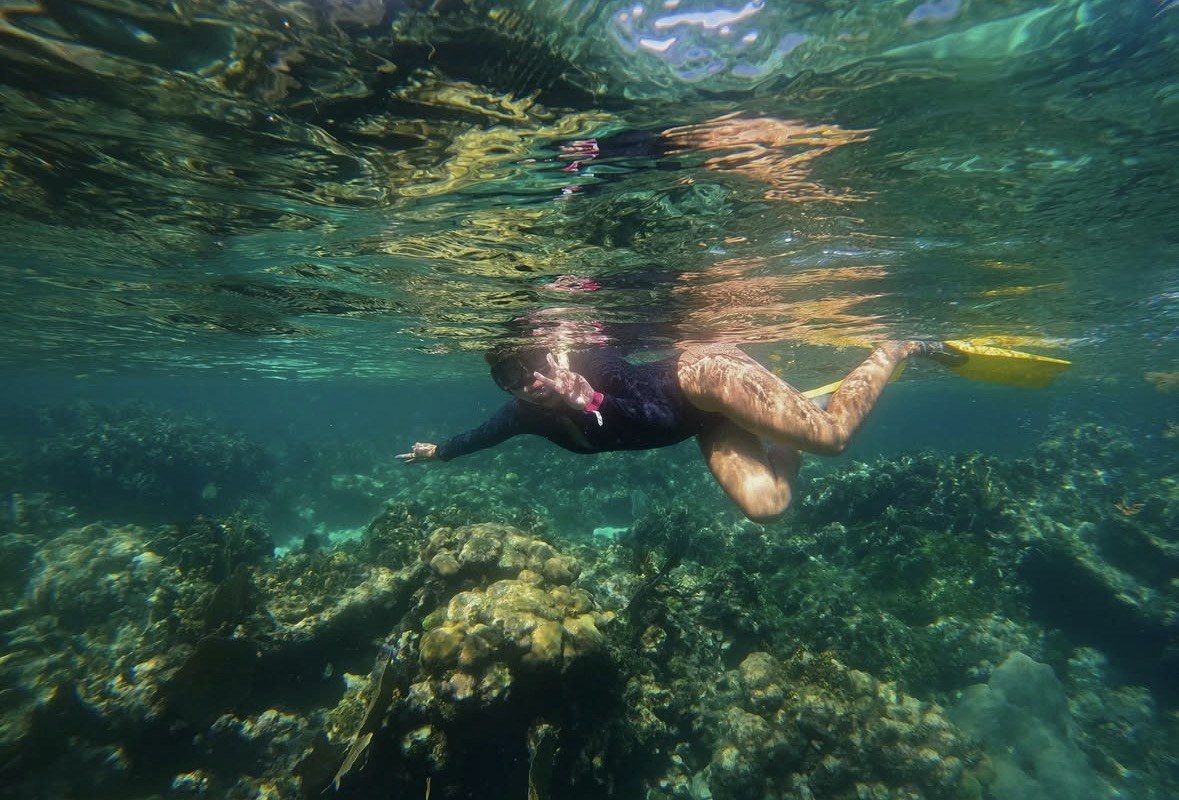
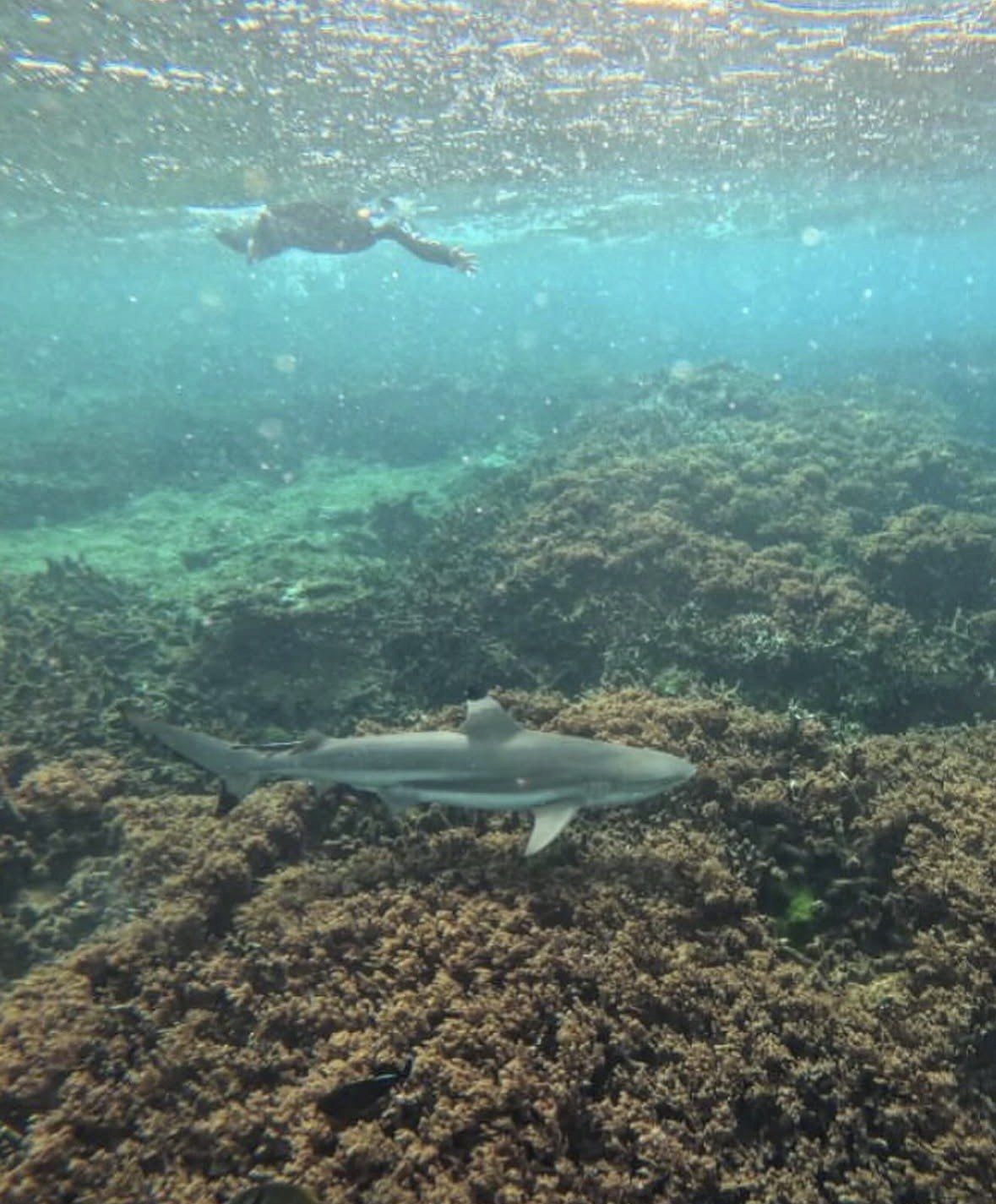
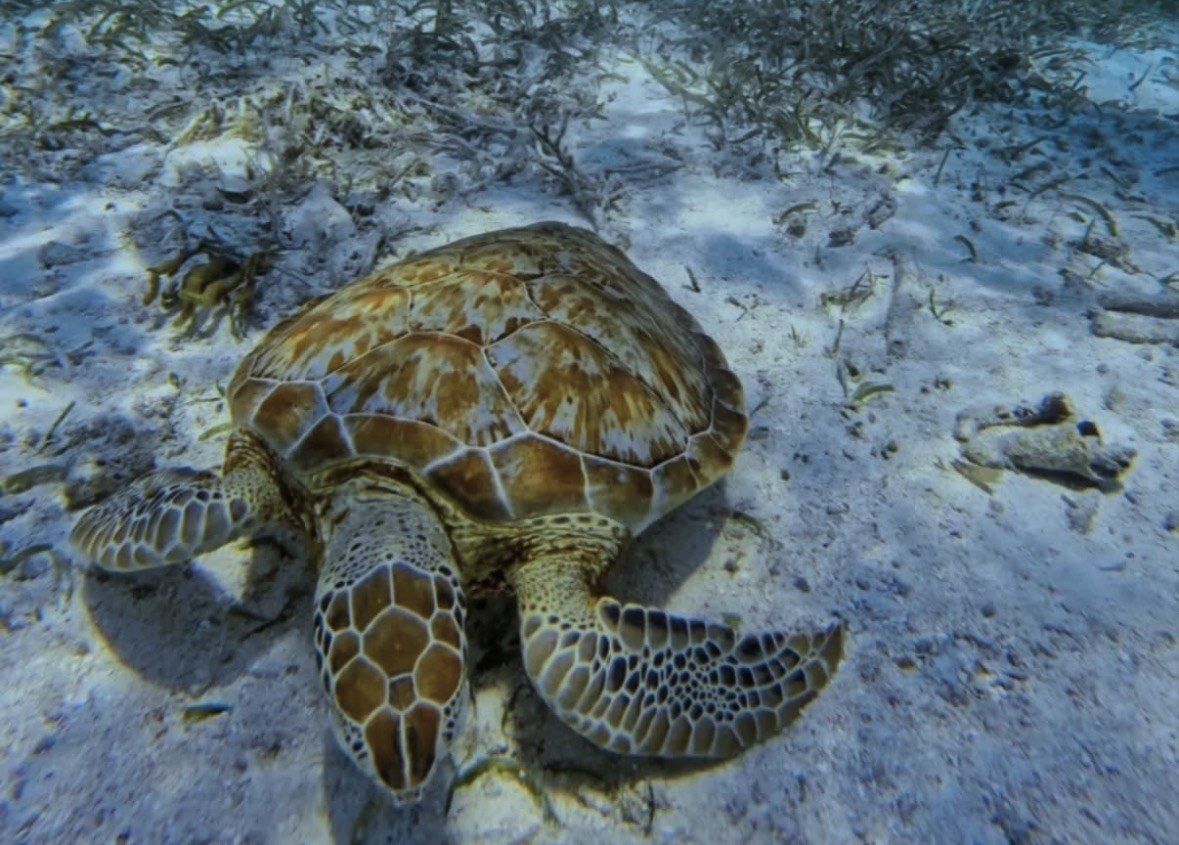
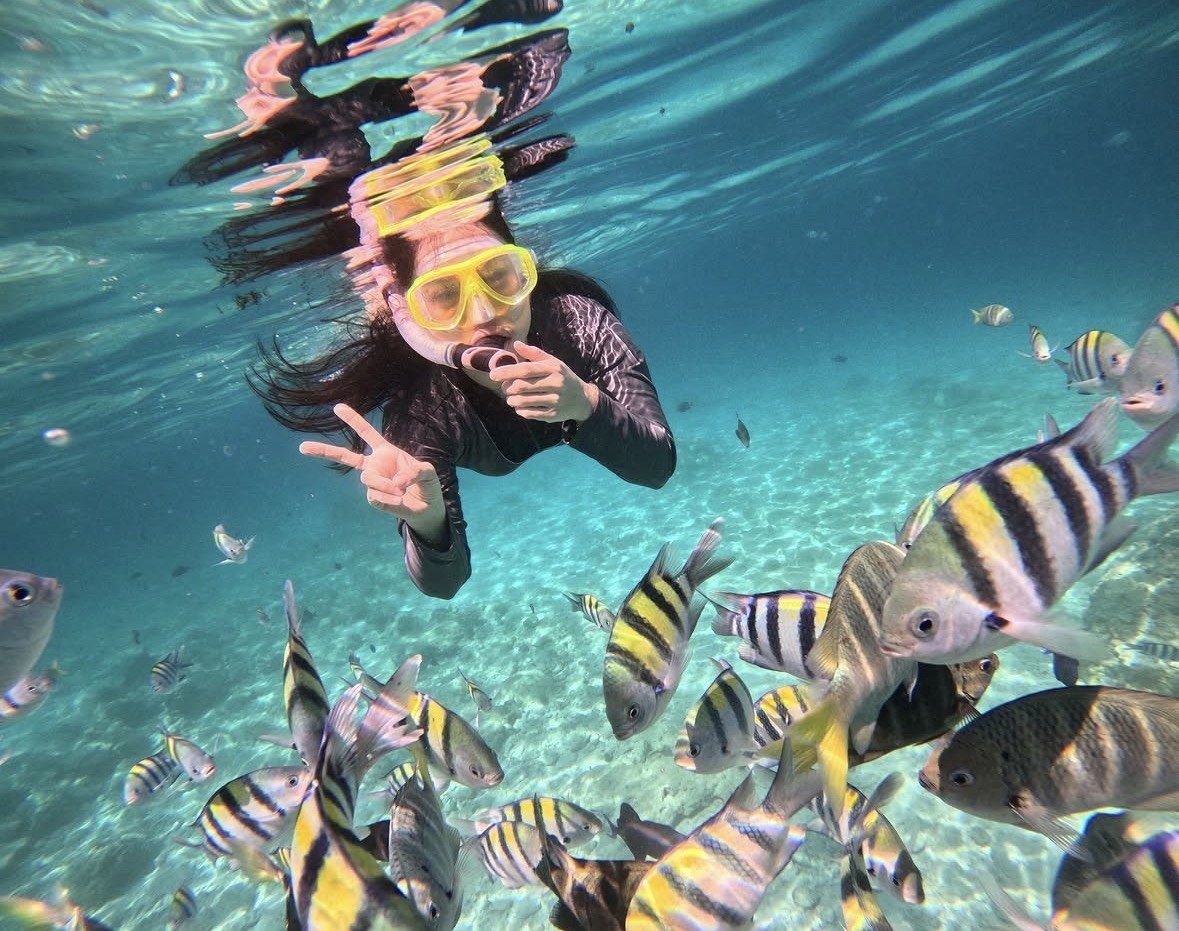
In shortDesignated on 11 June 1999 after an 18-year local campaign, the Luis Peña Channel Natural Reserve (Canal de Luis Peña) covers roughly 4.8 square kilometres (1,208 acres) along Culebra's southwest coast, between the Flamenco Oeste peninsula and Punta de Vapor. No marine protected area in Puerto Rico had been closed to taking before this one. DNER banned fishing inside it that same year, and nothing may be removed.
11 June 1999Reserve designated
1,208 acresRoughly 4.8 km² protected
342 acresCayo Luis Peña refuge land
6:00 AM–6:00 PMRefuge areas and trails
Designated in 1999 after an 18-year campaign
Locals argued for protection here for 18 years before it came. The designation of the Canal de Luis Peña as a natural reserve carries the date 11 June 1999, and that same year Puerto Rico's DNER (DRNA) issued the administrative order closing the channel to fishing. Designation plus that order is what gave Puerto Rico its first no-take marine protected area, and this channel is where it happened.
The protected area covers about 4.8 square kilometres of public-domain land and water, 1,208 acres in total, so the rules bite on a shallow entry off the sand just as hard as on reef a mile out. Flora and fauna inside it are protected from removal by law. The reserve action plan and the full DNER regulation text are not published in a form we could read, so treat whatever sign stands at the entry point as the version that counts on the day.
Nothing legal comes home with you from a no-take area: no shell, no coral fragment, no fish, nothing lifted off the bottom, alive or dead. Photographs are the souvenir.
The leeward stretch between Flamenco Oeste and Punta de Vapor
The reserve is described as following Culebra's southwest coast, from the Flamenco Oeste peninsula at the north end down to Punta de Vapor in the south. Everything in that stretch lies on the island's lee, so Melones, Tamarindo and Carlos Rosario stay flat and full of fish on mornings when the trade winds are working over the north and east shores. No reachable official map publishes the boundary coordinates, so be sceptical of anyone who tells you exactly where the line sits offshore.
Wind builds through the morning. Only these southwest-facing coves hold their shelter once it does, so be in the water before 10 AM; at two in the afternoon the same cove is a different place from the one in the photographs.
The three main entries along the stretch each give you something different:
- Melones: rocky shore with subtropical forest behind it, reached on PR-252 from the pier and then the municipal road, and within walking distance of Dewey.
- Tamarindo: a signed turn off PR-251 before the climb to Flamenco, known for soft corals and sea anemones, with protected seagrass offshore.
- Carlos Rosario: no road reaches it. Just under a mile on foot from the back left corner of the Flamenco parking lot, 20 to 30 minutes, or you come in by boat, kayak or water taxi. No facilities, no lifeguards, and the current runs strong in places.
- Staffing: Melones, Tamarindo, Carlos Rosario, Punta Soldado and Zoni are all unwatched water. Lifeguards are posted at one snorkel beach on Culebra, and that is Flamenco.
Cayo Luis Peña, the cay that does the sheltering
Cayo Luis Peña sits off this coast as about 342 acres of federal refuge land, and it is the reason the channel behind it stays flat. Swell out of the west breaks on the cay first. What reaches Tamarindo and Carlos Rosario is what is left of it.
You reach the cay only by hull: boat, kayak or water taxi. It is one of the publicly accessible parts of the refuge, along with Culebrita, and it works as a birding stop as well as a snorkel stop. Nothing is sold or provided on the cays, so water, sunscreen, snacks, a towel and a hat go in the bag before you leave Dewey.
Water taxis to Cayo Luis Peña run on timings you agree when you book, unlike the fixed Culebrita windows. One Culebra operator lists the day at $55.00 per person and $30.00 for children under 10, with beach chairs, an umbrella, snorkel gear and a paddle board included, plus courtesy pick-up from the airport, the ferry terminal or your lodging; that booking is refundable only with 48 hours' notice. A snorkel boat day listed on this site covers the crossing and the gear in one reservation.
Six hours on the water, 8:00am start
The 8:00am meeting puts you over the leeward reefs before the trade winds build. Snorkel gear, drinks and a light lunch are already covered, from $168, rated 4.7 from 1083 reviews.
★ 4.7/5 · 1,083 reviews
Rules inside the Luis Peña Channel Natural Reserve
Read the list once before your first entry and the rules stop being something you have to think about in the water. There are six of them.
Two catch visitors out more than the rest. Someone stands up to clear a mask and plants both feet on turtle grass; someone else steadies a hand on what looks like dead rock. Stay floating, sort your gear out on the surface, and keep your fins behind you over shallow bottom.
| Rule | What it means in the water |
|---|
| Nothing may be collected | Flora and fauna are protected from removal by law: shells, coral and fish all stay where they are |
|---|
| No fishing | A DNER administrative order closed the channel to fishing in the year of designation |
|---|
| No contact with coral | The guidance for these reefs sets the bar at zero contact; a hand, a foot or a fin resting on coral for a moment is enough to injure it |
|---|
| Keep off the seagrass | Every seagrass bed around Culebra carries critical habitat status for endangered species, which makes standing on one or dragging fins across it off limits |
|---|
| Boats on mooring buoys | Vessels visiting the reefs are asked to tie to a buoy rather than anchor, and to slow down near shore and over the shallows |
|---|
| Distance from turtles | NOAA's viewing guidance for U.S. waters puts the minimum at 50 yards from a sea turtle in the water, with no touching, riding or petting |
|---|
The federal refuge layer and its hours
A second layer of protection overlaps the reserve on land and on the cays. The refuge itself dates to Executive Order 1042, signed on 27 February 1909, which made Culebra the Caribbean's first federal wildlife reserve set aside for native birds; the holding now runs to 1,510 acres and takes in 21 offshore cays scattered around the main island. Cayo Luis Peña is part of it.
Land access runs 6:00 AM to 6:00 PM, every day of the week, for public areas and hiking trails alike. That window governs the walk over to Carlos Rosario and any trail time you tack onto a Melones or Tamarindo morning. A 6:00 AM opening makes a genuinely early start legal; a late lunch followed by the hike does not work.
Snorkeling appears by name on the Fish and Wildlife Service's own list of what the refuge is open for. The rest of the list is worth knowing when the sea is too rough to be in the water and a day needs filling:
- Hiking
- Birding
- Wildlife watching
- Photography
- Running
Choosing a snorkel trip for the reserve coast and the cay
Pick the trip around how you are arriving and how many of you there are. Gear comes with all of the trips listed here, and the cancellation terms are identical across them: a full refund if you cancel at least 24 hours before the scheduled departure time.
Coming over for a single day on the water, the Culebra Snorkeling and Beach Day Tour All Inclusive is the 6-hour option, from $168, with 1083 reviews averaging 4.7. Meeting time is 8:00am at the gray gazebo with the orange roof in front of the parking lot, and that is the detail that makes the trip work on this coast: the boat has you over reef while the leeward side is still glassy. Food and drink run to non-alcoholic drinks, rum drinks and a light lunch of cold-cut sandwiches, fresh fruit, chips and dips, all included in the price. Gratuities are not.
Staying near Fajardo and wanting a bigger boat with a proper lunch, take the Culebra Snorkeling Tour by Catamaran from Fajardo: 6 hours from $180, rated 4.6 from 2722 reviews, with lunch plus sodas, juices, water and local beer on board. If you are driving yourself, check-in is at Puerto del Rey Marina 45 minutes ahead of the sailing, and the parking there sits a short walk from where the boat leaves. Hotel pickup and drop-off are not included.
A group or a family who want the boat to themselves should look at the Full Day Charter from Fajardo to Culebra, 7.5 hours from $1292 for the whole vessel and rated 5.0 from 158 reviews. That figure buys a pork or chicken BBQ with pasta salad and sweet bread, half a gallon of rum, a box of Medalla Puerto Rican beer, sodas, bottled water, fruit, chips, snorkel gear and the parking fees. Private transportation and gratuities sit outside it. Departure is from Sunbay Marina: be there 20 minutes early, give the guard your full name and reservation number, then park beyond Pier A and walk to the first gazebo next to the marina office.
Book winter dates well ahead. The island's dive and snorkel high season covers December through March. May to October thins out and books more easily, though it falls inside the Atlantic hurricane season, which opens 1 June, closes 30 November and reaches its climatological peak on 10 September.
Questions people ask
Do independent snorkelers pay a Luis Peña reserve fee?
No such fee for independent snorkelers is published anywhere we could confirm. What is confirmed is that commercial operators build one in: the Dewey dive shop lists the Luis Peña Nature Reserve fee inside its $75 per person boat price. Carry a few small bills on any island boat day in case a fee is collected at check-in.
Is it legal to pick up shells or coral in the Luis Peña Channel?
No. The channel is a no-take marine protected area and its flora and fauna are protected from removal by law, which covers shells, coral and fish alike. Photograph it and leave it on the bottom. Contact falls under the same logic: guidance for these reefs is that even a light brush from a hand, foot or fin does damage.
What distance should I keep from turtles inside the reserve?
The figure in NOAA's marine life viewing guidance for U.S. waters is 50 yards, held between you and the animal. That guidance also rules out touching a turtle, riding one, petting it or angling for any other interaction. The seagrass they feed on is designated critical habitat, so do not stand on it while you watch.
Can I visit Cayo Luis Peña on my own?
The cay is one of the publicly accessible parts of Culebra National Wildlife Refuge, but no road and no ferry goes there: access is by boat, kayak or water taxi. There are no facilities or stores on the cays, so bring water, snacks, sunscreen, a towel and a hat. Hours on refuge land, trails included, run from 6:00 AM until 6:00 PM.
Which months give the steadiest conditions on the reserve coast?
Boat space tightens from December through March, the local dive and snorkel high season, and that is when a reservation weeks in advance pays off. Between May and October the island is quieter and space opens up, but those months run across the Atlantic hurricane season, 1 June to 30 November, with 10 September as its climatological peak. If the trip hinges on getting out on a boat, keep clear of early September.
Read also