In shortCome between December and March. That is Culebra's dive and snorkel high season, when conditions hold up for trips week after week and places go early, so book weeks ahead. Shift to May through October and availability loosens, but you are booking inside the Atlantic hurricane season, which opens 1 June, closes 30 November and reaches its climatological peak on 10 September. Keep boat days out of early September.
December–Marchdive and snorkel high season
1 Jun – 30 NovAtlantic hurricane season
10 Septemberclimatological peak
from $146guided ferry snorkel day
The best time to visit Culebra if snorkeling is the point
If the month is still open on your calendar, put it inside the December-to-March block, the stretch the island's dive and snorkel operations label their high season. Those four months are the ones local operations treat as busy: the sea state holds up well enough to run trips week after week, and places go early.
May to October is the slower season for the same operations. Boats and rooms open up, and the trade-off is weather risk, since that stretch overlaps the official Atlantic storm calendar. A flat morning in July snorkels as well as one in January.
Winter is when booking ahead stops being optional. The dive shop in Dewey runs a single boat with a maximum of six snorkelers, takes boat reservations against a credit card and says walk-on space is not guaranteed. Fix your dates first, hold a trip, then arrange rooms and ferry times around it. Holding a date early costs you nothing in flexibility: cancel a trip listed on this site at least 24 hours before its scheduled departure time and the full amount comes back.
Culebra weather by month, as the official calendars have it
Culebra weather by month comes down to two published calendars rather than a rainfall chart. One runs high season December to March and slower season May to October. The other runs 1 June to 30 November, peaking climatologically on 10 September.
April sits between the two, outside the storm window and outside the busiest booking months, which makes it one of the easier months to put together: boats are still running on a winter rhythm while the calendar has loosened. Playa Brava, on the north side, may be closed from April to June for sea turtle nesting, so keep that walk for another part of the year if it matters to you.
Flamenco fills up on summer weekends and holidays. In July and August, aim for weekdays and be in the water early. Refuge public areas and hiking trails are open 6:00 AM to 6:00 PM every day, which frames any beach you have to walk in to.
| Months | What changes | Booking and crossings |
|---|
| December to March | Dive and snorkel high season on the island | Hold boats weeks ahead; this is when places run out |
|---|
| April to June | Playa Brava may be closed for sea turtle nesting | April is outside the storm season, which opens on 1 June |
|---|
| May to October | Slower season for dive and snorkel operations | Easier availability, inside the hurricane season from 1 June |
|---|
| July and August | Flamenco crowded on weekends and holidays | Swim early, use the leeward beaches on busy days |
|---|
| Around 10 September | Climatological peak of the Atlantic season | Highest chance of ferries and small boats being called off |
|---|
| Late October and November | Quiet end of the slow season | Storm season runs to 30 November; check the dated official itinerary |
|---|
6-hour all-inclusive snorkel and beach day
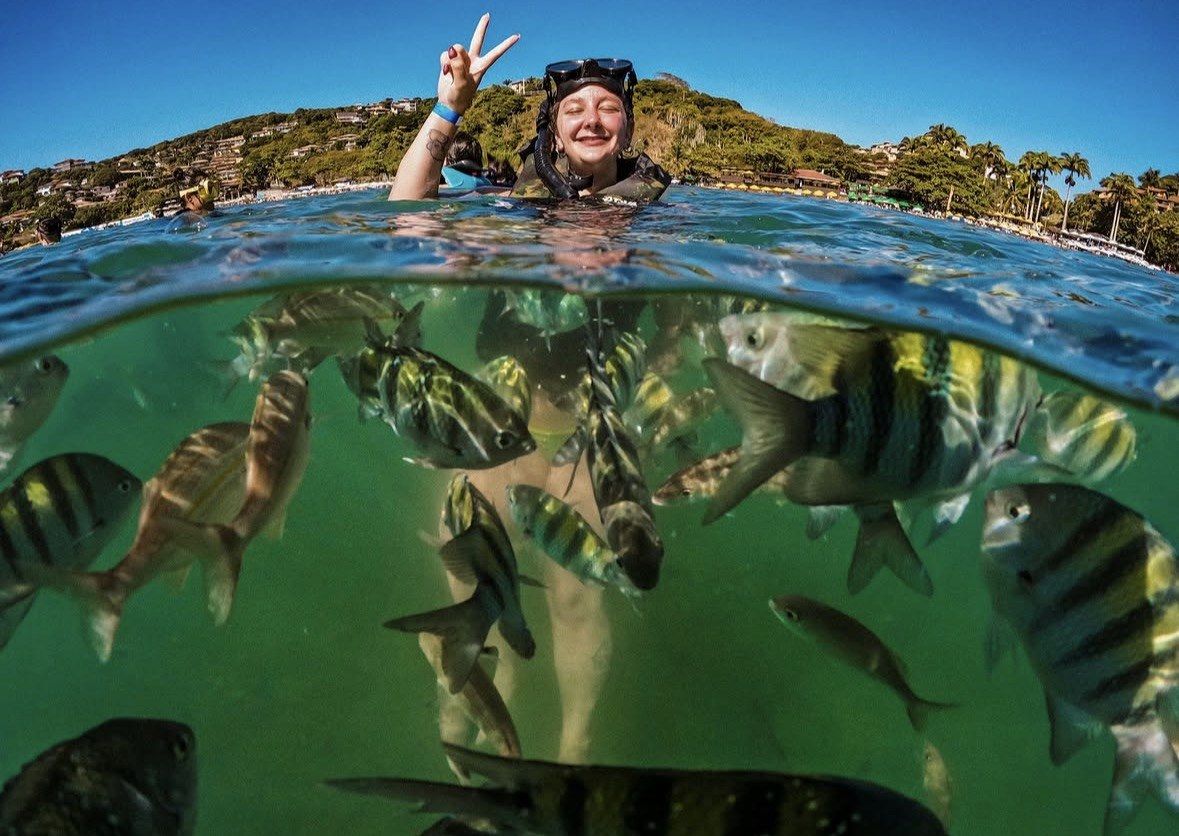
An 8:00am meeting time puts you over reef while the leeward coast is still flat, in any month, with snorkel gear, drinks and a light lunch included for 6 hours from $168.
★ 4.7/5 · 1,083 reviews
Why the trade winds leave the southwest coast workable
The wind here comes out of the east most of the year and pushes swell onto the north and east shores. Playa Zoni, where PR-250 dead-ends in the east with a view across to Culebrita, Cayo Norte and St Thomas, is the beach that feels a windy week first. Round on the leeward side, the Canal de Luis Peña Natural Reserve occupies the coast from the Flamenco Oeste peninsula down to Punta de Vapor, and that is the reason Melones, Tamarindo and Carlos Rosario stay calm on days the eastern shore does not.
Cayo Luis Peña, about 342 acres of refuge land, sits offshore of those beaches and breaks up what does arrive. That shelter is why a windy week does not cancel your snorkeling: you move round to the leeward side instead of waiting out the wind.
Trade winds build through the day, so the same cove is a different swim at 8 AM and at 2 PM. Get in before 10 AM. The reserve was designated on 11 June 1999, covers roughly 4.8 square kilometres (1,208 acres) and is the first no-take marine protected area in Puerto Rico, with seagrass beds designated as critical habitat; the reserve page on this site covers what that means for where you put your fins.
Visibility, water temperature and how busy it gets
No official month-by-month table of water visibility, temperature or swell is published for Culebra's leeward coast, so any monthly figure you find is somebody's estimate. The mechanism is what you can plan around: visibility on these beaches tracks the wind and the sand stirred into the water that day, which is why the sheltered southwest coves read clearer than the exposed shore in the same hour.
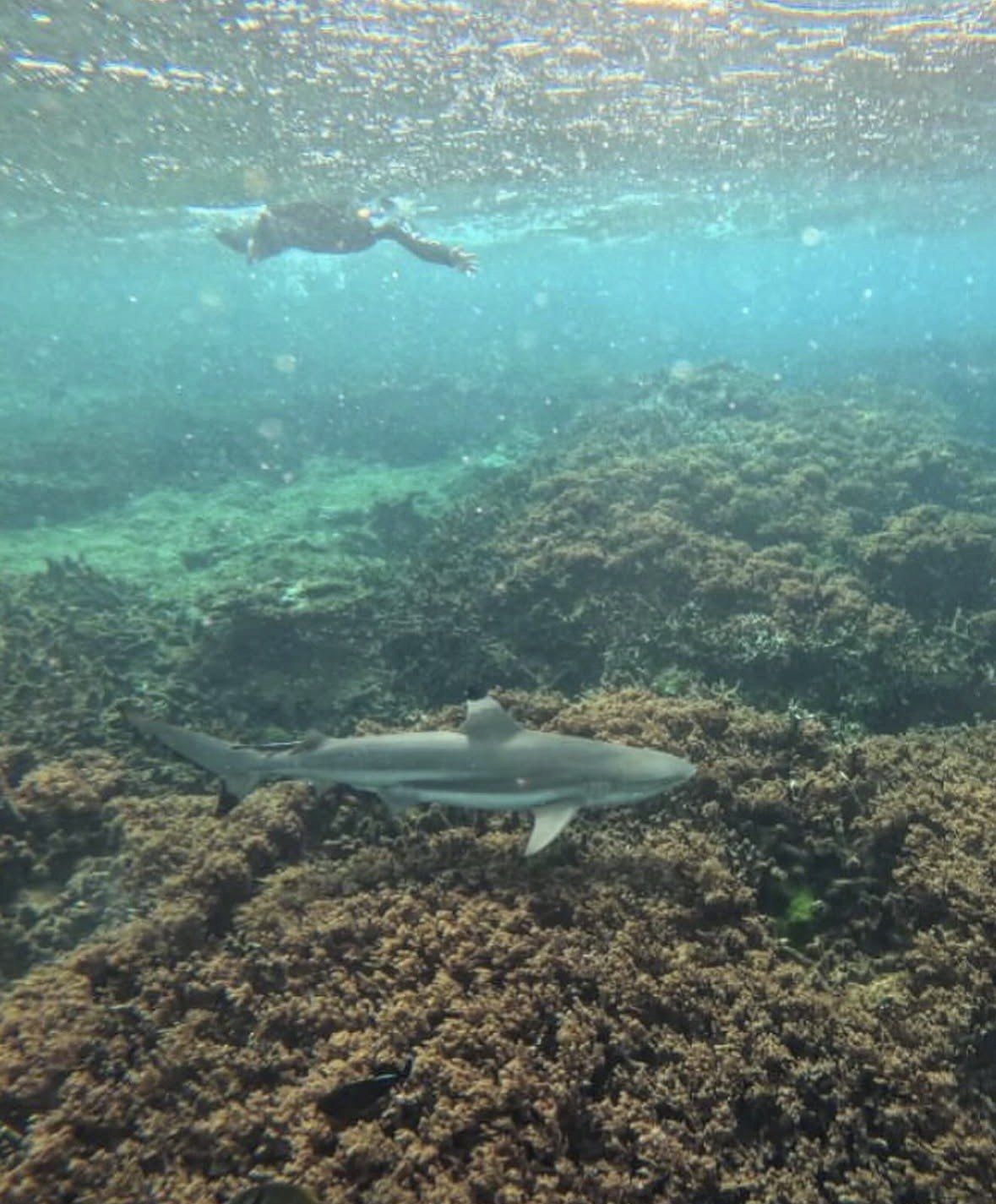
Part of keeping that water clear falls to the swimmers. Fins dragged through seagrass, or feet planted in it, are prohibited here, and the guidance on coral is that a hand, foot or fin damages it at the lightest touch. Skippers are asked to pick up a mooring buoy instead of dropping an anchor, and to come off the throttle near shore and over the shallows.
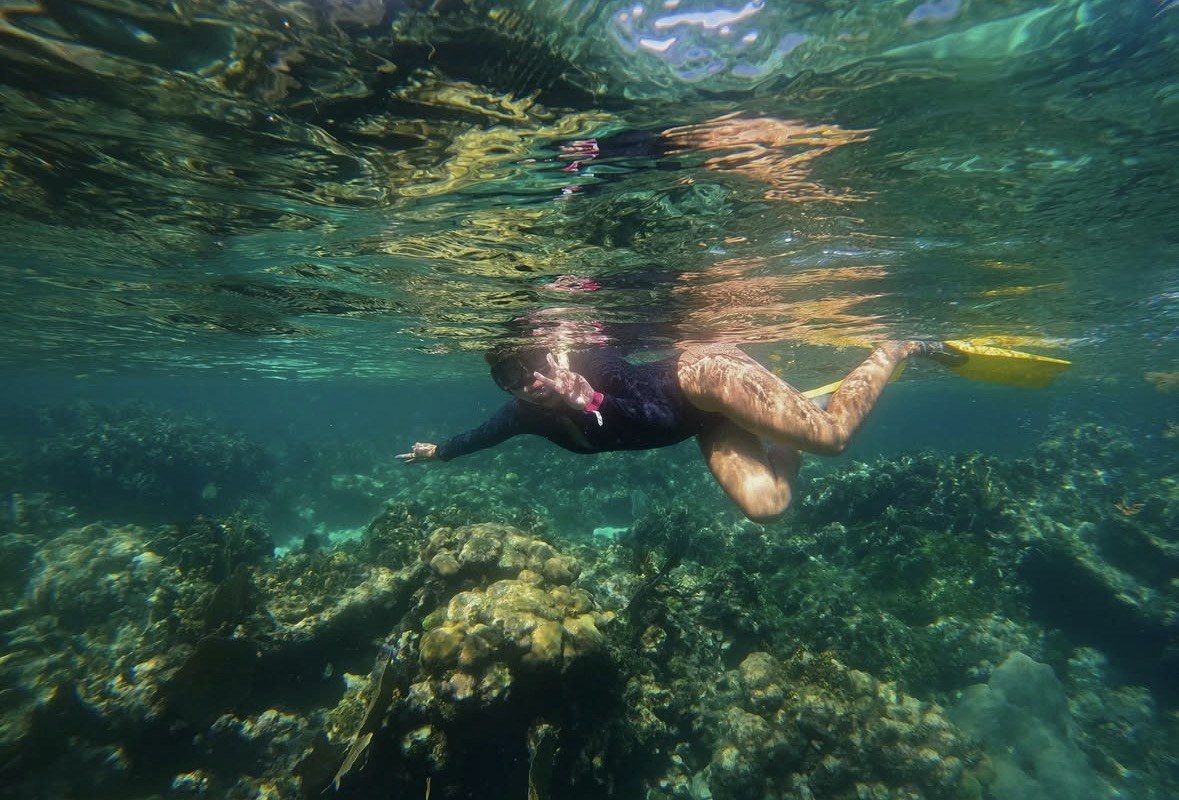
Water temperature is the other number people hunt for and cannot verify from a primary source for Culebra. One useful signal: the island shop's gear package lists a wetsuit and/or flotation device alongside mask, fins and snorkel, so a thin layer is worth packing if you chill quickly on a winter morning. On the booked trips listed here the gear question is already settled, since snorkel equipment comes with the boat.
Crowding splits by place more than by month. Flamenco is the one that fills on summer weekends and holidays, and it is also the only Culebra snorkel beach with lifeguards, so it draws families; Melones, Tamarindo, Carlos Rosario, Punta Soldado and Zoni have none. December to March is busy in the booking calendar rather than on the sand.
What a storm-season day does to crossings and small boats
Officially the Atlantic season opens on 1 June and closes on 30 November, with 10 September its climatological high point. Your snorkel day hangs on two links, the crossing and a small boat, and both are most likely to be stopped inside that window. Leave out the first half of September if a boat day is the reason for the trip.
Cancellation terms matter far more in those months than in February. According to the island dive shop, a booked trip may go uncharged when weather or sea conditions cancel the ferry or flight that was meant to bring you over. Cancel one of the snorkel trips listed here at least 24 hours ahead of its scheduled departure time and you get all of it back. The public ferry gives you less room: those tickets carry no refund, and a transfer is allowed twice at most, requested no later than an hour before departure.
Departure times exist only inside a dated official itinerary, and the edition in circulation spans 1 August to 30 November 2026. Read the current version close to your travel date rather than a time you wrote down months ago. Flights are the quicker way in when they are running, with most island hops under 25 minutes.
Which month to come, and how early to secure a snorkel trip
Target December to March for the most dependable sea state, and treat the booking as the first thing you do once your travel dates are set. May and June, or late October into November, buy you easier availability at the cost of sitting inside the storm season.
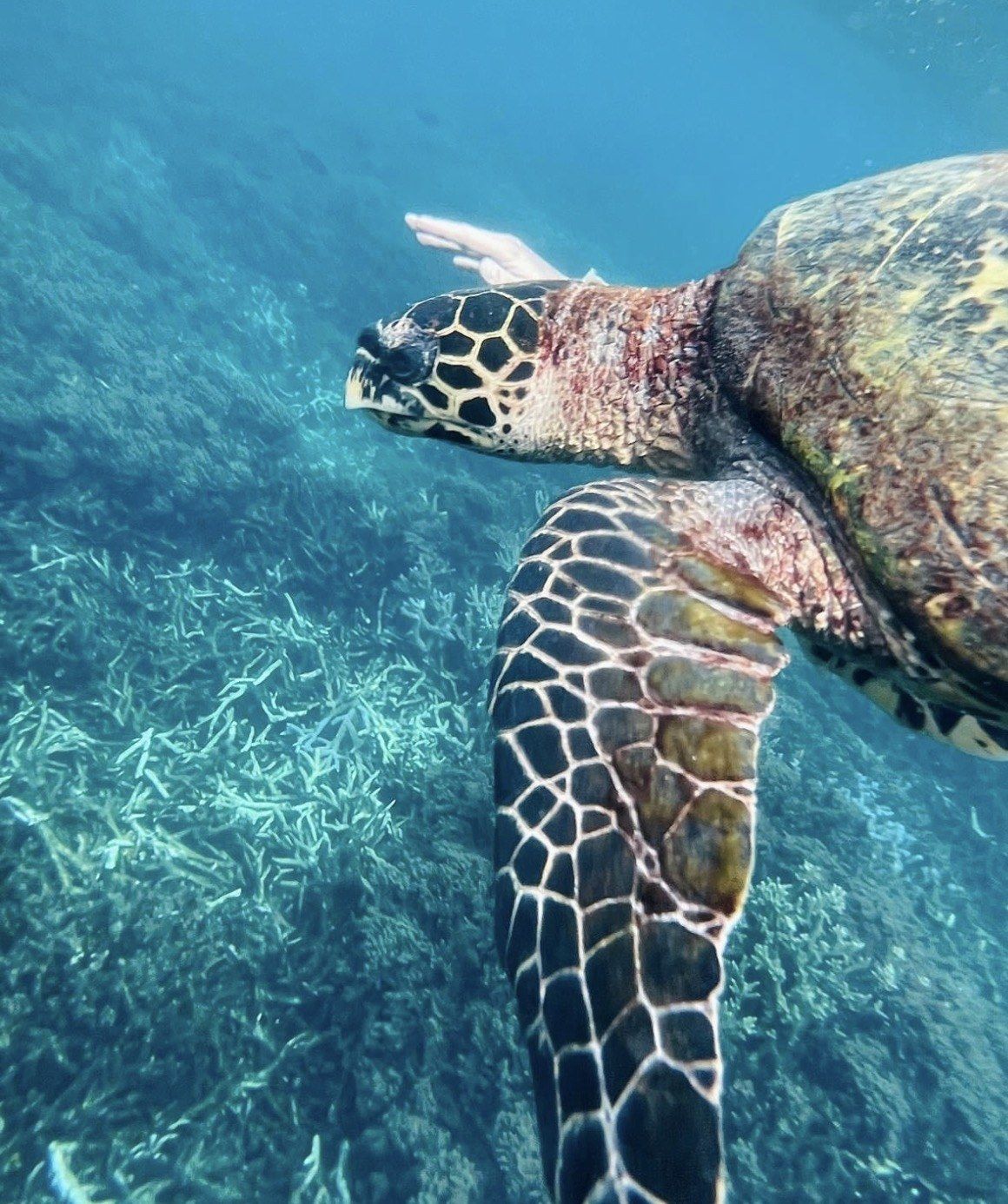
Stay at least one night on the island if your plans allow it. The morning before the day's first arrivals is the calmest and emptiest water you will get on the leeward coast. With no car on the mainland and one set of dates to make work, the 10-hour ferry-based trip listed here, from $146 and rated 4.7 from 1529 reviews, puts the round-trip crossing, transport on the island, gear and guided snorkeling with opportunities to swim with sea turtles under a single reservation. If you want an early start with food and drinks handled on board, take the 6-hour all-inclusive beach and snorkel day, from $168, rated 4.7 from 1083 reviews, which meets at 8:00am.
- December to March: best sea state, busiest calendar. Hold a boat weeks ahead.
- April: outside the storm season and outside peak booking, though Playa Brava may be closed from April for nesting.
- May and June: slower-season availability, with the storm season only just open on 1 June.
- July and August: workable, but Flamenco is crowded at weekends and holidays. Swim before 10 AM.
- First half of September: avoid it if the trip hinges on boats; the climatological peak falls on 10 September.
- Late October and November: quiet, with the season running to 30 November. Book a trip that refunds in full 24 hours out.
Questions people ask
Is September a bad month to snorkel Culebra?
10 September is the climatological peak of the Atlantic hurricane season, and the days around it are when a ferry or a small-boat trip is most likely to be called off. Pick another fortnight if a boat day is the point of your trip. If the dates cannot move, choose a trip whose terms give the whole amount back on a cancellation made at least 24 hours before the scheduled departure time.
How far ahead should I book for December to March?
Several weeks ahead. Those months are the island's dive and snorkel high season, and the local shop's boat carries a maximum of six snorkelers, with reservations held against a credit card and no guarantee of walk-on space. Book the tour before you book anything else on the island, since the full refund window closes 24 hours before departure.
Are any Culebra beaches or cays closed at certain times of year?
Playa Brava, reached by hiking down from PR-250 east of town, may be closed from April to June for sea turtle nesting. No season applies to the Flamenco peninsula or the cays next to it: both stay shut to the public, which is how the sooty tern colonies nesting there are protected. Anything inside the refuge that is open to visitors keeps the same daily window, 6:00 AM to 6:00 PM.
What time of day gives the clearest water?
Early. The trade winds build through the day, so the southwest coves at Melones and Tamarindo are calmest in the first hours after sunrise, and refuge land access opens at 6:00 AM. Keep an afternoon slot for a second session rather than your only one.
Can I check ferry times months before I travel?
Only against the itinerary currently published, which is a dated document; the edition in circulation covers 1 August to 30 November 2026, and schedules change several times a year. Check the operator's current version close to your date. Whatever time you end up with, plan to be standing in the Ceiba terminal an hour ahead of it, since boarding shuts 10 minutes before the sailing and the ticket carries no refund.
Read also