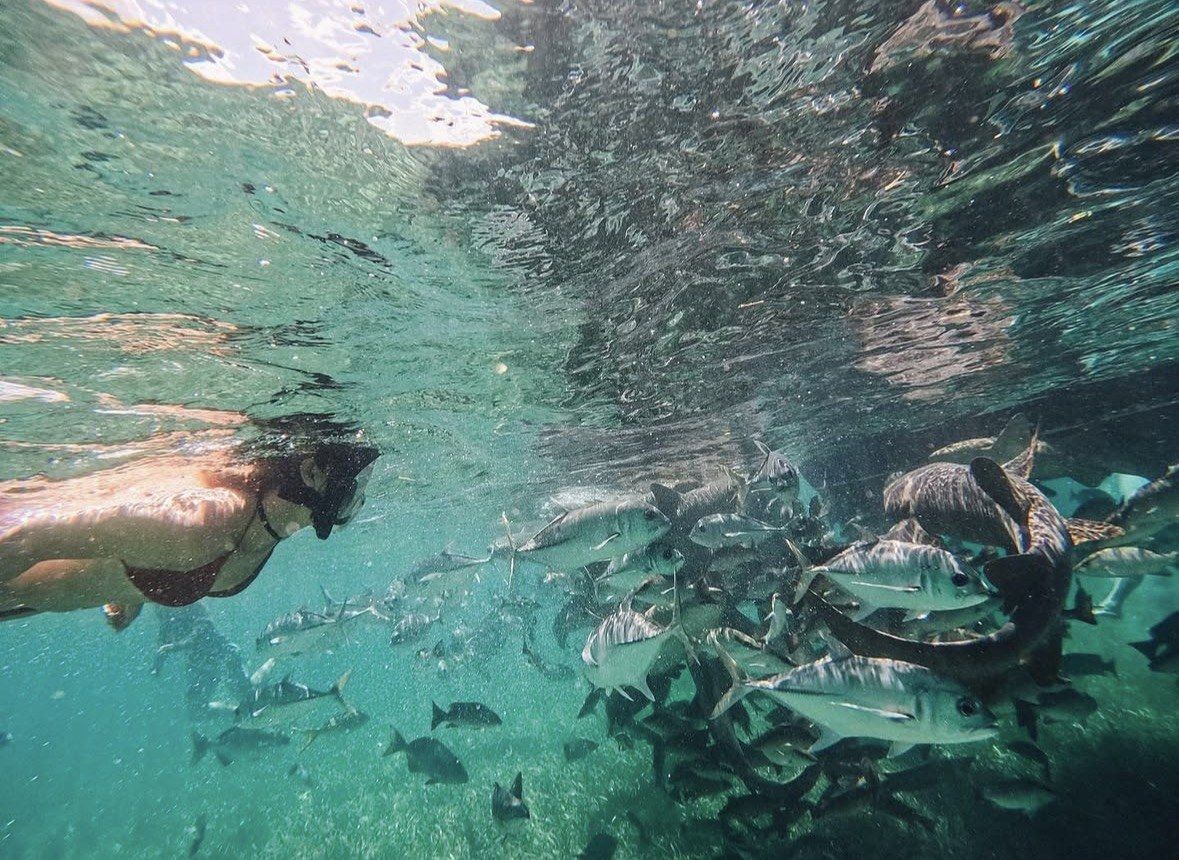
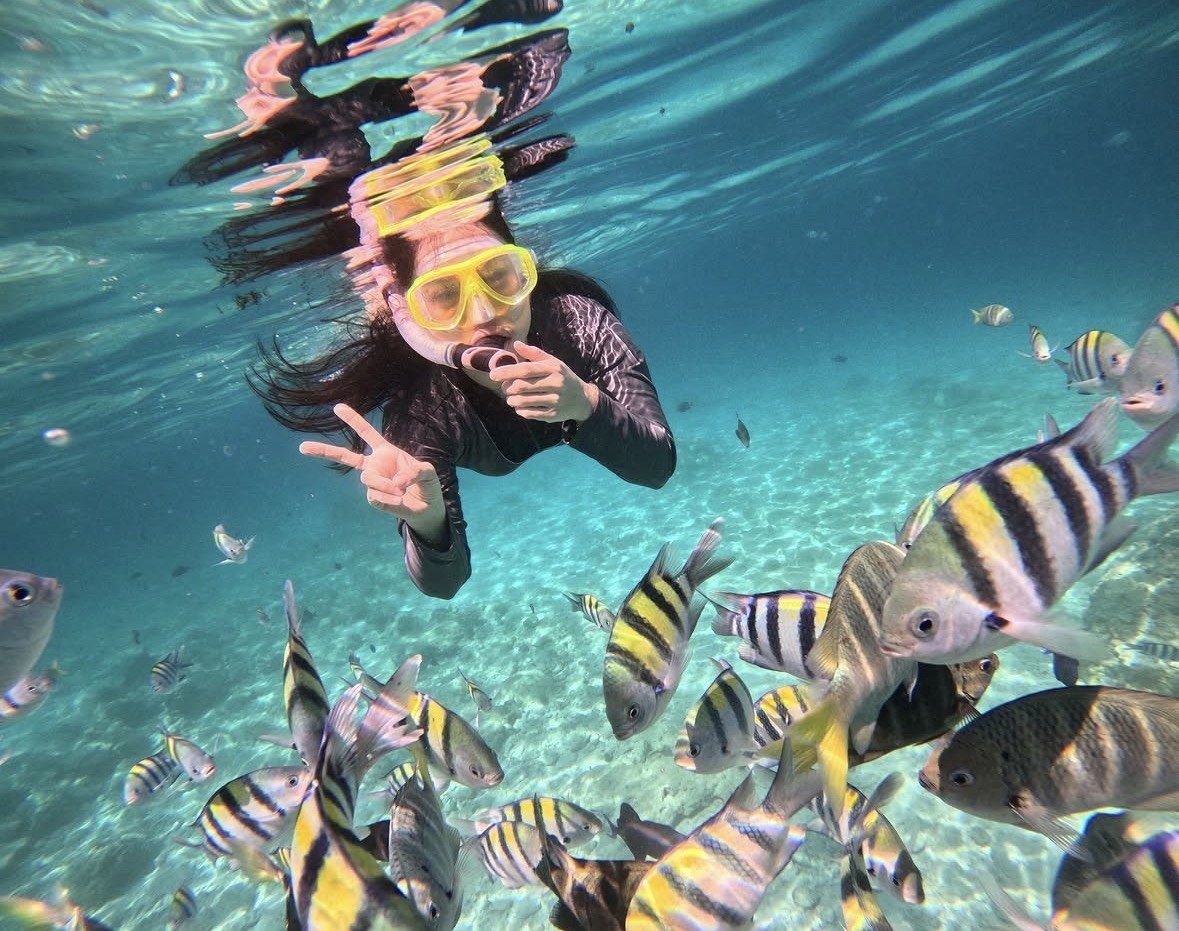
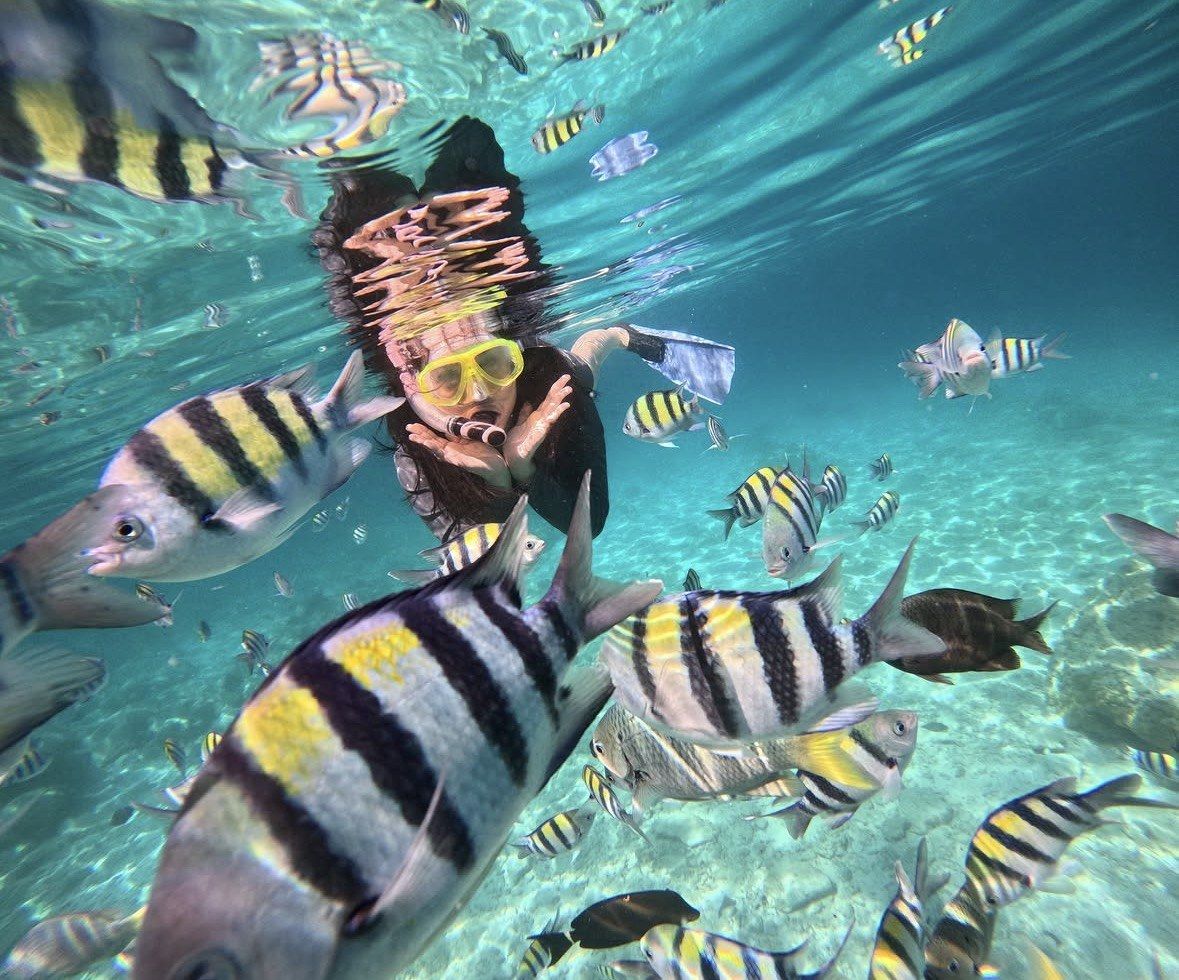
In shortThe calm snorkel beaches sit on Culebra's southwest, leeward coast: Melones, Tamarindo and Carlos Rosario, all inside the Canal de Luis Peña Natural Reserve. Flamenco is the mile-long north-facing horseshoe with facilities and the island's only snorkel-beach lifeguards, plus a reef confined to its east end. Culebrita and Cayo Luis Peña, boat-only, hold the reef that shore entries cannot reach.
6:00 AM – 6:00 PMRefuge trails and public areas
1,208 acresNo-take marine reserve
$5 + $2Flamenco parking and entry
from $168Boat snorkel day
The beach shortlist starts on the leeward southwest shore
Culebra's marine reserve follows the leeward shoreline, running from the Flamenco Oeste peninsula down to Punta de Vapor. That stretch of coast faces away from the trade winds, which is the single reason Melones, Tamarindo and Carlos Rosario are the beaches people actually snorkel, while the north and east shores get the chop. Offshore of all three sits Cayo Luis Peña, about 342 acres of federal refuge land, which takes the swell before it arrives.
Every beach on that shortlist falls inside a reserve designated on 11 June 1999, the end point of an 18-year local campaign, and its roughly 4.8 square kilometres (1,208 acres) made it the first no-take marine protected area in Puerto Rico. Nothing comes out of it: no shells, no coral, no fish, and DNER banned fishing inside the channel the same year. The seagrass beds you will swim over at Melones and Tamarindo are designated critical habitat, so standing on them or dragging fins through them is prohibited.
Plan the water time for the morning. The wind builds through the day here and only the southwest-facing coves stay protected, so a session that starts before 10 AM on the leeward side gets you flat water, while the same beach at 2 PM is chopped up. Refuge land and trails open at 6:00 AM, which makes an early start possible on the walk-in beaches as well.
Reef beyond the sand, 6 hours from $168
The leeward reefs that no road reaches are the reason to add one boat day, and this 8:00am start gets you there while the southwest coast is still calm.
★ 4.7/5 · 1,083 reviews
Best beaches in Culebra compared
Sort the beaches by two questions: can you get there on a paved road, and is the reef within swimming distance of the sand. Flamenco scores on access and facilities and loses on reef; Carlos Rosario is the reverse. Melones and Tamarindo land in the middle and are where most first sessions should happen.
| Beach | Getting there | Reef and conditions | Facilities and lifeguards |
|---|
| Flamenco | End of PR-251, roughly 2.5 miles out of Dewey, or around $5 per person each way in a shared taxi | All the coral sits at the east end, with the gap between the two rows of concrete and rock as the way in and out | Restrooms, changing rooms, showers, picnic tables, kiosks, chair and umbrella rentals, camping, large parking lot; lifeguards |
|---|
| Tamarindo | Signed off PR-251, taken before the road starts climbing towards Flamenco | Soft corals and sea anemones, with legally protected seagrass offshore where green turtles feed | No lifeguards |
|---|
| Melones | PR-252 out of the pier onto the municipal road, or on foot from Dewey | Rocky shore inside the no-take reserve, seagrass offshore | No lifeguards |
|---|
| Carlos Rosario | Nothing paved reaches it: just under a mile, 20 to 30 minutes, from the back left corner of the Flamenco parking lot, otherwise boat, kayak or water taxi | The island's best-regarded shore reef; currents can be strong in places | No lifeguards and no facilities |
|---|
| Punta Soldado | South of Dewey: PR-253 from the drawbridge, then Calle Fulladoza to Calle Punta Soldado | Recommended locally for snorkeling as well as diving | No lifeguards |
|---|
| Zoni | Dead end of PR-250 on the far east side | Exposed channel water, rarely anyone else on the sand, looking across at Culebrita, Cayo Norte and St Thomas | No lifeguards |
|---|
| Culebrita | Boat, charter or water taxi only, about 5 miles offshore | Reef and clear water that shore entries cannot reach | No lifeguards and no facilities; the 19th-century lighthouse is closed to the public |
|---|
Flamenco Beach Culebra: the one beach with a gate
Flamenco is the mile-long horseshoe about 2.5 miles from Dewey at the end of PR-251, and it is the only Culebra beach where you pay anything at the sand. ACDEC, the municipal Autoridad de Conservación y Desarrollo de Culebra, collects roughly $2 per person as admission or donation, with a wristband issued at the entrance, plus $5 per vehicle for parking, $4 per golf cart and $3 per motorcycle. Those amounts were published from 15 October 2018 and no current rate page exists, so ask at the gate and carry small bills. Bicycles and e-bikes park without a charge.
Hours differ by facility, and they matter if you are relying on a shared taxi for the ride back. The parking area runs 7:30 AM to sunset, restrooms and showers 7 AM to 6 PM, and the food kiosks roughly 8 AM to 5 or 6 PM; one local source reports the gate itself open 7am to 5:30pm, closing promptly, which is the figure to build the afternoon around. Treat all of it as subject to change on the day.
This is also the only snorkel beach on Culebra with lifeguards. Melones, Tamarindo, Carlos Rosario, Punta Soldado and Zoni have none, so if you are travelling with weaker swimmers or young children, Flamenco is the base and the others are the excursion. Shade is thin on the open sand: the pine trees over the picnic tables along the tree line are where to set up for the afternoon, and chair and umbrella rentals run roughly $10 to $15 per day, with umbrellas quoted up to $15 to $20.
Snorkeling at Flamenco means the east end, known locally as the Shark Cages. Entry and exit is the gap between the two rows of concrete and rock, never over the reef itself, because the lightest contact from a hand, foot or fin damages coral. At the opposite end of the bay, two Sherman practice tanks sit on and near the sand, one covered in graffiti and one left rusting; a short rocky trail gets you there and beach shoes help. Do not try to walk out onto the peninsula or the cays beside it: both are shut to visitors, and the sooty tern colonies nesting there are the reason.
The reserve beaches you can walk or drive to
Melones is the easiest one to reach without a vehicle. PR-252 runs northwest from the pier and ends where the municipal roads to Quintas de Culebra and Melones Beach begin, and from town the beach is a walk rather than a drive. It is rocky rather than sandy, backed by subtropical forest, with protected seagrass offshore. Bring water shoes and expect to get in over stone.
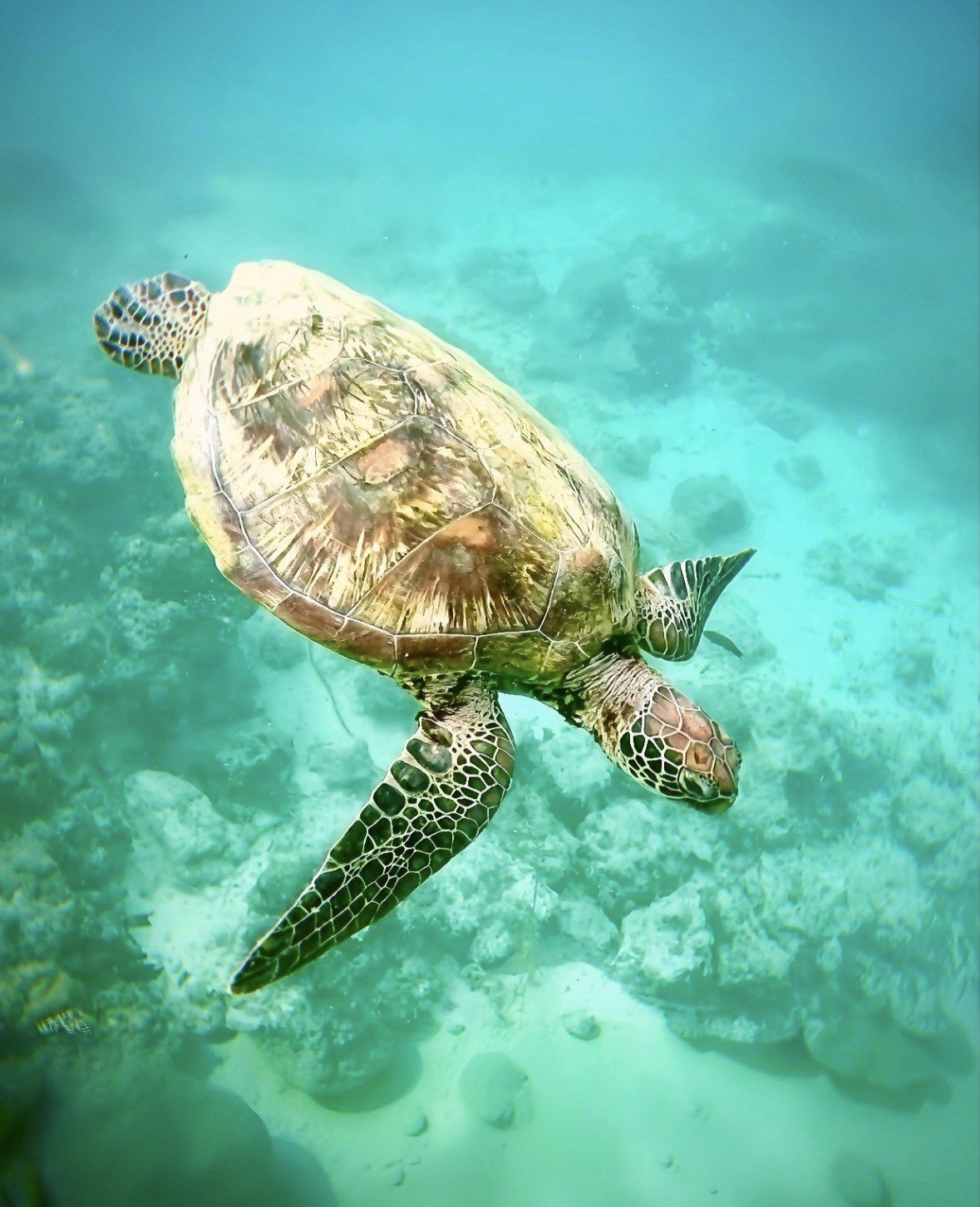
Tamarindo is the turn off PR-251 before the climb to Flamenco, and what it offers is underwater rather than on the sand: soft corals, sea anemones and the turtle grazing grounds just out from shore. Give any turtle you meet a 50-yard berth, the distance set in NOAA's viewing guidance for U.S. waters, and keep your hands off: no touching, no riding, no petting.
Punta Soldado sits south of Dewey, reached on PR-253 from the drawbridge past Playa Sardinas II and then Calle Punta Soldado at the end of Calle Fulladoza. Local sources recommend it for snorkeling and diving both. There are no lifeguards and no facilities to fall back on, so carry water.
Carlos Rosario is the best shore reef on the island and the one that takes planning. The path leaves the back left corner of the Flamenco parking lot, crosses an exposed hill for just under a mile, and takes 20 to 30 minutes depending on stops; walk past the first small beach you reach. Read the sign where the trail starts: the refuge flags unexploded ordnance left by the Navy-era bombing ranges and puts use of the trail down as your own risk, and the path itself serves up rocks and thorns. At the far end there are no facilities and no lifeguards, currents run strong in places, and everything you need comes in and out with you. Refuge public areas and trails close at 6:00 PM, so leave early or pay a water taxi to drop you instead.
Zoni, Brava, Resaca and the boat-only sand
Three of Culebra's beaches are worth knowing about and not worth planning a snorkel session around.
- Zoni finishes PR-250 on the far east side, usually empty, facing Culebrita, Cayo Norte and St Thomas across open water. Come for the sand and the view rather than the reef, and expect the wind.
- Playa Brava is reached by driving east on PR-250, turning left after the cemetery and then hiking downhill. Nesting sea turtles can shut it between April and June.
- Playa Resaca comes after a strenuous scramble through mangrove and boulder terrain, starting where the road ends just east of the airport off PR-250, and the reef there makes swimming hard work.
- Culebrita lies about 5 miles out and can only be reached by hull. There are no facilities and no lifeguards, and the Spanish-era lighthouse is shut because of its condition.
- Cayo Luis Peña, the refuge cay that calms the whole leeward coast, is boat, kayak or water taxi access only, and there are no stores or facilities on the cays.
Picking your base, and when to add a boat
A workable two-session day looks like this: Melones or Tamarindo at first light for the sheltered water and turtle grass, then Flamenco from mid-morning for the facilities, shade under the pines, lunch from the kiosks and one snorkel at the east end. If you have a cart, that whole sequence runs on PR-252 and PR-251 with no hard driving. Gear rental on the island is $20 per day for mask, snorkel and fins, $25 with a vest, from the shop opposite the ferry terminal, open Monday to Saturday 9 AM to 4 PM with no reservation needed.
A boat is the answer when the best reef is beyond walking range, which is most of it. Six hours, from $168, rated 4.7 across 1083 reviews: that is the all-inclusive beach and snorkel day on this site, and it comes with snorkel gear, non-alcoholic drinks, rum drinks and a light lunch of cold-cut sandwiches, fresh fruit, chips and dips. Its meeting point is the gray gazebo with the orange roof in front of the parking lot at 8:00am, early enough to put you over reef while the leeward side is still glassy.
If you would rather have the marine life explained than just pointed at, the 7-hour full-day trip with lunch is from $168 and rated 4.8 from 384 reviews, the highest-rated non-charter option here, with ecological interpretation on the surroundings, marine life and the history of Culebra, paddle boards, snacks, drinks, all fees and taxes and a crew that includes a USCG-licensed captain, a professional snorkel guide and a Certified Interpretive Marine Biologist. Arrive 45 minutes early for check-in and the waiver, and if the building is closed on arrival, wait in the car for the crew.
Timing across the year: the island's dive and snorkel high season is December to March, with the slower stretch May to October. Officially the Atlantic hurricane season covers 1 June to 30 November, with 10 September as its climatological peak, so that is the window where a ferry or a small boat is most likely to stay tied up. On both of the trips above, a full refund needs the cancellation to land at least 24 hours ahead of the scheduled departure time.
Questions people ask
Which Culebra beaches are closed or restricted at certain times of year?
Sea turtle nesting can close Playa Brava between April and June. The Flamenco peninsula and the cays beside it are closed to the public year-round to protect the sooty tern colonies, which number an estimated 30,000 to 40,000 pairs along with about 800 pairs of brown noddies. The rest of the refuge, trails included, runs on a daily 6:00 AM to 6:00 PM window and charges nothing to enter.
Can I drive a rental car to the beaches?
Not the one you picked up on the mainland. The public ferry takes vehicles only when they belong to a Vieques or Culebra resident, and the port window is the only place a vehicle ticket is sold. Drivers leave the car in the Ceiba terminal lot, around $15 per day with a continuous shuttle to the gate, and rent a jeep or a four- or six-passenger golf cart once on the island. Públicos and taxis work too: the shared run from the ferry dock out to Flamenco comes to about $5 per person in each direction.
How close can I get to the turtles at Tamarindo and Melones?
Fifty yards is the distance NOAA's viewing guidance for U.S. waters puts between a snorkeler and a sea turtle, and it rules out touching, riding, petting or any attempt to interact. The seagrass they feed on is designated critical habitat for endangered species, so do not stand on it or drag your fins through it. Hang still at the surface and watch, and let the turtle decide how close the encounter gets.
Do I need to bring snorkel gear to Culebra?
Only if mask fit matters to you, which for most people it does. Walk-in rental on the island is $20 per day for a mask, snorkel and fins set, $25 with a vest, dropping to $16 per day once you keep it five days or more, and no reservation is needed. The shop's conditions: you must be able to swim unassisted, six is the youngest age taken for snorkeling, and anyone under 18 needs a parent or guardian present plus written consent. Boat trips listed here already include gear.
What is the best month for the beaches and the water?
December to March is the local dive and snorkel high season, which is also when operators fill up, so book weeks ahead for that window. May to October is slower and easier to book, but it overlaps the Atlantic hurricane season of 1 June to 30 November, which peaks climatologically on 10 September. If your plan depends on a boat, keep clear of the first half of September.
Read also