In shortThe things to do in Culebra Puerto Rico split into three blocks of time: snorkeling and a beach day on the sheltered southwest coast, the Luis Peña no-take reserve and the refuge trails, which are open daily 6:00 AM to 6:00 PM, and a boat day on the cays. Two nights is the sensible minimum. Guided snorkel days here start from $146.
from $14610-hour ferry snorkel day
6:00 AM–6:00 PMrefuge public areas, daily
1,510 acresrefuge land, 21 cays
1,208 acresLuis Peña no-take reserve
How many days Culebra needs
Ranking the things to do in Culebra Puerto Rico by the hours they swallow, snorkeling and beach days come first, and two nights on the island is the floor if that is why you came. Three nights if a cay day matters to you. The crossing is the reason: the operator puts the Ceiba to Culebra run at about 1 hour 30 minutes, wants passengers at the terminal an hour before departure, closes boarding 10 minutes before the sailing, and does not refund an unused ticket.
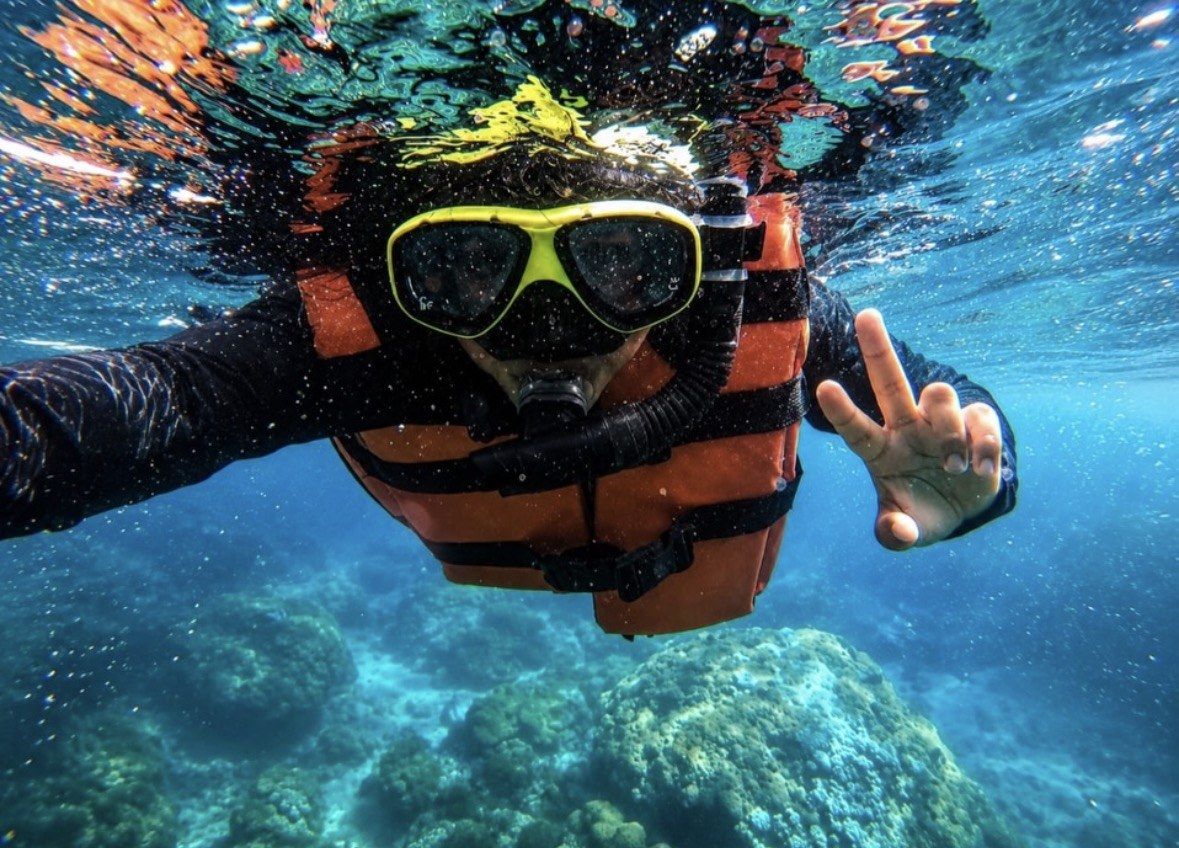
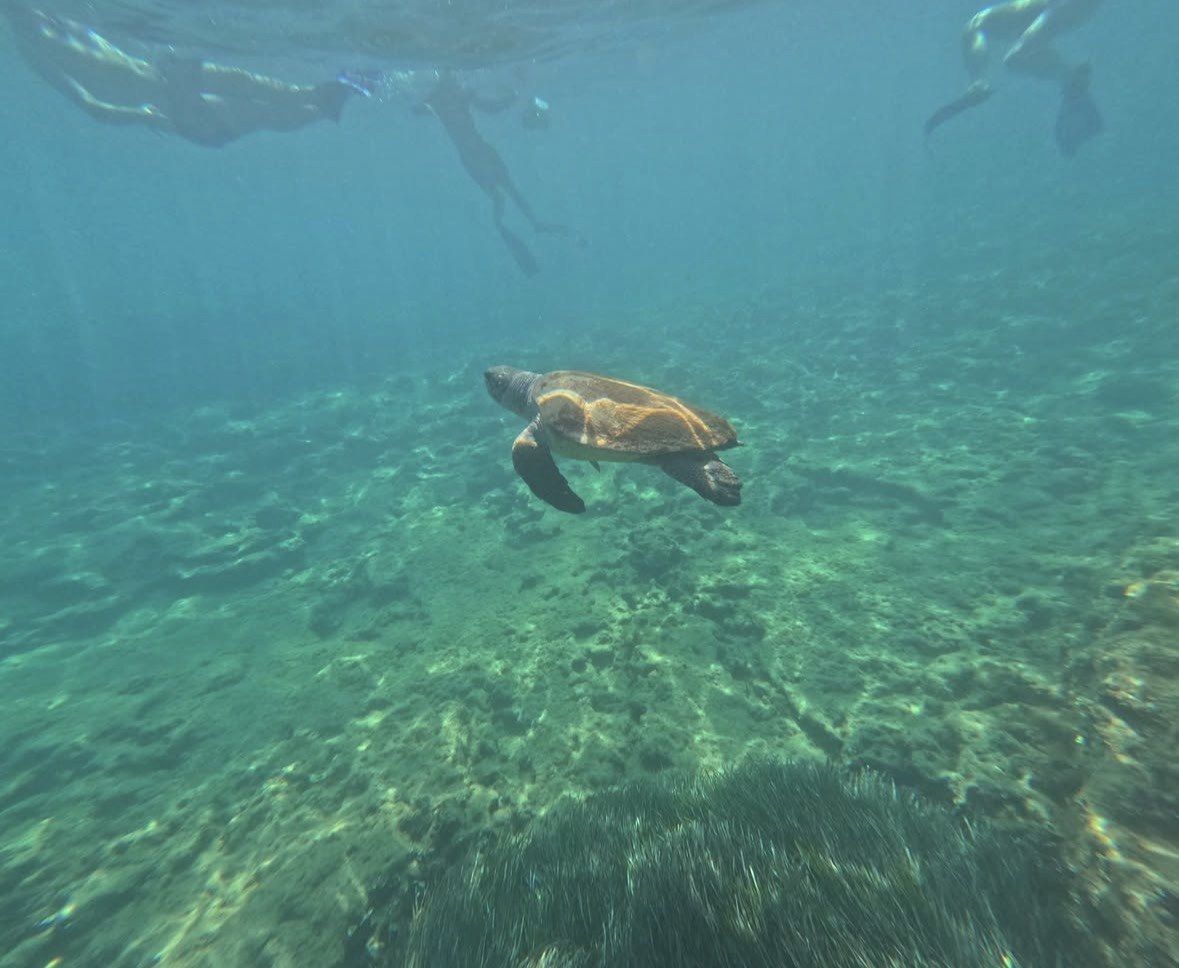
When overnighting is impossible, take a day trip that owns the logistics for you instead of assembling one yourself. The 10-hour trip listed on this site, from $146 and rated 4.7 from 1529 reviews, covers the round-trip Ceiba ferry with entry admission, ground transportation around Culebra, snorkel gear including mask, fins, snorkel and flotation belt, a guided interpretive snorkel with opportunities to swim with sea turtles, and the Flamenco Beach stop with its admission. Lunch sits outside the price and you buy it on Culebra, so leave a slot for it somewhere in those ten hours.
- Day one: a southwest beach in the water before 10 AM, Flamenco for the afternoon
- Day two: a boat day over the Luis Peña and Carlos Rosario reefs, weather permitting
- Day three: Culebrita or Cayo Luis Peña by boat, the first plan the wind cancels
- Half a day spare: refuge trails, the observation tower and Dewey on foot
- One day only, no car on the mainland: the 10-hour ferry snorkel trip, from $146
What to do in Culebra on your first day in the water
Put the first session on the southwest coast before 10 AM. The trade winds build through the day and only the leeward coves stay sheltered, which is why Melones and Tamarindo are the beaches people swim from in the morning. Melones is rocky, backed by subtropical forest and close enough to Dewey to walk; Tamarindo, a turn off PR-251 taken before the road climbs to Flamenco, is known for soft corals and sea anemones. Neither has lifeguards, and the pages on this site for each beach cover the access and the turtle grass offshore.
Flamenco earns the afternoon slot, and it is also the one snorkel beach on the island with a lifeguard on duty, which Melones, Tamarindo, Carlos Rosario, Punta Soldado and Zoni do not have. It is also the only gate you pay: ACDEC, the municipal authority that runs the beach, introduced a $2 per-person admission donation with parking at $5 per car, $4 per golf cart and $3 per motorcycle from 15 October 2018, so carry cash and read the sign on the day. Snorkeling there is confined to the reef at the east end, and the entry and exit is the gap between the two rows of concrete and rock rather than anywhere over the reef.
Carlos Rosario, the island's best-regarded shore reef, is the one that costs you a walk: just under a mile and 20 to 30 minutes from the back left corner of the Flamenco parking lot, over an exposed hill, with rocks and thorns on the path and a refuge sign at the trailhead warning of unexploded ordnance from the Navy-era ranges, where use of the trail is at your own risk. Go early, with water and shoes you can climb in. Nothing is laid on at the far end, so everything you want comes in and out on your back, and the current runs strong in places.
| Where | How you reach it | Hours and timing |
|---|
| Melones | PR-252 northwest from the pier, then the municipal road; walkable from Dewey | In the water before 10 AM; no lifeguards |
|---|
| Tamarindo | A turn off PR-251 before the climb to Flamenco | Morning, while the leeward side is flat; no lifeguards |
|---|
| Flamenco Beach | End of PR-251, about 2.5 miles from Dewey | Parking 7:30 AM to sunset, restrooms and showers 7 AM to 6 PM, kiosks roughly 8 AM to 5 or 6 PM; one local account puts the gate at 7am to 5:30pm, so check at the entrance |
|---|
| Carlos Rosario | On foot from the back left corner of the Flamenco lot, just under a mile, or by boat, kayak or water taxi | Refuge land open 6:00 AM to 6:00 PM; the beach has no facilities and no lifeguard |
|---|
| Zoni | East dead end of PR-250, about 9.0 km (5.6 mi) from the Port of Culebra pier | Usually deserted, with Culebrita, Cayo Norte and St Thomas in view; no lifeguards |
|---|
| Cayo Luis Peña and Culebrita | Boat, kayak or water taxi only; Culebrita lies about 5 miles off Culebra | Weather-dependent; no facilities and no lifeguards once ashore |
|---|
The 8:00am beach and snorkel day
The 8:00am meeting at the gray gazebo with the orange roof in front of the parking lot is the whole argument for this one: it has you over reef while the leeward side is still flat. Six hours, from $168, rated 4.7 from 1083 reviews, with snorkel gear, non-alcoholic drinks, rum drinks and a light lunch of cold-cut sandwiches, fresh fruit, chips and dips.
★ 4.7/5 · 1,083 reviews
The reserve and the refuge, and the hours you can use them
That southwest water carries a legal name, the Canal de Luis Peña Natural Reserve, designated on 11 June 1999 at the end of an 18-year campaign by residents and taking in about 4.8 square kilometres (1,208 acres) of inland and maritime public-domain area. It was the first no-take marine protected area declared in Puerto Rico, which means nothing may be removed from it, shells, coral fragments and fish included. Fishing inside the channel went out in the same year, under an administrative order from Puerto Rico's DNER. The reserve runs between the Flamenco Oeste peninsula and Punta de Vapor, and that is the plain reason its beaches are the calm ones.
The land and cays around that water answer to Culebra National Wildlife Refuge, which dates to Executive Order 1042 of 27 February 1909 and counts among the oldest federal wildlife reserves in the Caribbean. It holds 1,510 acres and takes in 21 offshore cays, Cayo Luis Peña among them at about 342 acres. Refuge public areas and hiking trails are open every day from 6:00 AM to 6:00 PM, which sets both the earliest legal start and the last sensible one. The refuge office sits at Carr. 250 Km 3.5, Culebra PR 00775, and will arrange interpretive outings for groups and school visits when asked in advance.
- Snorkeling sits on the Fish and Wildlife Service's own list of refuge activities, alongside hiking, birding, wildlife watching, photography and running
- Hands, feet and fins all do damage: reef guidance for Culebra is that even the lightest touch harms coral
- Standing in the seagrass or dragging fins through it is prohibited, because those beds hold critical habitat designation for endangered species
- Skippers are asked to use the mooring buoys instead of dropping anchor, and to come off the throttle near shore and over shallows
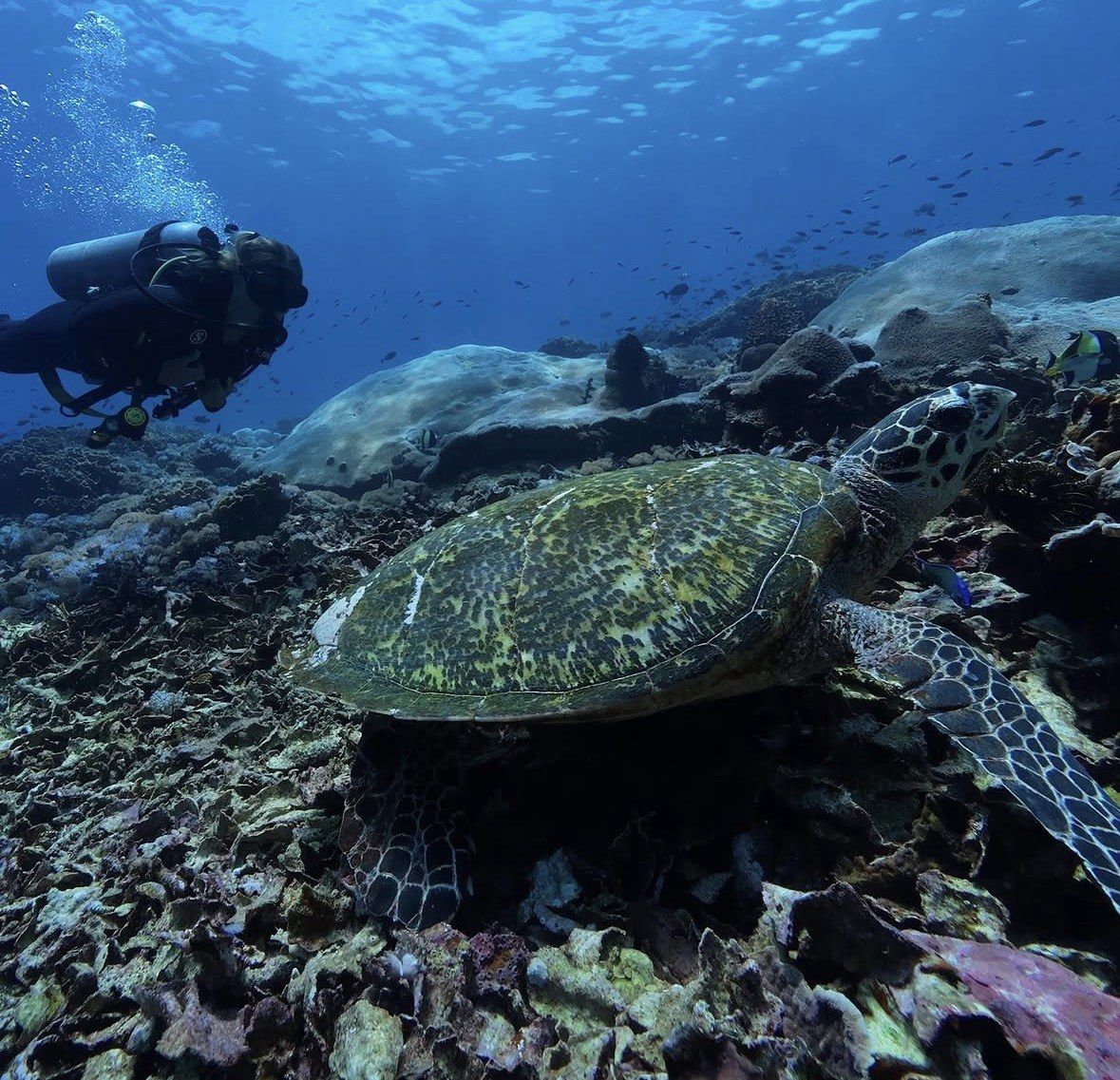
- A turtle sighting means keeping your distance: NOAA viewing guidance sets 50 yards as the minimum in the water, and touching, riding or petting is out
The cays, and where kayaks and paddle boards fit
Culebrita takes a whole day and a hull. Only a boat gets you across the 5 miles or so of water, and once ashore there are no facilities and nobody watching the swimmers, while the 19th-century lighthouse stays shut to visitors because of the condition of the structure. Cayo Luis Peña, the refuge cay that shelters the Tamarindo and Carlos Rosario side, is the shorter version of the same trip by boat, kayak or water taxi. Both are the first plans the weather takes away, so put them mid-stay rather than on your last morning.
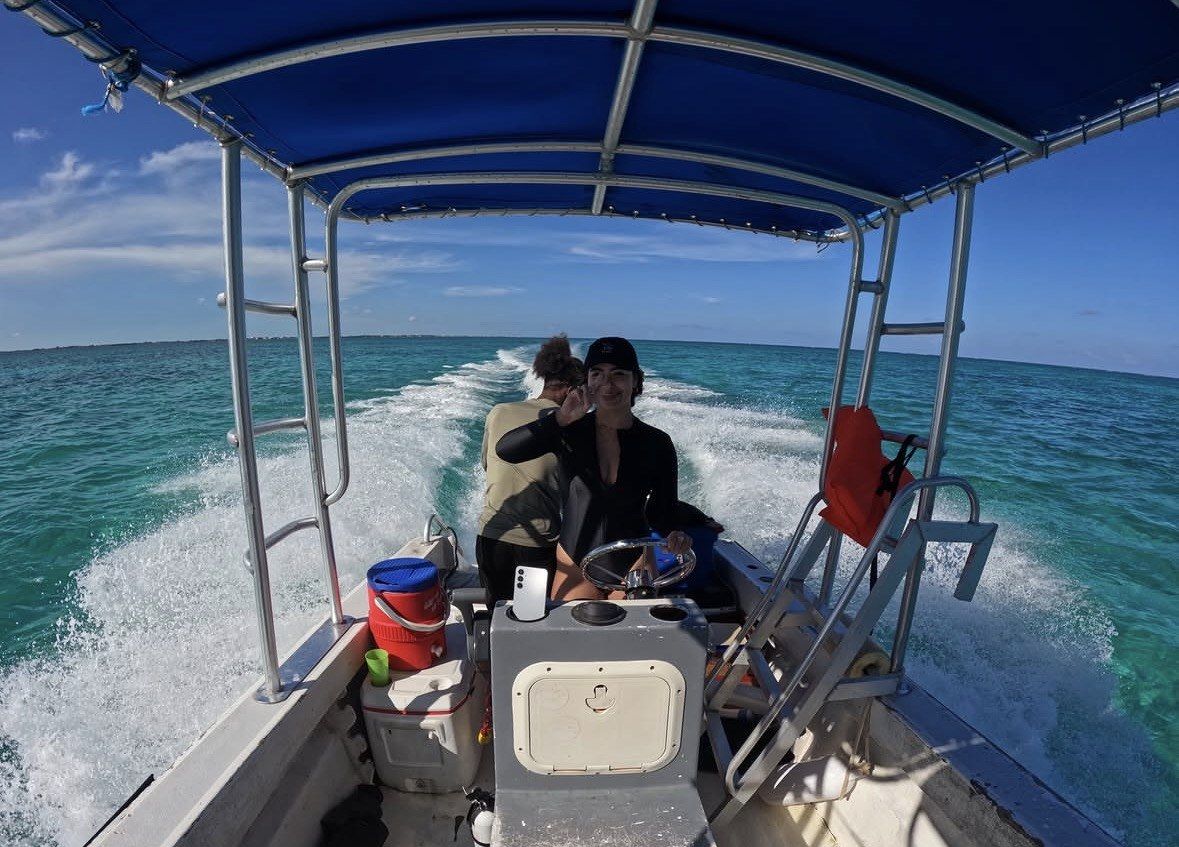
One local water-taxi operator charges $55.00 per person for a Culebrita or Cayo Luis Peña day, or $30.00 per child under 10, running Culebrita in three fixed windows: 8:00 am to 2:00 pm, 10:00 am to 3:00 pm and 11:30 am to 4:30 pm, with Luis Peña timings agreed at booking. For that money you get snorkel gear, a paddle board, beach chairs and an umbrella, and if you arrived without a car the operator will collect you from the airport, the ferry terminal or your lodging. Cancellation is refundable only 48 hours ahead and nothing comes back on the day.
Paddling does not need its own booking if you pick the right boat day. The 7-hour trip listed here, from $168 and rated 4.8 from 384 reviews, includes use of paddle boards along with lunch, snacks, drinks, all fees and taxes, snorkel gear, and a crew carrying a USCG-licensed captain, a professional snorkel guide and a Certified Interpretive Marine Biologist. Allow 45 minutes before departure for check-in and the waiver; the building is sometimes still locked at that hour, in which case stay in the car until the crew arrives.
Culebra attractions on land
Dewey is the only town and where the ferry lands, on Calle Pedro Márquez. Walking it is a short block of time rather than a day. El Polvorín, the Culebra Historical Museum, sits in a building the U.S. Navy used as a World War II ammunition depot, and the rooms inside hold wartime artifacts plus exhibits on the Taíno people, sea turtle conservation and the island's natural history. The Navy story is all over the ground here: it took Culebra land in 1902, set up the naval reservation in 1903, ran gunnery and bombing practice from 1939, and ended gunnery use in 1975 after residents began protesting in 1971.
Two Sherman practice tanks sit on the sand at the west end of Flamenco, one painted with graffiti and the other left rusting. The first stands near the rocky west end past the main beach area, the second slightly east of it and closer to the waterline, reached on a short trail where beach shoes earn their keep. Add it to the Flamenco afternoon rather than treating it as a separate outing.
Birding and wildlife watching fill the hours when the sea is too lumpy for a boat. The count on Culebra stands at 115 bird species or more reported, 14 of them seabirds that nest across the archipelago, and around Flamenco and its neighbouring cays the estimate runs to 30,000 to 40,000 pairs of Sooty Terns plus roughly 800 pairs of Brown Noddies. That is why the Flamenco peninsula and its neighbouring cays are closed to visitors.
- Observation tower near the refuge office on Road 250
- Caño Bruley mangrove boardwalk for marsh birds
- Flamenco Lagoon for White-cheeked Pintails
- Luis Peña Cay and Culebrita, the publicly accessible cays for seabirds
- Zoni, at the eastern dead end of PR-250, for the open-water view to Culebrita, Cayo Norte and St Thomas
- Wildlife the refuge names: hawksbill, green and leatherback sea turtles, the Roseate Tern, the Culebra Giant Anole and the Virgin Islands Tree Boa
When to come, and what the weather takes away
Seats get scarce from December through March, the local dive and snorkel high season, and that is the stretch where booking weeks out decides whether you get on a boat at all. Between May and October the island runs quieter and space opens up, with the trade-off that those weeks fall inside the official Atlantic hurricane season of 1 June to 30 November, whose climatological peak lands on 10 September. Keep a trip that hinges on boats clear of the first half of September.
Boat days, water taxis and the cays are the weather-dependent parts of any Culebra plan; the sheltered southwest beaches are what you fall back on. Departure times for the ferry exist only as a dated official itinerary, the current edition running 1 August to 30 November 2026, so read that one on the operator's site instead of a timetable someone copied last season. Flights into Benjamín Rivera Noriega Airport are the quicker way over, with Air Flamenco, Cape Air and Vieques Air Link flying hops that mostly run under 25 minutes.
Pick the anchor trip first and let the beaches fill in around it. Cancelling 24 hours or more before the scheduled departure time gets the whole amount back on every trip listed here.
- No car on the mainland, or one day to spend: the 10-hour ferry trip with guided snorkeling and turtles, from $146, rated 4.7 from 1529 reviews
- An early start and food sorted on board: the 6-hour all-inclusive beach and snorkel day, from $168, rated 4.7 from 1083 reviews, meeting at 8:00am
- Marine biology, interpretation and paddle boards: the 7-hour full day, from $168, rated 4.8 from 384 reviews, with all fees and taxes included
Questions people ask
Do I need a car or a golf cart to get around Culebra?
Leave the mainland rental where it is, because the public ferry loads vehicles only when they are registered to a Vieques or Culebra resident, and those vehicle tickets are sold at port windows and nowhere else. Parking at the Ceiba terminal runs about $15 a day, with a shuttle that keeps circulating between the lot and the gate. On the island, PR-250, PR-251, PR-252 and PR-253 cover the ground, públicos and taxis operate, a shared taxi from the ferry dock out to Flamenco runs about $5 per person each way, and jeeps and four- or six-passenger golf carts are rented locally. The 10-hour ferry trip listed here includes ground transportation throughout Culebra, so nothing needs arranging on arrival.
What is the minimum age for snorkeling on Culebra?
The Dewey dive shop sets six as the floor age for snorkeling and twelve for scuba, and everyone getting in must be able to swim unassisted. Under-18s travel with a parent or guardian present and with written consent. Those conditions are a sensible baseline anywhere on the island, especially at the beaches with no lifeguards. One water-taxi operator prices a child under 10 at $30.00 against $55.00 per person otherwise.
Is there anything to do when the sea is rough?
Keep the day on the leeward southwest coast, where Melones and Tamarindo stay sheltered while the north and east sides get the wind. Flamenco is the beach with lifeguards if nobody in the group wants an unguarded entry. Refuge public areas and trails are open 6:00 AM to 6:00 PM for hiking, birding, wildlife watching and photography, and Dewey has the historical museum in the old Navy ammunition depot. Boat trips and water-taxi runs to the cays are what gets called off.
Can I camp at Flamenco Beach?
The managed campground charges $35 per tent per night for a maximum of six people per tent, half price for people with disabilities, on top of the $2 per-person beach donation and parking at $5 per car or $4 per golf cart. Reservations are needed because spaces are limited, and campers register at the office by the beach entrance for up to seven nights at a time, re-registering for longer stays. Areas A to E sit on packed dirt and sand with palm and pine shade, flush toilets, showers on non-potable water, potable water tanks, limited picnic tables and BBQ pits where you bring your own charcoal. Quiet time starts at 11pm, and glass bottles and open flames are not allowed.
Are there fees to enter the protected areas?
Culebra National Wildlife Refuge charges no admission for its public areas and trails, which are open daily 6:00 AM to 6:00 PM. In the water, what matters is the rules rather than a gate: the Luis Peña channel is a no-take reserve where flora and fauna are protected from removal by law and fishing has been banned by DNER order since 1999. Commercial boat trips handle the reserve fee themselves, and the 7-hour trip listed here states all fees and taxes are included.
Read also