In shortGolf cart rental is the usual way to move around Culebra, with carts and jeeps rented in town and at the PR-251 airport office. The rental company itself lists four- and six-passenger carts for in-town driving, so take a 4x4 for the far ends of PR-250 and PR-253. Flamenco lies about 2.5 miles from Dewey and charges parking by vehicle type; Carlos Rosario and the cays need feet or a hull.
2.5 milesDewey to Flamenco
9.0 km (5.6 mi)PR-250, pier to Zoni
6:00 AM–6:00 PMrefuge trails, daily
from $1686-hour boat day
Golf cart rental on Culebra: what a cart actually reaches
A four- or six-passenger golf cart is what most people drive here, and the island's rental company is straightforward about the limits: it lists carts for in-town driving and keeps 4x4 Jeep Wranglers, a Ford Bronco Sport, minivans and a Ford F-150 on the lot for everything else. Plan around that split. Dewey, the PR-252 end where the municipal road to Melones begins, and the hilly run up PR-251 to Flamenco are the cart's natural range.
No operator publishes daily rates, a minimum driver age or its licence requirements online, so settle all three by phone before you count on a cart. The number is (787) 742-3514, for the company with its main office on Carr. #250, a desk on PR-251 at the airstrip and a third office at Roosevelt Roads in Ceiba; it opens seven days a week and quotes weekly and monthly rates as well. Fuel is the other thing to raise at pick-up, since no official source lists station locations or hours on the island: ask where to fill and leave town with a full tank.
- Carts: Dewey, the Melones road end off PR-252, and the paved climb up PR-251 to Flamenco
- Jeeps and 4x4s: the far ends of PR-250 east toward Zoni and PR-253 south toward Punta Soldado, where no official source describes the surface, so ask the desk which roads they allow their carts on
- Nothing on wheels: Carlos Rosario, Cayo Luis Peña and Culebrita
- Refuge public areas and hiking trails run 6:00 AM to 6:00 PM daily, which caps how late it is worth driving out to a trail beach
Jeeps, minivans and Culebra car rental
The island fleet covers more than carts: 4x4 Wranglers, a Bronco Sport, minivans and a pickup, bookable online or on (787) 742-3514. The Ceiba office at Roosevelt Roads matters more than it looks, because it means the arrangement can be made before you ever reach the water, and the airport desk on PR-251 sits a short distance from the PR-250 junction in front of the airstrip.
The reason you rent on arrival at all is that the car you drove to the terminal has to stay there. Only vehicles belonging to a Vieques or Culebra resident are loaded onto the ferry, and even those tickets change hands at the port windows and nowhere else, which leaves visitors with the Ceiba lot at about $15 per day and a shuttle that keeps circulating to the gate while you wait.
Book the vehicle the same week you book a boat if you are travelling between December and March, the island's dive and snorkel high season. The island runs slower from May to October, when arrangements come together more easily; those months also sit inside the Atlantic hurricane season, 1 June to 30 November, with its climatological peak on 10 September.
The four roads and where each one stops
Culebra has four state highways and a single bridge, so getting around is mostly a question of which of the four you are on. PR-250 is the long one, running east from the Port of Culebra pier to a dead end at Zoni, which looks out at Culebrita, Cayo Norte and St Thomas. The PR-250/PR-251 junction in front of the airport sits roughly 1.3 km (0.81 mi) from the road's western terminus at the pier.
Driving to Flamenco means climbing PR-251 to the end of the tarmac, about 2.5 miles of hilly ground out of Dewey, which is why the fuel level and the brakes matter more than the mileage. Tamarindo is taken from the same road on the way up, and Melones is reached by municipal road past the end of PR-252.
| Road | Length in the facts | Where it gets you |
|---|
| PR-250 | about 9.0 km (5.6 mi) | Port of Culebra pier near Dewey's square east to its dead end at Zoni Beach |
|---|
| PR-251 | 2.9 km (1.8 mi) | Junction in front of Benjamín Rivera Noriega Airport northwest to Flamenco, with indirect access to Tamarindo, Flamenco Bay and Punta Molinos |
|---|
| PR-252 | 1.5 km (0.93 mi) | Northwest from the pier to where the municipal roads to Quintas de Culebra and Melones Beach begin |
|---|
| PR-253 | about 2.8 km (1.7 mi) | From the drawbridge over the Ensenada canal south past Playa Sardinas II to Calle Punta Soldado |
|---|
Let the boat handle the beach-to-beach moving
No cart to park and no gate to pay: six hours from $168, gear, drinks and a light lunch aboard, meeting at 8:00am at the gray gazebo with the orange roof in front of the parking lot.
★ 4.7/5 · 1,083 reviews
What the gate at Flamenco charges by vehicle
Drive to Flamenco and you arrive at a staffed entrance, the only one on the island where a vehicle is charged to stop. ACDEC, the municipal Autoridad de Conservación y Desarrollo de Culebra, runs it. From 15 October 2018 the authority introduced a $2 suggested donation per person, with a wristband issued at the entrance, plus parking of $5 per car, $4 per golf cart and $3 per motorcycle. Those 2018 amounts are the only ones to come from an official-source report, so read the sign on the day and carry small bills.
Time the drive back around the gate rather than the sunset. Parking is attended from 7:30 AM until sunset, restrooms and showers from 7 AM to 6 PM, and the kiosks roughly 8 AM to 5 or 6 PM; one local guide puts the gate itself at 7am to 5:30pm and says it shuts on the hour it says. A lifeguard on duty is part of what you are driving to: Flamenco has them, and Melones, Tamarindo, Carlos Rosario, Punta Soldado and Zoni do not.
The best-regarded shore reef is not on the road network at all. Park at Flamenco, find the back left corner of the lot, and the rest is walking: just under a mile, roughly 30 minutes, over an exposed hill, with a refuge sign at the trailhead about unexploded ordnance from the Navy-era ranges and a notice that use is at your own risk, plus rocks and thorns underfoot. Nothing waits at the far end, there are no facilities, and currents can be strong in places, so water, shoes and a dry bag come in on your back. Leave early, inside the refuge's 6:00 AM to 6:00 PM window, or take a boat, kayak or water taxi instead.
Walking from the dock, and when to take a taxi
On foot from the ferry terminal on Calle Pedro Márquez you get Dewey and a little beyond. The snorkel shop sits directly across from the terminal, open Monday to Saturday 9 AM to 4 PM, where a walk-in mask, snorkel and fins set is $20 per day, $25 with a vest and $16 per day on five days or more. Melones is within walking distance of town. The airport is close enough to the dock to walk between the two, with the PR-250/PR-251 junction at roughly 1.3 km (0.81 mi) from the pier. Flamenco is not a walk: the road has no sidewalks and the ground is hilly.
Públicos and taxis are the island's local transport, and the shared run from the ferry dock out to Flamenco is quoted at about $5 per person each way. No official tariff schedule is published for Culebra taxis, so agree the fare before you set off, and agree the pick-up time for the ride back while the driver is still in front of you.
Water taxis handle the boat-only water and solve the no-vehicle problem at the same time, since one local operator will collect you from the airport, the ferry terminal or your lodging if you have no car, and brings beach chairs, an umbrella, snorkel gear and a paddle board along in the rate. A day on Culebrita or Cayo Luis Peña with that operator is $55.00 per person and $30.00 for a child under 10. Culebrita departures work in three fixed windows, 8:00 am to 2:00 pm, 10:00 am to 3:00 pm and 11:30 am to 4:30 pm, with Cayo Luis Peña timings set when you book; money comes back only on a cancellation made 48 hours out, and nothing at all on the day itself. The Culebrita and Cayo Luis Peña pages on this site go through those two cays in detail.
Rent for the day, ride, or let a boat do the moving
Two or more days on the island, with early shore sessions at Melones and Tamarindo in the plan, justify a vehicle; take a cart if you are staying on the paved spine and a 4x4 if the far ends of PR-250 or PR-253 are on the list. One day on Culebra does not justify it, and shared taxis at about $5 per person each way to Flamenco cover that day without a licence, a gate charge or a fuel stop.
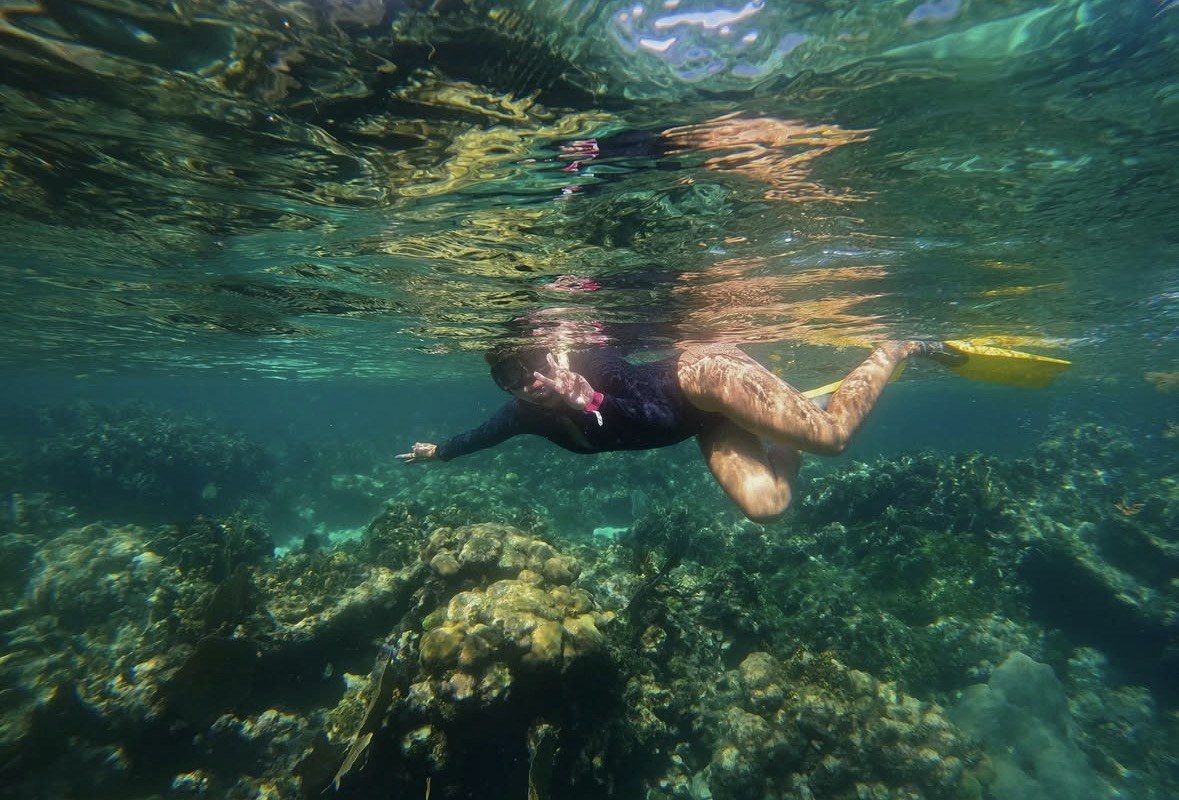
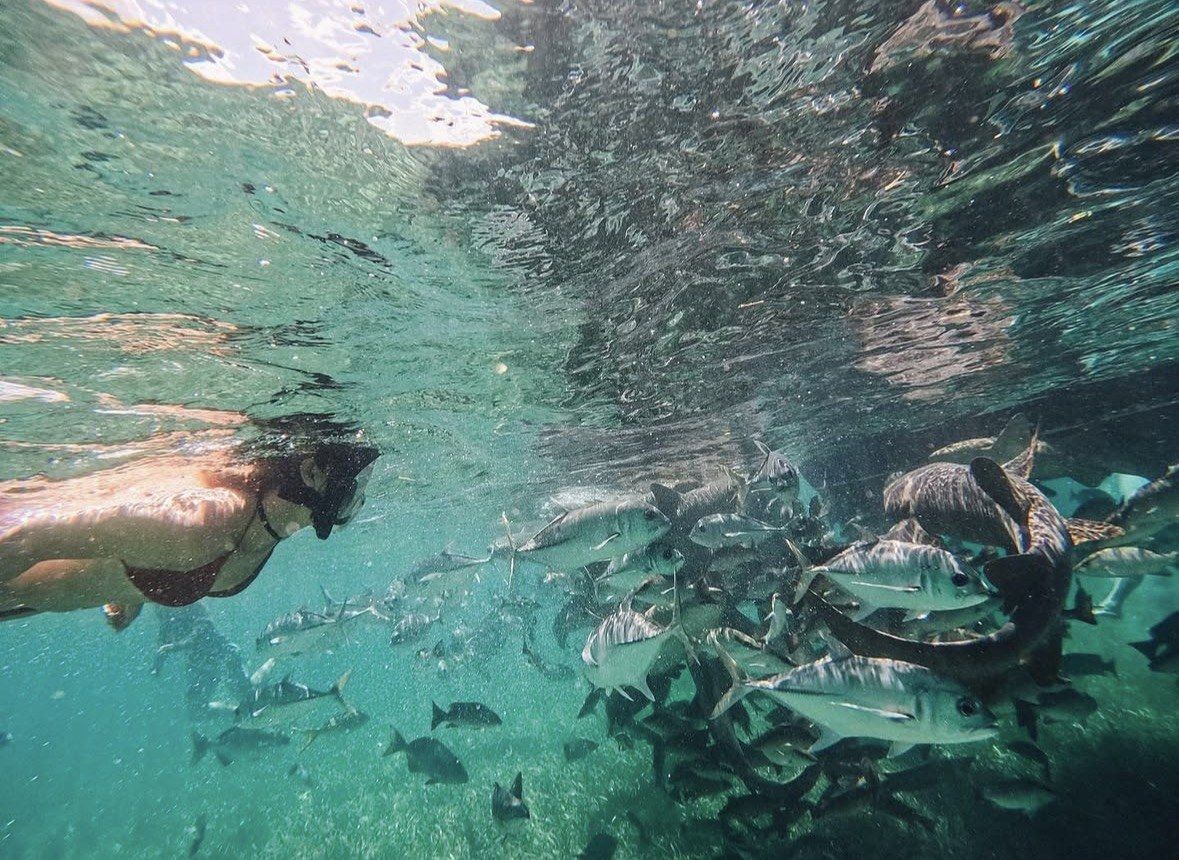
When the water is the whole point, a boat day removes the driving, the parking charges and the hill to Carlos Rosario in one booking, because the crew moves you between reefs. That is the all-inclusive beach and snorkel day: six hours, from $168, 4.7 from 1083 reviews, mustering at 8:00am at the gray gazebo with the orange roof in front of the parking lot, with gear, non-alcoholic drinks, rum drinks and a light lunch of cold-cut sandwiches, fresh fruit, chips and dips aboard.
Vegan or gluten-free eaters are better served by the 7-hour snorkel and beach day with lunch and drinks, from $162, 4.6 from 430 reviews: a build-your-own deli buffet with vegetarian pasta salad and a fruit platter, the $3 marine fee in cash at check-in, and the special option at $6 per person arranged by phone beforehand. If your car is parked near Fajardo rather than at Ceiba, the 6-hour catamaran day from $180, 4.6 across 2722 reviews, is the one to take, checking in at Puerto del Rey Marina 45 minutes ahead with parking near the boat. All three give the full amount back on a cancellation made at least 24 hours before the scheduled departure time.
Questions people ask
Can I drive my rental car onto the ferry, or do I rent a golf cart on Culebra?
Rent on the island. The ferry takes a vehicle aboard only if it belongs to a Vieques or Culebra resident, and those particular tickets are issued at the port windows and nowhere else, so a mainland rental never crosses. Leave the car in the secure lot at the Ceiba terminal, about $15 per day, and ride the shuttle that runs continuously to the gate. Rent a cart or jeep on the island instead, or book a boat day that includes the gear.
Which beaches can I reach with no vehicle at all?
Dewey and Melones, which is a rocky beach backed by subtropical forest within walking distance of town. For that walk you can pick up a mask, snorkel and fins set at $20 per day from the shop facing the ferry terminal, which keeps Monday to Saturday hours of 9 AM to 4 PM and takes walk-ins without a booking. Anything further out needs a cart, a jeep, a público or a boat.
Is a golf cart enough for Zoni and Punta Soldado?
The rental company lists its carts for in-town driving and keeps 4x4 Wranglers and a pickup for the rest, which is the answer in practice. No official source documents the surface of the access roads to Zoni, Melones, Tamarindo or Punta Soldado, so ask on (787) 742-3514 which roads they let a cart onto before you drive east on PR-250 or south on PR-253.
How early can I start if the plan involves walking on refuge land?
From 6:00 AM, which is when the refuge opens its public areas and hiking trails, with closing at 6:00 PM and no entrance fee; that 6:00 AM opening is the earliest a cart parked at Flamenco gets you onto the Carlos Rosario trail legally. It is also the hour worth using, because the wind picks up as the morning goes on and the sheltered coves all face southwest. The refuge office is on Carr. 250 Km 3.5 if you want a map.
Do the boat tours listed here include snorkel gear?
Yes, all three include use of snorkelling equipment, so there is nothing bulky to haul in a cart or pay item charges for on the ferry. The 6-hour all-inclusive day is from $168, the 7-hour day with the deli buffet from $162 and the catamaran from Fajardo from $180. Cancel any of them at least 24 hours before the scheduled departure time and the refund is the full amount.
Read also