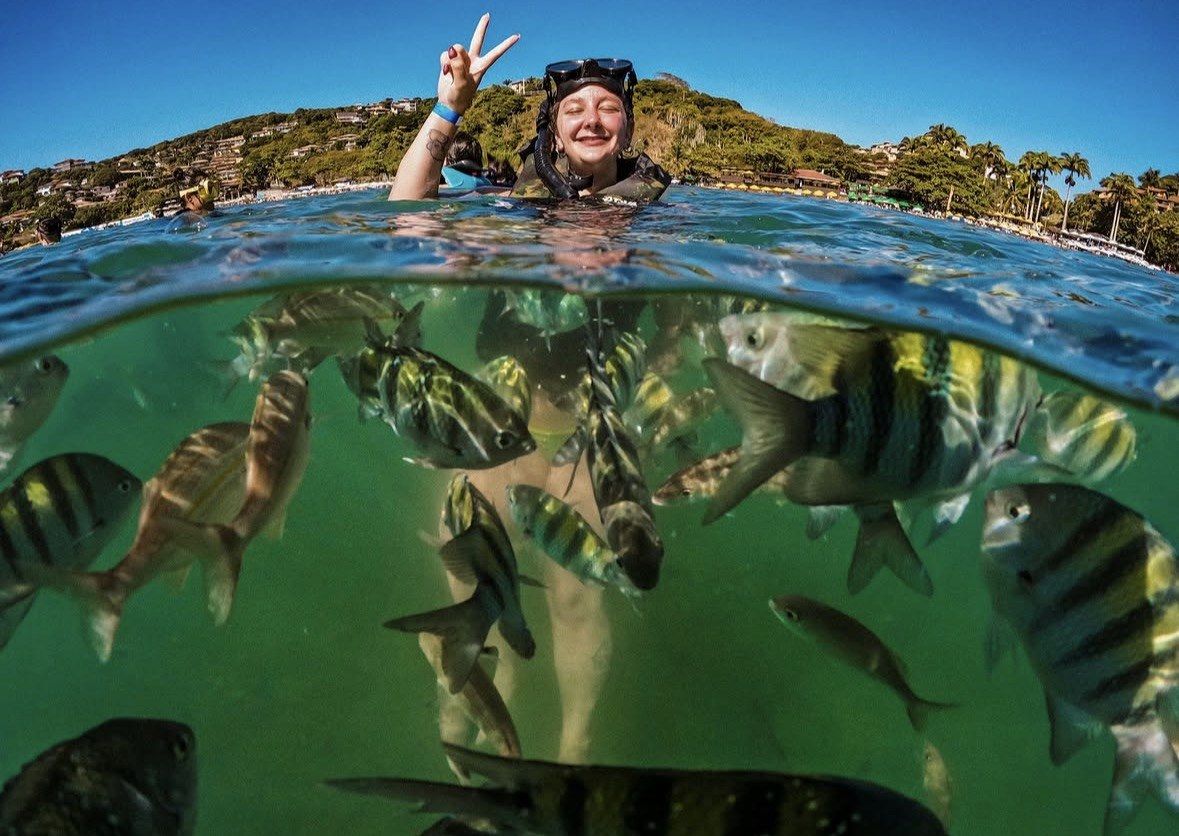
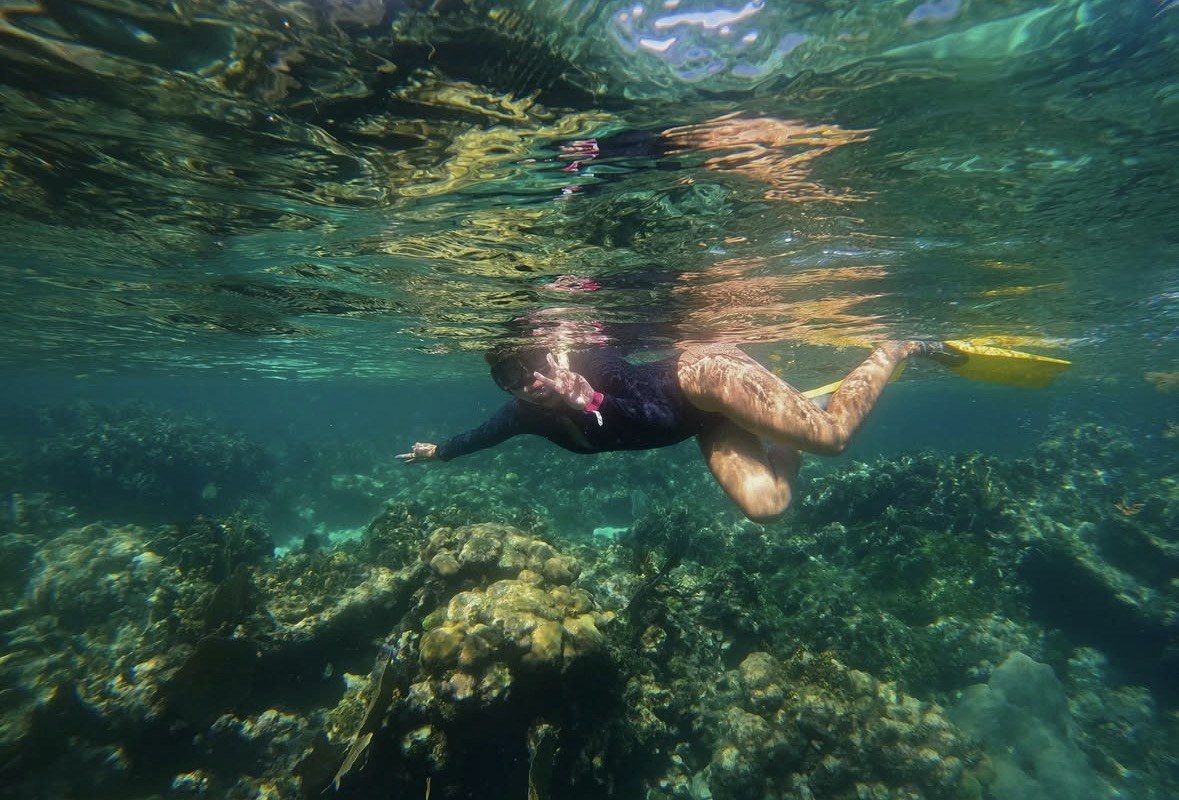
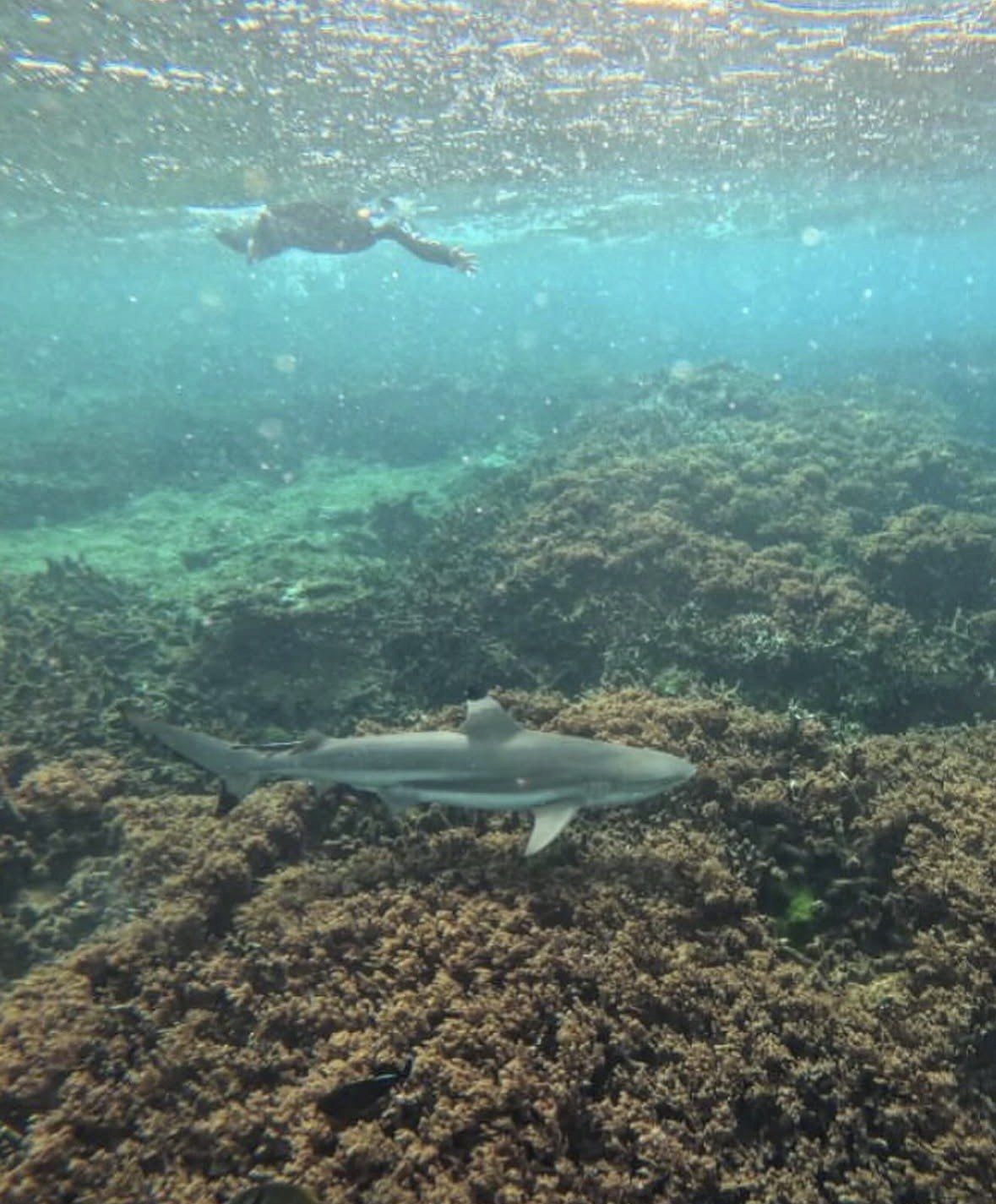
In shortThe best snorkeling in Culebra Puerto Rico is on the southwest, leeward coast inside the Canal de Luis Peña Natural Reserve: Carlos Rosario, Tamarindo and Melones from shore, plus the reef at Flamenco's east end. Cayo Luis Peña and Culebrita add water the shore cannot reach and need a boat. Flamenco is the only snorkel beach with lifeguards; refuge land and trails are open 6:00 AM to 6:00 PM.
1,510 acresfederal refuge land
1,208 acresno-take marine reserve
6:00 AM–6:00 PMrefuge public access
from $1686-hour snorkel day
Why the best snorkeling in Culebra Puerto Rico sits on one coast
Everything good is on the southwest side. The Canal de Luis Peña Natural Reserve runs along the leeward coast between the Flamenco Oeste peninsula and Punta de Vapor, which is why Melones, Tamarindo and Carlos Rosario stay readable when the trade winds are up. Cayo Luis Peña, roughly 342 acres of refuge cay, takes the swell before it reaches them.
Protection is the second reason the reef is still worth a flight. Culebra National Wildlife Refuge dates to Executive Order 1042, signed on 27 February 1909 under Theodore Roosevelt, which made it the first federal wildlife reserve in the Caribbean set aside for native birds. The refuge today holds 1,510 acres and takes in 21 offshore cays, so most of the water you will snorkel is ringed by federal land. Snorkeling is one of the activities the Fish and Wildlife Service formally lists for the refuge, alongside hiking, birding, wildlife watching, photography and running.
On the marine side, an 18-year local campaign produced a reserve designated on 11 June 1999, roughly 4.8 square kilometres (1,208 acres) and the first no-take marine protected area in Puerto Rico. Nothing may be removed, shells, coral and fish included, and DNER banned fishing inside the channel by administrative order the same year. The reserve covers the water in front of Melones, Tamarindo and Carlos Rosario.
Culebra snorkeling spots, ranked
Carlos Rosario is the one to build a day around: the island's best-regarded shore reef, long and healthy with large sea fans, and a named dive site as well. There is no road, no facilities and nobody watching the water, and currents can run strong in places, so give it a whole morning rather than a spare hour after lunch. Go early.
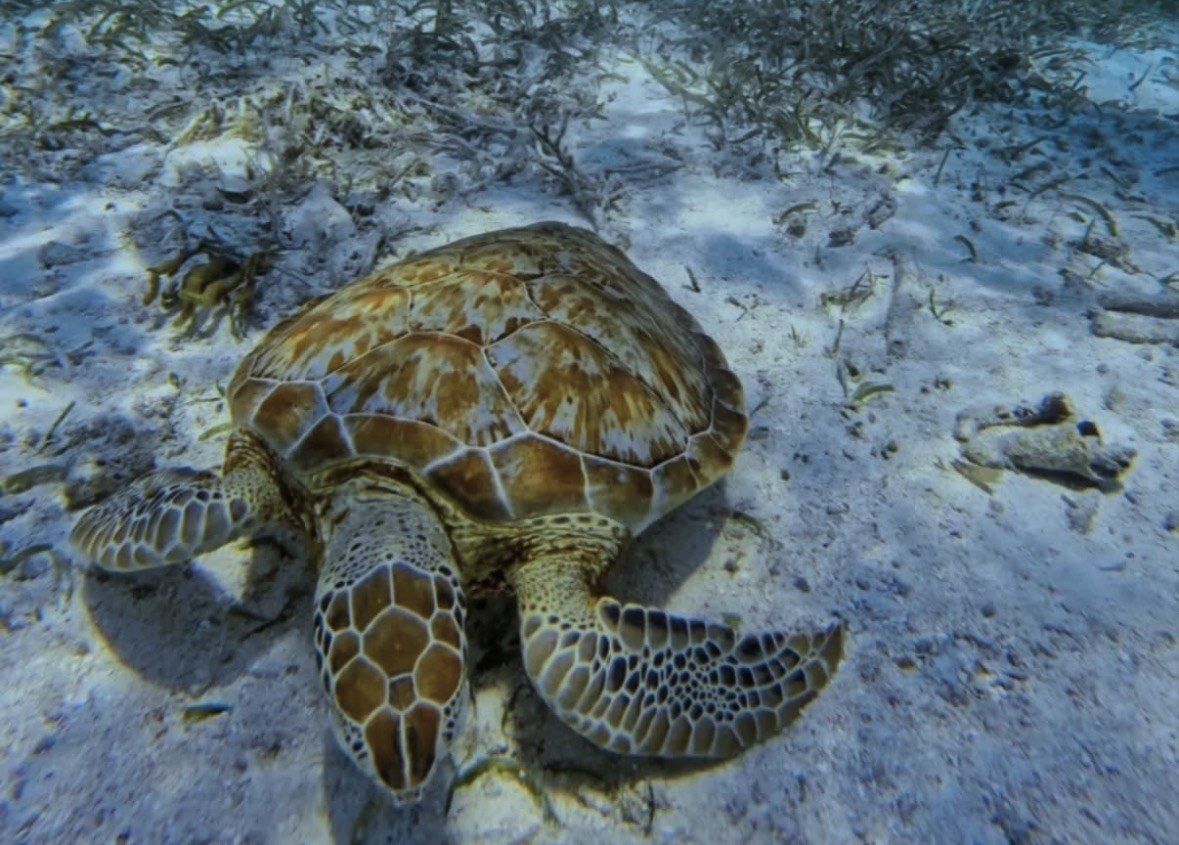
Tamarindo and Melones you can reach without hiking a ridge. What earns Tamarindo its place in this ranking is the combination of soft corals and sea anemones with the legally protected seagrass offshore that green turtles graze, all of it a turn off PR-251. Melones is rocky, backed by subtropical forest and close enough to walk from Dewey, which makes it the obvious first session on an arrival afternoon.
Flamenco is a beach day with one specific snorkel in it. Its snorkelable reef is confined to the east end, the Shark Cages in local shorthand, and the single sensible way in and out is the gap between the two rows of concrete and rock. Cayo Luis Peña and Culebrita make up the boat half of the list. Culebrita lies about 5 miles off Culebra, is reachable only by boat, has no facilities and no lifeguards, and its 19th-century Spanish-era lighthouse is closed to the public. Punta Soldado, south of Dewey at the end of Calle Fulladoza, is recommended for snorkeling and diving both, and it is the quiet one most visitors never reach. There is a dedicated page here for each of these spots with the access detail.
Zoni sits at the dead end of PR-250, looking out to Culebrita, Cayo Norte and St Thomas. It faces the weather and the open channel, so go for the view and snorkel elsewhere.
| Spot | What you see | Entry | Lifeguards |
|---|
| Carlos Rosario | Long reef with large sea fans; the island's best-regarded shore reef | No road access: 20 to 30 minutes on foot, just under a mile, from the back left corner of the Flamenco parking lot, or by boat, kayak or water taxi | None |
|---|
| Cayo Luis Peña | Reef inside the no-take reserve, on a refuge cay of about 342 acres | Boat, kayak or water taxi; no facilities or stores on the cay | None |
|---|
| Tamarindo | Soft corals and sea anemones, over legally protected seagrass where turtles feed | Shore entry on the leeward coast, off PR-251 | None |
|---|
| Melones | Rocky shoreline and seagrass, subtropical forest behind the sand | On foot from Dewey, following PR-252 to the point where the municipal roads to Quintas de Culebra and Melones Beach start | None |
|---|
| Flamenco east end (Shark Cages) | Reef pocket at one end of a mile-long horseshoe beach | At the beach's east end, in and out via the gap between the two concrete-and-rock rows | Yes, the only snorkel beach with them |
|---|
| Culebrita | Reef and clear water the shore side cannot reach, about 5 miles offshore | Boat only; no facilities, lighthouse closed to the public | None |
|---|
| Punta Soldado | Point reef recommended for snorkeling and diving | South of Dewey at the end of Calle Fulladoza, off PR-253 | None |
|---|
All-inclusive snorkel and beach day
Six hours with snorkel gear, drinks and a light lunch included, meeting at 8:00am so you are over the reef while the leeward coast is still flat.
★ 4.7/5 · 1,083 reviews
Access hours, lifeguards and the rules you are expected to know
Lifeguard cover on Culebra exists at exactly one of the spots ranked above, and that is Flamenco. Melones, Tamarindo, Carlos Rosario, Punta Soldado and Zoni have none, and Carlos Rosario has no facilities either, so water, shade and shoes come in with you and go out with you. Flamenco is also the only place on the list equipped for the hours you spend out of the water, with restrooms, changing rooms and showers, picnic tables, chairs and umbrellas to rent, food kiosks and a large parking lot. Admission and parking are charged there by ACDEC, the municipal authority that runs the beach; the amounts on record date from October 2018, so check at the gate.
Refuge public areas and hiking trails, which is how you reach Carlos Rosario on foot, are open daily from 6:00 AM to 6:00 PM, and that sets the clock on any walk-in beach. The path leaves from the back left corner of the Flamenco parking lot and takes 20 to 30 minutes, just under a mile. The trailhead carries a refuge warning about unexploded ordnance from the Navy-era ranges and a notice that use is at your own risk; there are rocks and thorns along the way, and the first small beach you come to is not the one you want. The Flamenco peninsula and the cays beside it are closed to the public, which keeps the sooty tern colonies nesting there.
Reserve conduct is specific, and the crews on the water enforce it. Any contact harms coral, down to the lightest touch of a hand, foot or fin. Culebra's seagrass beds are all designated critical habitat, so standing on them or dragging fins through them is prohibited, turtle grass at Tamarindo and Melones included. Give any turtle you meet a berth of at least 50 yards, the distance NOAA's viewing guidance sets for U.S. waters, and leave out any touching, riding or petting. Boats are asked to tie to mooring buoys instead of anchoring and to slow near shore and in the shallows.
- Refuge public areas and trails: daily 6:00 AM to 6:00 PM
- Lifeguards: Flamenco only
- No-take reserve: nothing removed, including shells, coral and fish
- Seagrass: do not stand on it or drag fins through it
- Sea turtles: keep a distance of at least 50 yards
- Refuge office: Carr. 250 Km 3.5, Culebra PR 00775, which also arranges interpretive visits for groups and schools on request
What time of day and what time of year to get in
Be in the water before 10 AM. The trade winds build through the day, and only the southwest-facing coves hold their shape once they do; the reef at Flamenco's east end and the water at Carlos Rosario both want light wind. Refuge land access opens at 6:00 AM, so an early start on the walk-in beaches is possible. The all-inclusive day listed here meets at 8:00am for the same reason.
December to March is the island's dive and snorkel high season, with the steadiest sea state, which also means the boats fill up weeks ahead. The slower stretch runs May to October, so late spring and autumn departures are easier to get on. The Atlantic hurricane season runs 1 June to 30 November and peaks climatologically on 10 September, the weeks when small-boat trips and crossings are most likely to be cancelled, so avoid the first half of September if the whole trip depends on a boat. One spot drops out of the ranking in spring: Playa Brava can be shut from April to June while sea turtles nest.
Renting gear on the island, or taking a boat to the cays
Shore sessions and a boat day do different jobs. From the sand you get Melones, Tamarindo and, if you walk the hill, Carlos Rosario, all inside the reserve and all sheltered from the trade winds. Bring your own mask if fit matters to you; otherwise walk-in rental on the island runs $20 per day for mask, snorkel and fins, $25 with a vest, dropping to $16 per day on rentals of five days or more, from a shop open Monday to Saturday 9 AM to 4 PM across from the ferry terminal. Snorkelers need to be able to swim unassisted, the minimum age is six, and under-18s need a parent or guardian along with written consent.
A boat is how you reach the rest. Cayo Luis Peña and Culebrita are not shore propositions, and a boat also puts you on reef at Carlos Rosario that a swimmer starting from the sand will not cover. The all-inclusive beach and snorkel day listed here runs 6 hours from $168, rated 4.7 from 1083 reviews, with snorkel gear, non-alcoholic drinks, rum drinks and a light lunch of cold-cut sandwiches, fresh fruit, chips and dips. Its 8:00am meeting point is the gray gazebo with the orange roof facing the parking lot, where the staff wait for you.
If food and dietary needs decide it for you, the 7-hour snorkel and beach day from $162, rated 4.6 from 430 reviews, is the one to compare: a deli buffet where you build your own sandwich, vegetarian pasta salad, a fruit platter, chips and cookies, with bottled water, rum drinks, piña colada and soft drinks. A $3 marine fee is payable in cash at check-in, gratuities are not included, and vegan or gluten-free options cost $6 per person extra when requested in advance by phone. Cancellation terms match on either trip: cancel at least 24 hours before the scheduled departure time and the refund is full. Check in at the dive shop suite before boarding on the deli-buffet trip; parking is available there.
Questions people ask
Which Culebra beach has lifeguards?
Flamenco is the only snorkel beach on the island with lifeguards. Nobody is watching the water at Melones, Tamarindo, Carlos Rosario, Punta Soldado or Zoni. Carlos Rosario also has no facilities and currents can run strong in places, so plan it as an early session with your own water and footwear.
Where should I snorkel on my first day?
Start on the leeward southwest coast. Melones is within walking distance of Dewey and Tamarindo sits just off PR-251, both inside the Luis Peña reserve and both sheltered when the wind picks up. Keep Carlos Rosario and the offshore cays for a full morning or a boat day.
Do I need to book a boat tour in advance?
For December to March, yes. That is the island's dive and snorkel high season, when the sea state is steadiest and space goes early. The boat days listed here run 6 to 7 hours from $168 and $162 and give a full refund if you cancel at least 24 hours before the scheduled departure time.
Can I collect shells or coral as a souvenir?
No. The Canal de Luis Peña Natural Reserve is the first no-take marine protected area designated in Puerto Rico, and its flora and fauna are protected from removal by law, shells and coral included. Fishing inside the channel was banned by DNER order in 1999.
How close can I get to a sea turtle?
NOAA's marine life viewing guidance for U.S. waters asks snorkelers to stay at least 50 yards away in the water, and touching, riding or petting turtles is not permitted. Hover in place, keep your fins off the seagrass they are feeding on, and let the animal set the distance.
Read also