In shortTwo U.S. military practice tanks sit at the west end of Flamenco Beach, past the main stretch of sand: one covered in graffiti, one rusting closer to the waterline. A short rocky trail gets you out to them, so wear beach shoes. The reef snorkelers come for, the east-end Shark Cages, is at the far tip of the mile-long horseshoe.
2practice tanks on the sand
1939bombing practice started
1975gunnery use ended
from $146ferry day including Flamenco
Where the Flamenco Beach tanks sit on the sand
Both tanks are at the west end of the bay, past the kiosks, the lifeguard stand and the umbrellas. Walk with the water on your right until the sand gives out into rock. The first Sherman sits near that rocky end; the second is a little east of it and closer to the waterline, which is the one in most of the photographs, water running around its tracks.
A short trail crosses the rocky ground out to them. Beach shoes are worth the space in your bag, and you will want them later anyway if you plan to get into the water.
Flamenco runs a mile from end to end, so the tanks and the snorkel reef sit at opposite tips of the horseshoe. Plan two separate walks out from wherever you drop your towel; linking them into one loop just means crossing the whole beach twice.
- First tank: near the rocky west end, past the main beach area
- Second tank: slightly east of the first, nearer the water
- One is painted over with graffiti, the other is rusting in place
- Short trail over rock, so wear beach shoes and leave the flip-flops in the car
Why two tanks ended up on this beach
The U.S. Navy took land on Culebra in 1902 and set up the Culebra Naval Reservation in 1903. Gunnery and bombing practice began in 1939, and the Flamenco Peninsula along with the small islands of the archipelago was used for training until 1975. Residents started protesting in 1971. Gunnery use ended in 1975 and operations moved to Vieques, and in 1976 portions of the land passed to the Commonwealth of Puerto Rico and to the U.S. Fish and Wildlife Service.
The tanks are leftovers from that training period. Nobody hauled them off when the ranges closed, and visitors have repainted them many times over since.
Conservation on Culebra predates the shelling by decades. Executive Order 1042, signed on 27 February 1909 under Theodore Roosevelt, created the island's wildlife refuge as the first federal reserve in the Caribbean set aside for native birds; it now covers 1,510 acres and takes in 21 offshore cays. For the Navy era indoors, the island's historical museum, El Polvorín, occupies a former U.S. Navy World War II ammunition depot.
What it costs at the gate, and who runs the beach
Flamenco is the one snorkel beach on Culebra with a gate and a charge. ACDEC, the municipal Autoridad de Conservación y Desarrollo de Culebra, runs it and collects about $2 per person as admission or donation, with a wristband issued at the entrance, plus roughly $5 per vehicle to park, $4 for a golf cart and $3 for a motorcycle. Those amounts have been on record since 15 October 2018 and no current rate page is published, so carry small bills and take the attendant's figure for the day.
Part of what that gate fee buys is a watched beach: lifeguards work this stretch of sand and no other snorkel beach on the island. Melones, Tamarindo, Carlos Rosario, Punta Soldado and Zoni have none, which is worth weighing when you decide where the first swim of the trip happens. On-duty hours are not published anywhere official, so judge it by what you see when you arrive.
Facility hours differ from one another, and third-party sources do not agree on the gate, so read the times at the entrance on the day instead of building the afternoon around a number off a website.
Shade on the open sand is thin. Claim a picnic table under the pines along the tree line before you wander off to the tanks, because that strip is where the shade actually is once the sun is high. A chair rents for roughly $10 to $15 per day, and umbrellas have been quoted up to $15 to $20.
| What | Hours |
|---|
| Parking area | 7:30 AM to sunset |
|---|
| Restrooms and showers | 7 AM to 6 PM |
|---|
| Food kiosks | roughly 8 AM to 5 or 6 PM |
|---|
| Beach gate (local report) | 7 AM to 5:30 PM, closing promptly |
|---|
| Refuge land and hiking trails | daily 6:00 AM to 6:00 PM |
|---|
Flamenco plus turtles, by ferry
The 10-hour day from $146 covers the Ceiba crossing, the Flamenco visit with admission, transport around the island and guided snorkeling where turtles turn up. No rental car needed, and the walk out to the tanks fits inside the beach stop.
★ 4.7/5 · 1,529 reviews
Snorkeling the Shark Cages at the east end
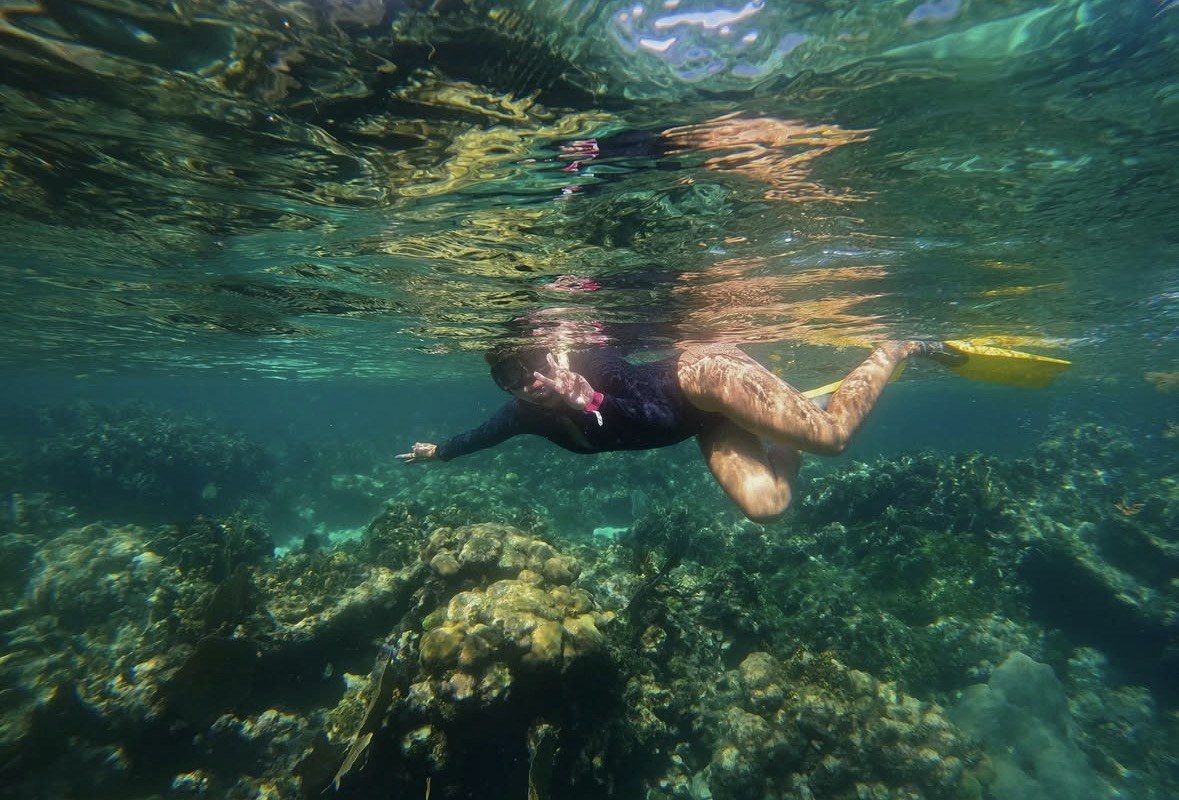
The reef worth snorkeling here is at the far east end of the horseshoe, known locally as the Shark Cages: two rows of concrete and rock running out from shore. You get in and out through the gap between them. Do not climb or swim over the structure, and do not shortcut across it on the way out when you are tired.
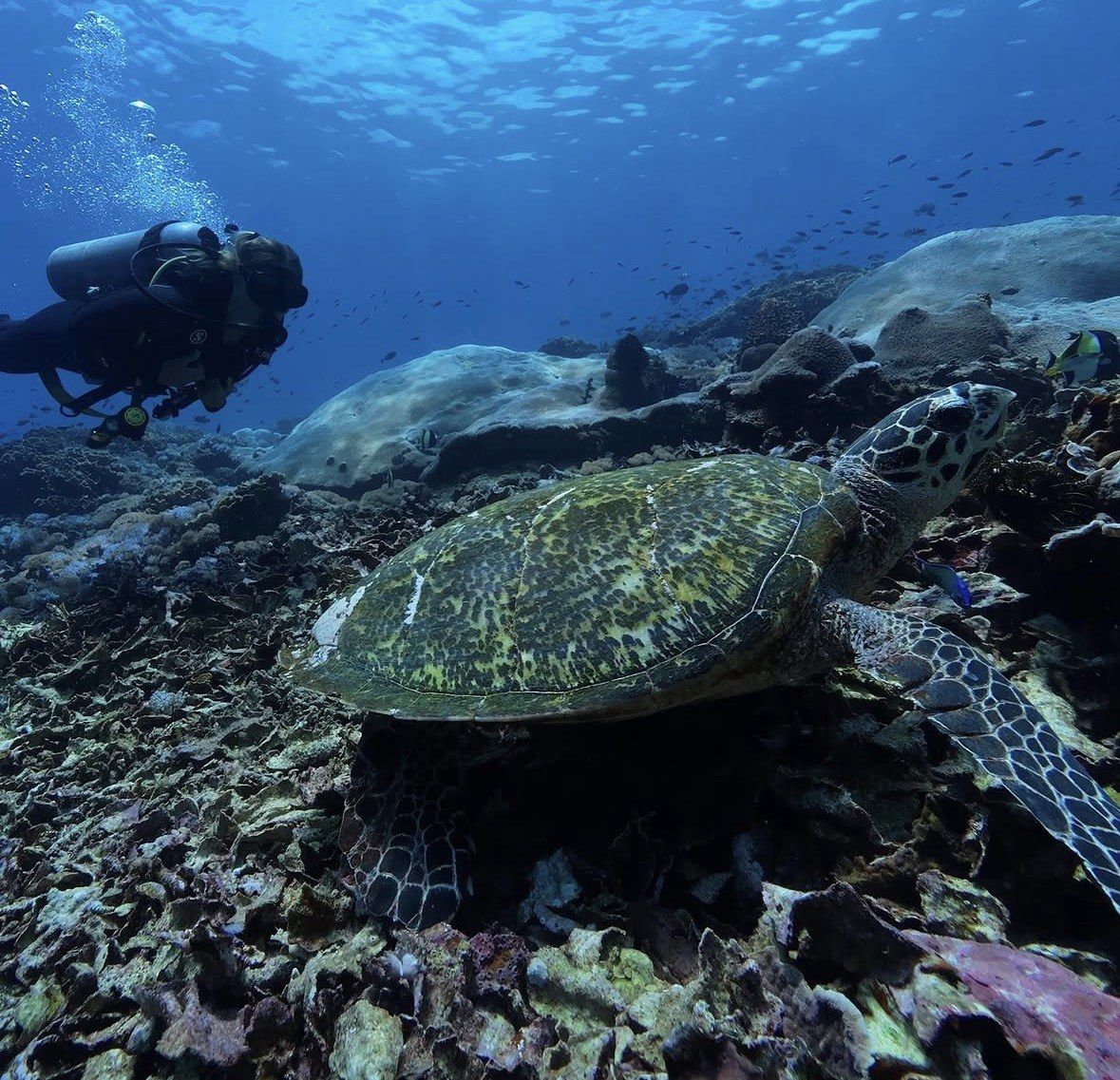
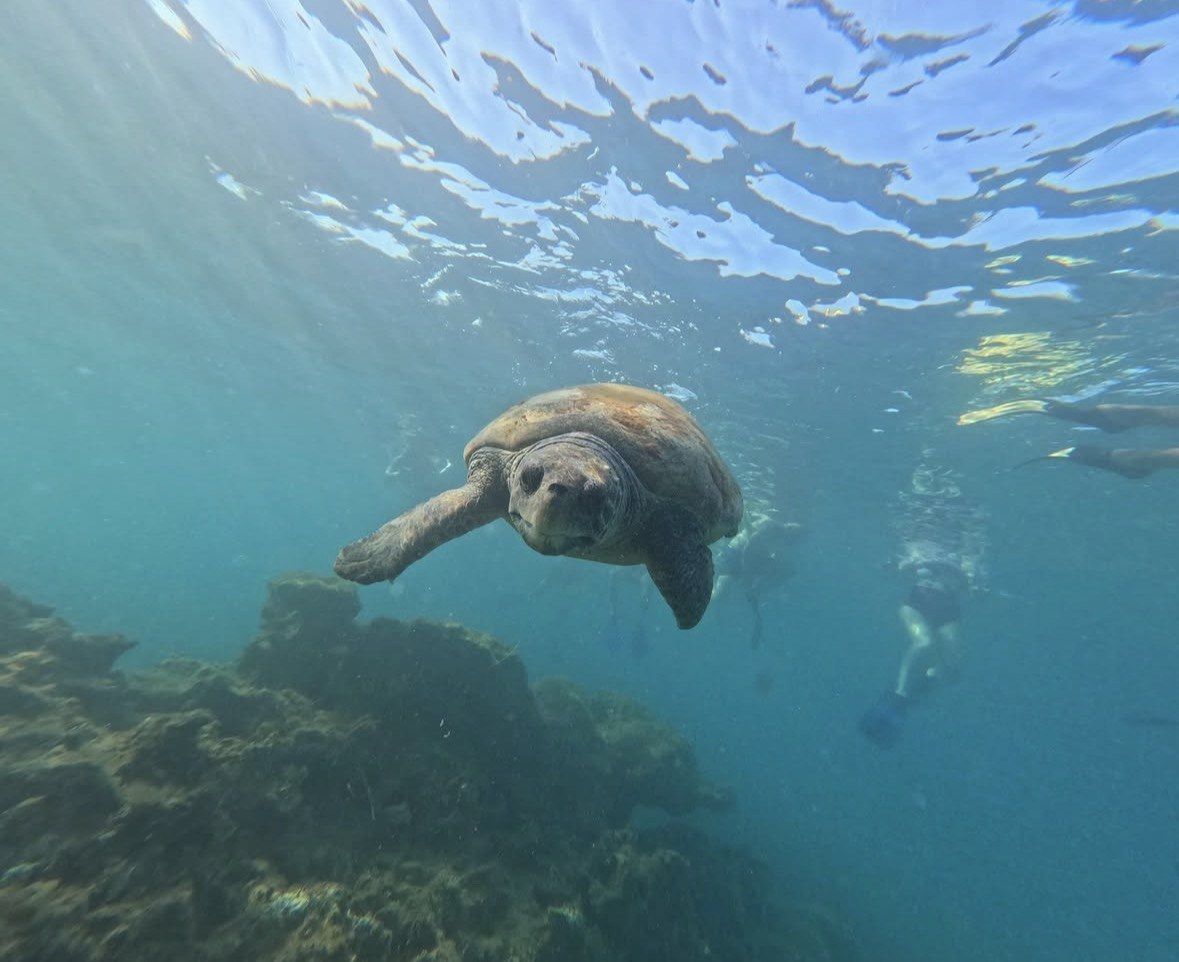
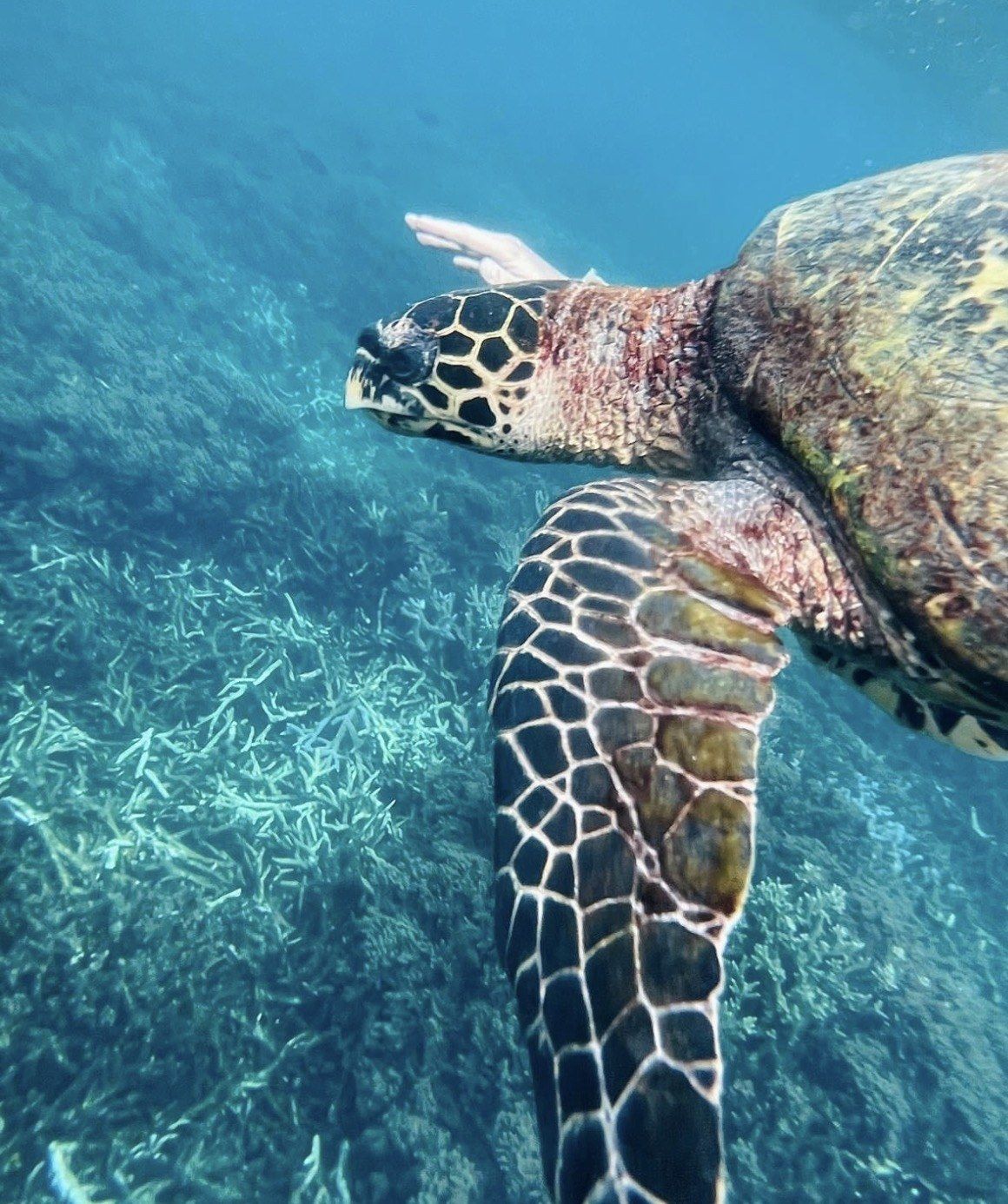
Get in early. Trade winds build through the day, so the water at the point at nine in the morning is not the water you will find at two in the afternoon. Keep hands, feet and fins clear of the coral; the lightest touch damages it. Stay off the seagrass as well, since all of Culebra's seagrass beds are designated critical habitat and standing on them is prohibited. If a turtle shows up, hold at least 50 yards back, the distance in NOAA's viewing guidance, and no touching, riding or petting.
From shore you get this one reef at one end of a long beach. Carlos Rosario and the cay reefs sit elsewhere and need a boat, a kayak or a water taxi, which is what the day trips listed here cover.
The ordnance warning at the Carlos Rosario trailhead
The trail that leaves the back left corner of the Flamenco parking lot for Carlos Rosario carries a refuge sign about unexploded ordnance left from the island's Navy-era bombing ranges, with use of the trail at your own risk. Stay on the established path, keep children with you, and leave anything metal where it lies. Rocks and thorns along the route are a second argument for closed shoes.
Past the tanks, the headland is off limits: the Flamenco peninsula and the cays alongside it stay closed to the public, which is how the sooty tern colonies nesting there are left alone. Refuge land and trails are open daily from 6:00 AM to 6:00 PM, so if you do walk over to Carlos Rosario, set off early and carry water: there are no facilities at that beach and currents run strong in places.
Flamenco as a beach day, or a boat day with more reef
For a day of the tanks, the sand, the kiosks and one swim at the east end, Flamenco covers all of it in one place, with lifeguards and showers that no other snorkel beach on the island has. Snorkel the Shark Cages gap in the morning, then walk west to the tanks around midday, once the wind has roughed up the water anyway.
If you came for reef, book a boat and keep Flamenco as the land half of the day. The 10-hour ferry-based trip, from $146 and rated 4.7 from 1529 reviews, bundles round-trip Ceiba to Culebra ferry tickets plus entry admission, a Flamenco Beach visit with its entry admission, snorkel gear with mask, fins, snorkel and flotation belt, guided interpretive snorkeling with opportunities to swim with sea turtles, ground transportation around the island, snacks and refreshments and a digital photo album. Lunch is not included and is bought on Culebra. The day starts at the ferry boarding area, where your guide is waiting out front.
If the Navy story and the marine side interest you equally, take the 7-hour full day with lunch, from $168 and rated 4.8 from 384 reviews. Interpretation is the whole point of this one: the surroundings, the marine life and the history of Culebra, handled by a crew that carries a USCG-licensed captain, a professional snorkel guide and a Certified Interpretive Marine Biologist. Lunch, snacks, drinks, paddle boards and all fees and taxes sit inside the price. Check-in and the waiver want you there 45 minutes ahead; the building is sometimes still locked at that hour, so stay in the car until the crew appears. Cancellation terms are identical on both trips: a full refund when you cancel at least 24 hours before the scheduled departure time.
- No car and one day from the mainland: the 10-hour ferry trip, from $146, with Flamenco admission and island transport included
- Want the history and the biology explained: the 7-hour interpretive day, from $168, rated 4.8 from 384 reviews
- Either way, book before you travel in the December to March high season
Questions people ask
How do I get from the ferry dock in Dewey to the tanks?
Flamenco sits about 2.5 miles from Dewey over a hilly route, so take a golf cart, an e-bike or a taxi. Shared taxis from the ferry dock cost about $5 per person each way, and walking it is not practical because the road has no sidewalks. From the parking lot, the tanks are a walk west along the sand and then a short trail over rock.
Can I walk out onto the Flamenco peninsula behind the tanks?
No. The Flamenco peninsula and the cays beside it are closed to the public year-round for the nesting sooty terns, estimated at 30,000 to 40,000 pairs, along with around 800 pairs of brown noddies. The tanks sit on the beach itself, so reaching them takes you nowhere near a closed area.
Is there anywhere to see Navy-era objects indoors on Culebra?
The Culebra Historical Museum, El Polvorín, occupies a former U.S. Navy World War II ammunition depot and shows wartime artifacts alongside exhibits on the Taíno people, sea turtle conservation and the island's natural history. No official opening hours or admission price are published, so ask locally or at your lodging before you head over.
Are the tanks a good spot to get into the water?
Do your swimming at the east end of the beach, where the reef is and where the entry and exit runs through the gap between the two rows of concrete and rock. The west end around the tanks is rocky walking ground. Flamenco is also the only snorkel beach on Culebra with lifeguards, and they cover the main stretch of sand.
Do the snorkel trips on this site include Flamenco Beach admission?
The 10-hour ferry-based trip from $146 lists a Flamenco Beach visit with entry admission, along with round-trip Ceiba to Culebra ferry tickets plus entry admission, snorkel gear, guided interpretive snorkeling, ground transportation around the island, snacks and a digital photo album. You buy your own lunch on the island, as it sits outside the price. Refunds are full if the cancellation comes at least 24 hours before the scheduled departure time.
Read also