In shortZoni Beach closes out PR-250 on Culebra's east side, about 9.0 km (5.6 mi) from the Port of Culebra pier in Dewey. The sand is long and usually deserted, facing open water toward Isla Culebrita, Cayo Norte and St Thomas. There is no lifeguard, and this coast lies outside the sheltered Luis Peña reserve water, so snorkeling here depends entirely on the day's wind and swell.
5.6 mi (9.0 km)PR-250 pier to Zoni
NoneLifeguards at Zoni
from $1686-hour snorkel boat day
4.7 ★ (1083)Rating of that tour
Zoni Beach Culebra sits where PR-250 ends
PR-250 is the island's main and longest road. It starts at the Port of Culebra pier near Dewey's town square and runs about 9.0 km (5.6 mi) east before it dead-ends at Zoni, so this is the one beach on Culebra you reach by driving the full length of a highway until there is no more highway.
What you get at the end is sand and open water. Playa Zoni faces out toward Isla Culebrita, Cayo Norte and St Thomas, and local sources describe it as usually deserted, which is the honest appeal: space, horizon and the outer cays lined up in front of you.
The character is nothing like the snorkel bays on the other side of the island. Those bays owe their flat water to geography Zoni does not have: the Canal de Luis Peña Natural Reserve lines the leeward southwest from the Flamenco Oeste peninsula down to Punta de Vapor, and 342 acres of refuge cay at Cayo Luis Peña stand offshore to take the swell first. Zoni has open sea in front of it instead.
- Position: far east side, at the dead end of PR-250
- In view across the water: Isla Culebrita, Cayo Norte, St Thomas
- Lifeguards: Flamenco is the only Culebra snorkel beach with them; Zoni, Melones, Tamarindo, Carlos Rosario and Punta Soldado have none
- Reserve status: the no-take Luis Peña reserve water runs along the southwest coast
The drive east, and what to drive it in
You cannot bring a mainland rental car over. The ferry loads vehicles only when they belong to a Vieques or Culebra resident, so the car you would want for a 5.6-mile run east stays behind in the Ceiba terminal lot at about $15 per day, with a shuttle running continuously between the lot and the gate. Transport for the east end gets arranged once you are on the island.
No official source publishes the surface condition of the final approach to Zoni, or whether there is a formal parking area at the end, so ask at the rental desk before you commit the afternoon to it. The local rental operator lists 4x4 Jeep Wranglers, Ford Bronco Sports, minivans and a Ford F-150 alongside four- and six-passenger golf carts described for in-town driving, which tells you which of those two categories is meant for a long run out of town. It has its main office on Carr. #250 and a second at the airport on PR-251, opens seven days a week and takes bookings on (787) 742-3514.
Taxis and públicos work on Culebra, but the only fare on record is the shared run from the ferry dock to Flamenco at about $5 per person each way. There is no published tariff for the east end, so agree the price and, more importantly, the pick-up time with the driver before you get dropped at a dead end with no kiosk and no shade guaranteed.
Two other east-coast beaches branch off the same road, and both need legs rather than wheels. For Playa Brava you stay on PR-250 heading east, take the left after the cemetery and walk downhill from there; between April and June it may be shut for sea turtle nesting. Playa Resaca starts where the road ends just east of the airport and involves a strenuous scramble through mangrove and boulder terrain, with reef that makes swimming hard work. Both sit on refuge land, which runs a 6:00 AM to 6:00 PM day for public areas and trails, so the clock rather than the distance is what rules out a late detour on your way back from Zoni.
Book reef time on a morning boat day
Because snorkeling at Zoni depends on the day's wind and swell, put the underwater half of your trip on this 6-hour all-inclusive day from $168, which starts at 8:00am with gear, drinks and a light lunch included.
★ 4.7/5 · 1,083 reviews
Zoni beach snorkeling and what it actually depends on
Pack a mask for Zoni, then build the day around the sand. An east-facing beach meets the trade winds first, and they strengthen as the hours pass; the coves that stay out of them face southwest, which is how Melones, Tamarindo and Carlos Rosario ended up with the snorkeling reputation. No official source publishes Zoni's wind and swell pattern by season, or a reef you can reliably reach from the sand, so look at the water when you arrive and get in only if it looks like a swimming day.
There is no lifeguard at Zoni. Borrow the island dive shop's entry requirements as your yardstick on an unsupervised beach like this one: you swim unassisted or you stay out, nobody under six is taken snorkeling, and anyone under 18 needs a parent or guardian present plus written consent.
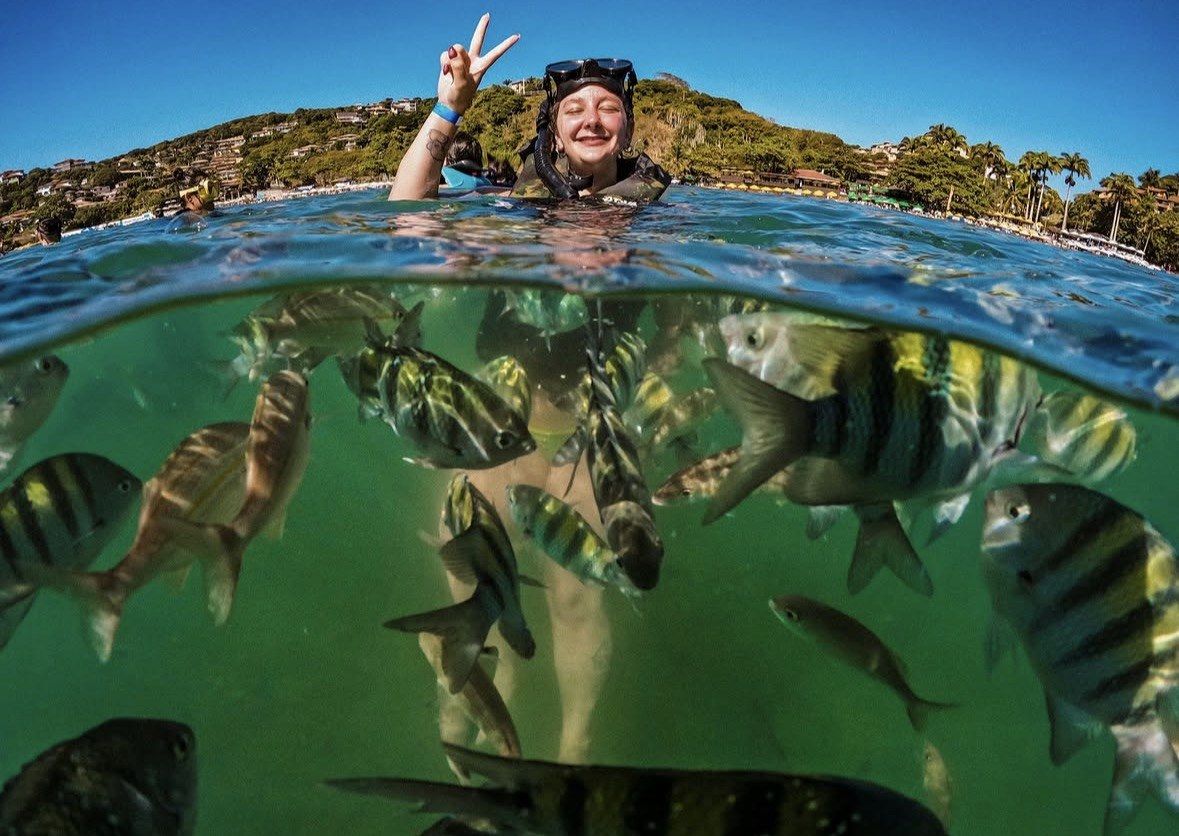
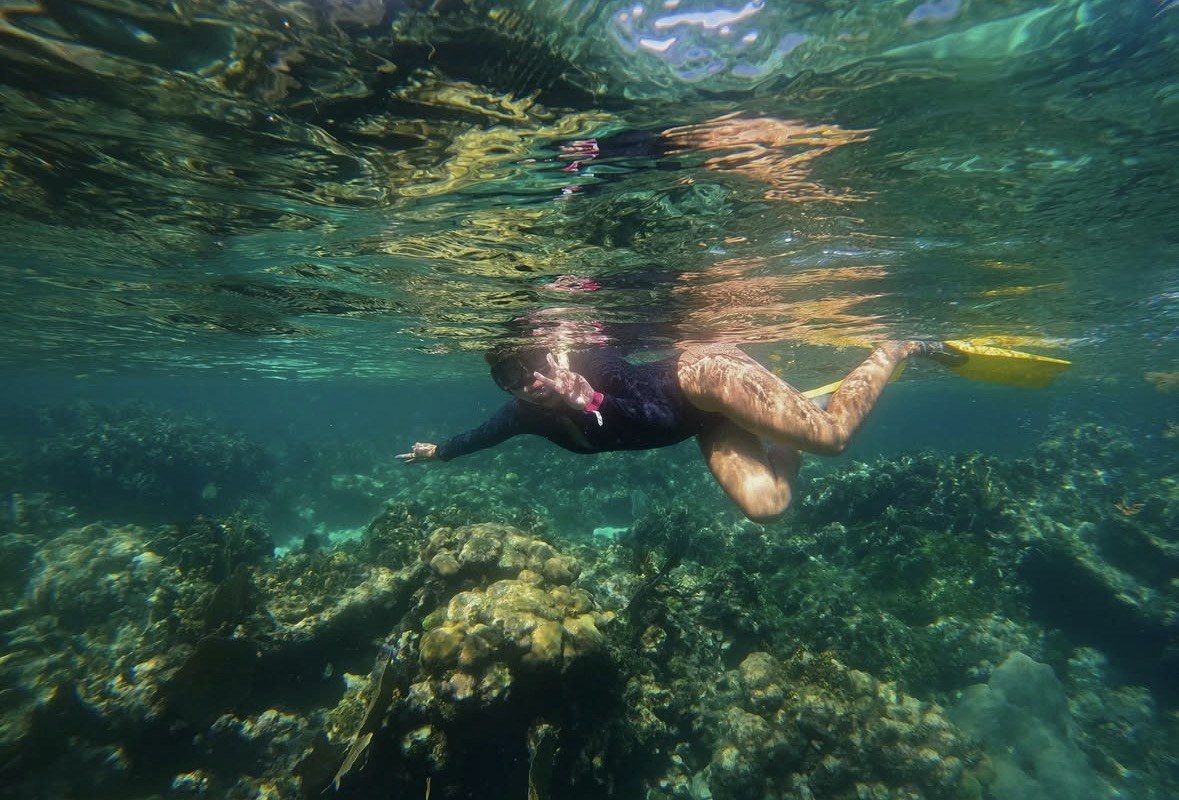
Gear for a shore day comes from the shop across from the ferry terminal, open Monday to Saturday, 9 AM to 4 PM, and it takes walk-ins with no reservation: $20 per day for a mask, snorkel and fins set, $25 if you add a vest, and $16 per day once the rental reaches five days or more. When reef time is the point of the trip rather than a long walk on empty sand, put that session on the southwest side in the morning, or put it on a boat.
Turtles nest on this sand
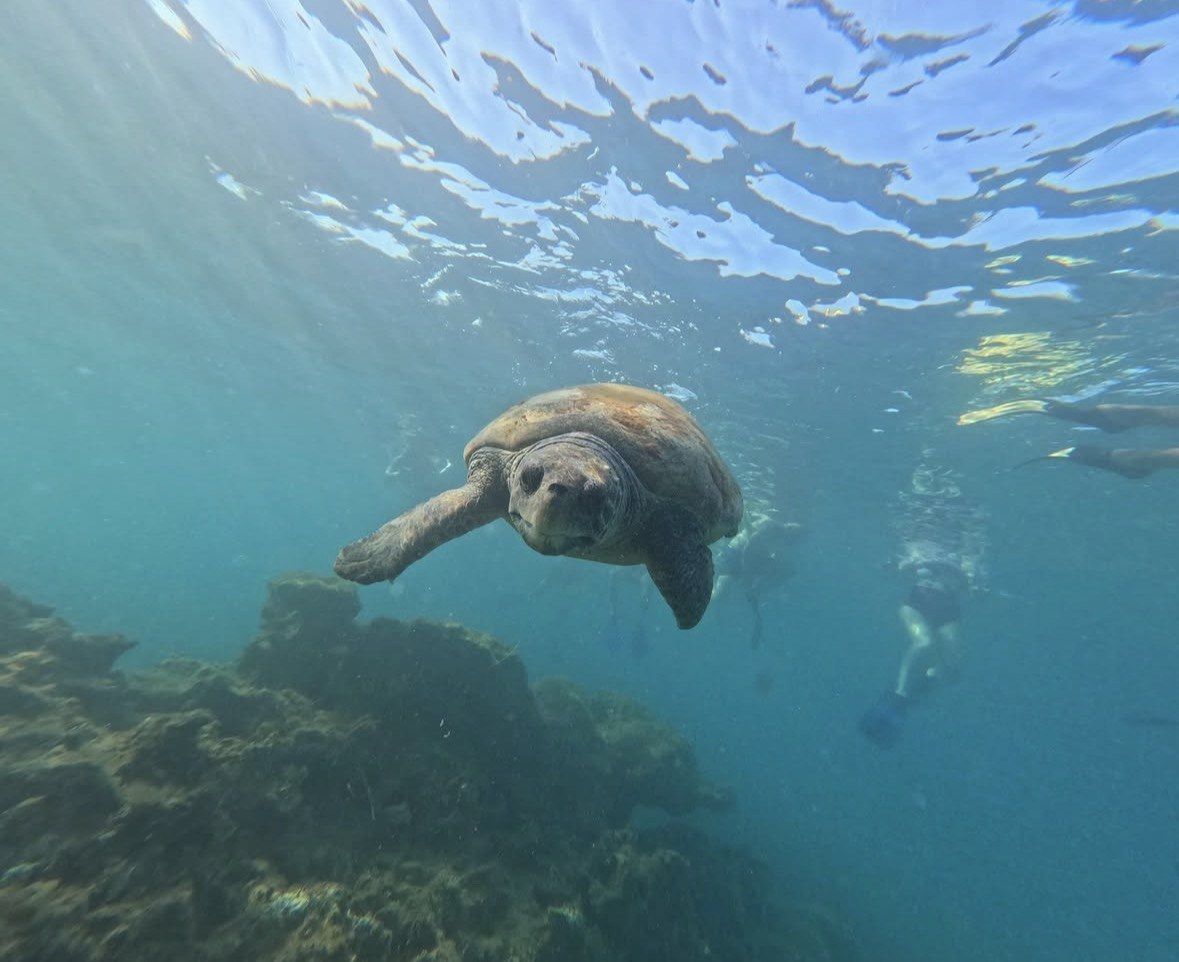
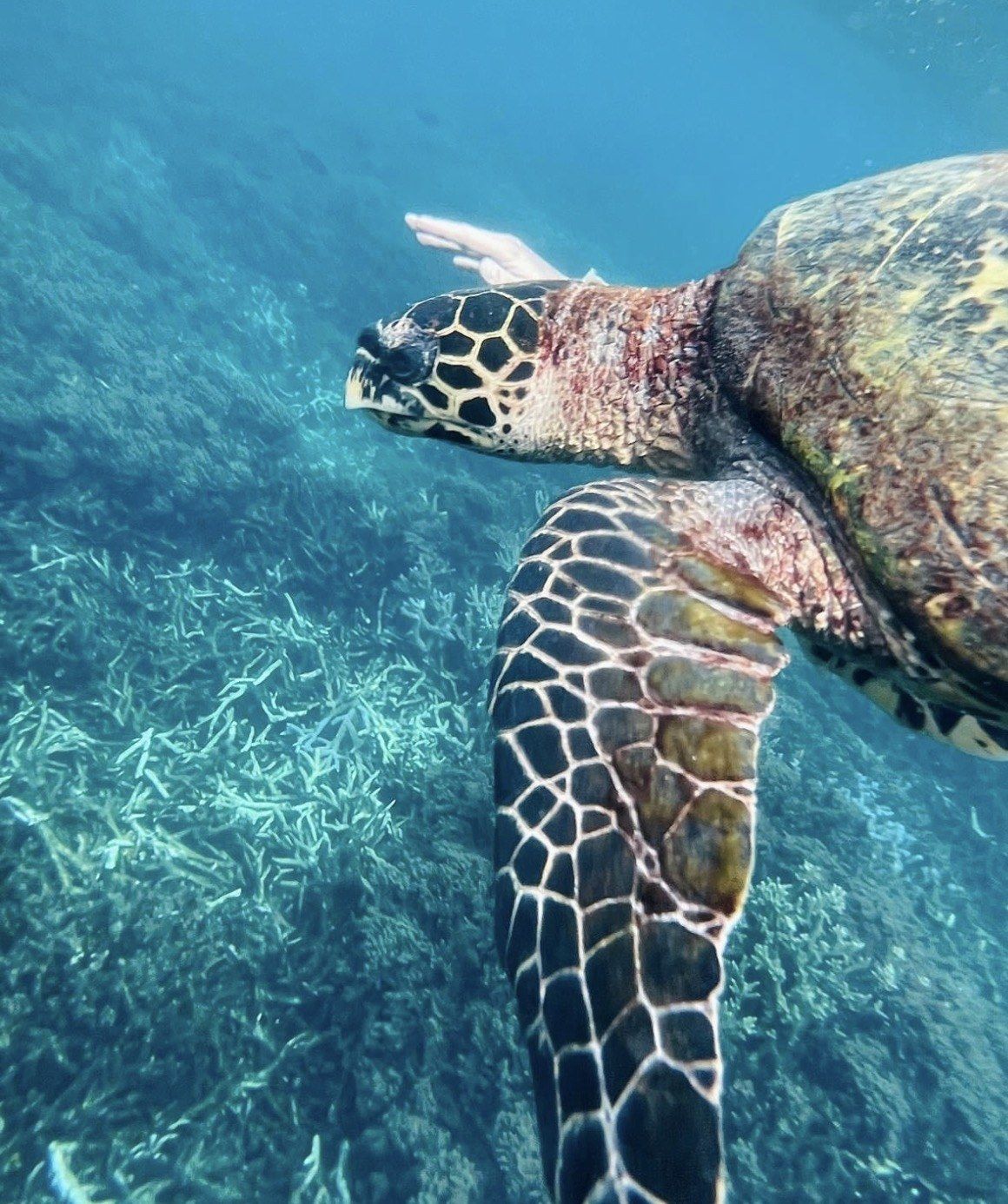
Hawksbill, green and leatherback sea turtles are all listed among the wildlife of Culebra National Wildlife Refuge, and the east coast is where the nesting sensitivity shows up most clearly in the rules: Playa Brava, the next beach along the same road, may be closed from April to June for nesting. Nothing published confirms a seasonal closure at Zoni, so if you find signage or tape at the back of the beach on the day, that is the instruction that counts.
Keep your walking to the firm sand near the water and leave the dry upper beach and its vegetation alone. Carry out everything you bring in, because no source confirms any bins, restrooms or kiosks out here.
In the water the rules are the same across the island. If a turtle appears, NOAA's viewing guidance puts the distance at 50 yards or more, with no touching, no riding and no petting. Seagrass right across Culebra carries critical habitat designation for endangered species, which puts standing on it or dragging fins through it off limits, and the reef guidance for the island sets the bar at any contact at all: a hand, a foot or a fin landing lightly on coral is enough to damage it. Nothing may be removed from inside the Luis Peña reserve on the other coast, shells and coral fragments included, and that is the right habit to carry over here.
Take the long drive, or keep the day on the protected side
Drive out to Zoni when the beach itself is what you want: distance from everyone, a long line of sand, and the cays across the channel. Go in the morning while the wind is still light, carry your own water, and plan the drive back with the 6:00 PM refuge closing in mind if you are adding either of the hiking beaches to the trip.
Skip it on a day when your one priority is reef. East Culebra beaches give you scale and emptiness; the snorkeling lives on the southwest shore and on the cays, and the best of those are not road-accessible at all. Reaching Carlos Rosario means leaving the car at Flamenco and walking out of the back left corner of the lot, just under a mile over an exposed hill in 20 to 30 minutes, past a refuge sign about unexploded ordnance from the Navy-era ranges and a notice that the trail is used at your own risk. Nothing waits at the far end by way of facilities, and currents there can be strong in places.
Isla Culebrita, the island filling your view from the Zoni sand, is about 5 miles off and reachable only by boat. Nobody is on duty there and nothing is built for visitors; the 19th-century Spanish-era lighthouse cannot be entered, because the structure is damaged. Getting out there takes a boat day of its own.
- Beach day, no snorkeling expectations: drive PR-250 to the end, early
- Shore snorkeling: Melones off PR-252, or Tamarindo off PR-251, before 10 AM
- Reef and clear water: book a boat day instead of hoping for conditions at Zoni
- Hiking the east coast: start early, refuge land and trails close at 6:00 PM
The boat day that covers the reef the east end does not
The Culebra Snorkeling and Beach Day Tour All Inclusive listed on this site runs 6 hours from $168 and holds a 4.7 rating across 1083 reviews. The price covers the snorkel kit, non-alcoholic drinks and rum drinks, and a light lunch built around cold-cut sandwiches with fresh fruit, chips and dips. Tips are left to you.
Meeting time is 8:00am, which is the part that matters most on this island: you are over reef while the water is still flat, instead of negotiating a mid-afternoon chop. Park along the side of the road or in the private parking lot, cross the street, and look for the gray gazebo with the orange roof in front of the parking lot where the staff wait. Cancelling 24 hours or more ahead of the scheduled departure time returns the full amount.
Questions people ask
How far is Zoni Beach from Dewey and the ferry dock?
Zoni sits at the eastern dead end of PR-250, about 9.0 km (5.6 mi) along that road from the Port of Culebra pier beside Dewey's town square. No official source publishes a driving time for that stretch, so allow for the full length of the island's main road plus hilly ground, and work out your return before you set off.
Are there restrooms, kiosks or shade at Playa Zoni?
No official or primary source lists restrooms, food kiosks or natural shade at Zoni, so plan as if there are none: water, a hat and your own shade. The facilities on Culebra are at Flamenco, where restrooms and showers run 7 AM to 6 PM and the food kiosks roughly 8 AM to 5 or 6 PM.
Can I reach Culebrita from Zoni Beach?
Not on foot or by road. Culebrita lies about 5 miles off Culebra and is reachable only by boat, with no facilities and no lifeguards once you land. Local water taxis run day trips there for $55.00 per person, or $30.00 per child under 10, in fixed windows of 8:00 am to 2:00 pm, 10:00 am to 3:00 pm and 11:30 am to 4:30 pm, with chairs, umbrella, snorkel gear and a paddle board included; cancellations are refundable only 48 hours ahead.
When is the best time of year for the east end of Culebra?
Aim for December to March: that is the island's dive and snorkel high season, the months with the steadiest sea state, and the window in which operators fill up first, so book well ahead. May to October is quieter and easier to get a seat in, with the caveat that it sits inside the official Atlantic hurricane season of 1 June to 30 November, whose climatological peak falls on 10 September. Anyone whose plan hinges on a boat should leave the first half of September alone.
Is Zoni inside the protected reserve water?
No. The no-take water is all on the opposite coast: the Canal de Luis Peña Natural Reserve, designated on 11 June 1999, takes in roughly 4.8 square kilometres (1,208 acres) of the southwest shoreline from the Flamenco Oeste peninsula to Punta de Vapor, and the sheltered snorkel beaches of Melones, Tamarindo and Carlos Rosario all sit along that stretch. Zoni faces the open Atlantic on the other side of the island. The refuge land and cays around the island, 1,510 acres across 21 offshore cays, are a separate federal holding with public areas open daily 6:00 AM to 6:00 PM.
Read also