In shortMelones sits on Culebra's sheltered southwest coast, close enough to Dewey to walk: take PR-252 northwest from the Port of Culebra pier for 1.5 km (0.93 mi), then the municipal road. The beach itself is rocky, with subtropical forest behind it, and the water in front belongs to the Canal de Luis Peña no-take reserve. No lifeguard works here. Gear rents walk-in at $20 a day.
0.93 mi (1.5 km)PR-252 from the pier
$20/daymask, snorkel and fins
1,208 acresno-take reserve offshore
from $1686-hour boat snorkel day
Getting to Melones from Dewey
You can reach Melones on foot from the ferry gate. The Culebra terminal stands on Calle Pedro Márquez at the western end of PR-250, and the road that matters from there is PR-252: it runs northwest for 1.5 km (0.93 mi) from the Port of Culebra pier and ends where the municipal roads to Quintas de Culebra and to Melones Beach take over. The beach is within walking distance of town, which is how people who land without a cart still get a session in on their first afternoon.
No official source publishes a parking area, surface or capacity for Melones, so plan on leaving a golf cart or jeep along the municipal road rather than in a managed lot. Renting on the island is easy enough: jeeps, minivans and four- and six-passenger golf carts go out seven days a week, and públicos and taxis work from the dock. Your mainland rental car stays behind. Vehicles load onto the public ferry only when they belong to a Vieques or Culebra resident, so the car sits in the Ceiba terminal lot at about $15 per day, with a shuttle running to the gate.
- Route: the western end of PR-250 at the pier, then PR-252 northwest for 1.5 km (0.93 mi), then the municipal road toward Melones
- On foot: the beach is within walking distance of Dewey, so you can get a swim in without a vehicle
- Gear: the shop opposite the ferry terminal opens Monday to Saturday, 9 AM to 4 PM, and takes walk-ins
- Parking: nothing formal is published for this beach, unlike Flamenco's managed lot at the end of PR-251
What the snorkeling at Melones is actually like
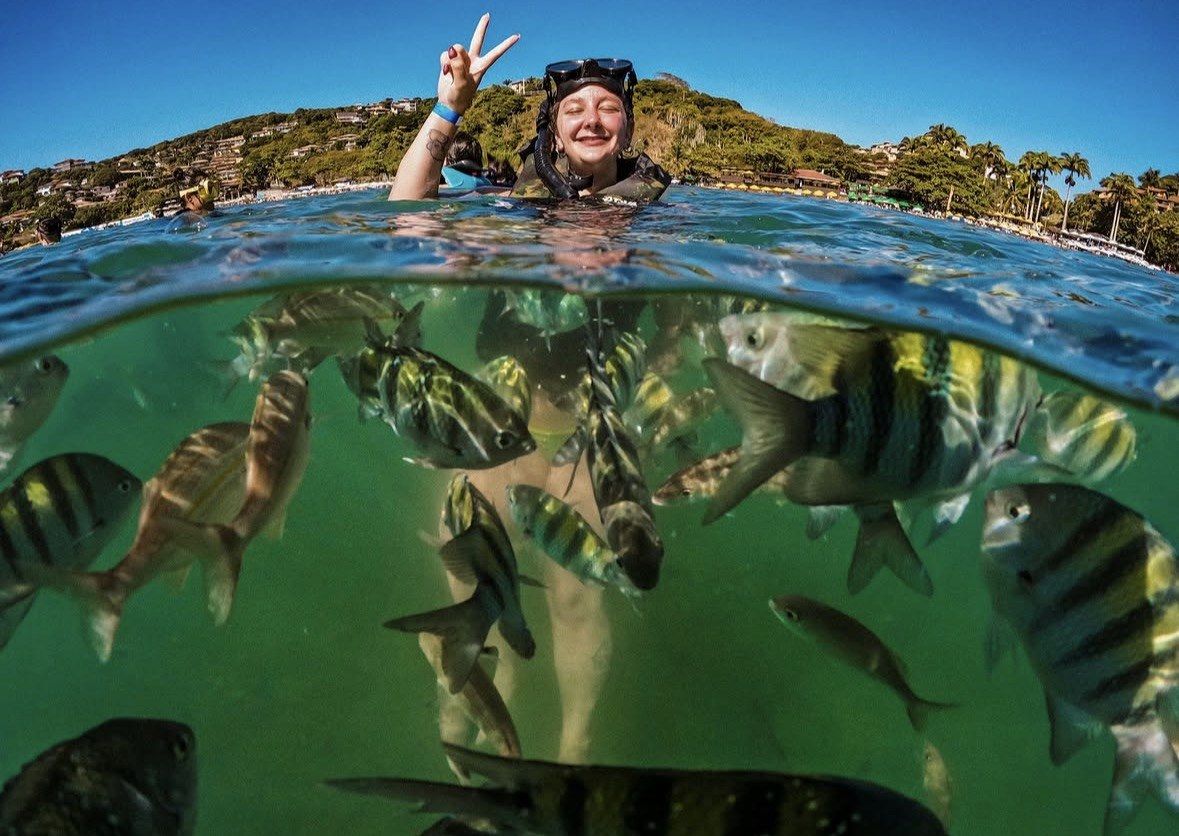
The bottom is rock. Melones is a rocky beach with subtropical forest behind it, and the entry is the part people get wrong: go in slowly, wear shoes you can swim in, and pick a line where you can put a foot down on bare stone or sand instead of on anything living.
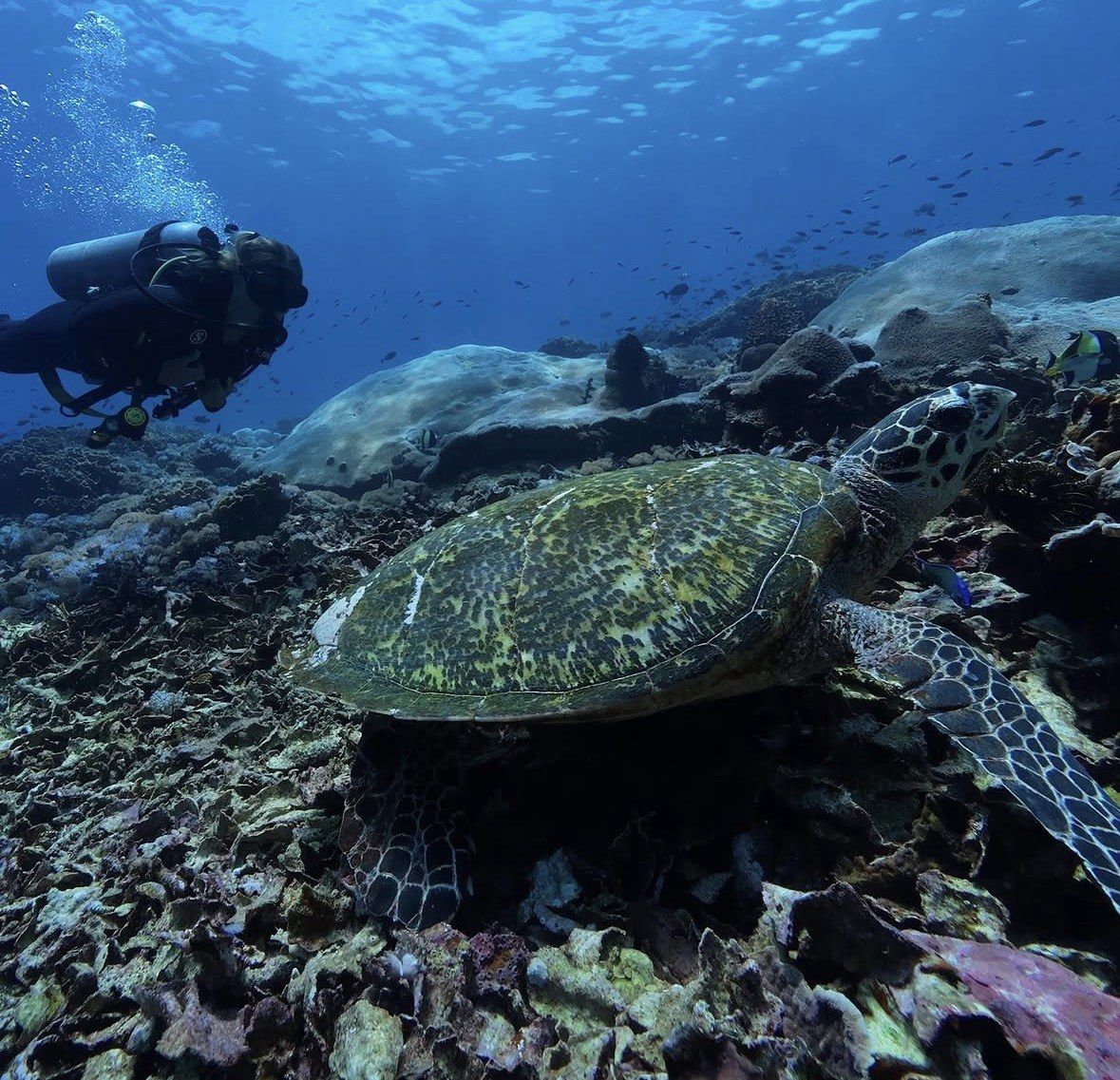
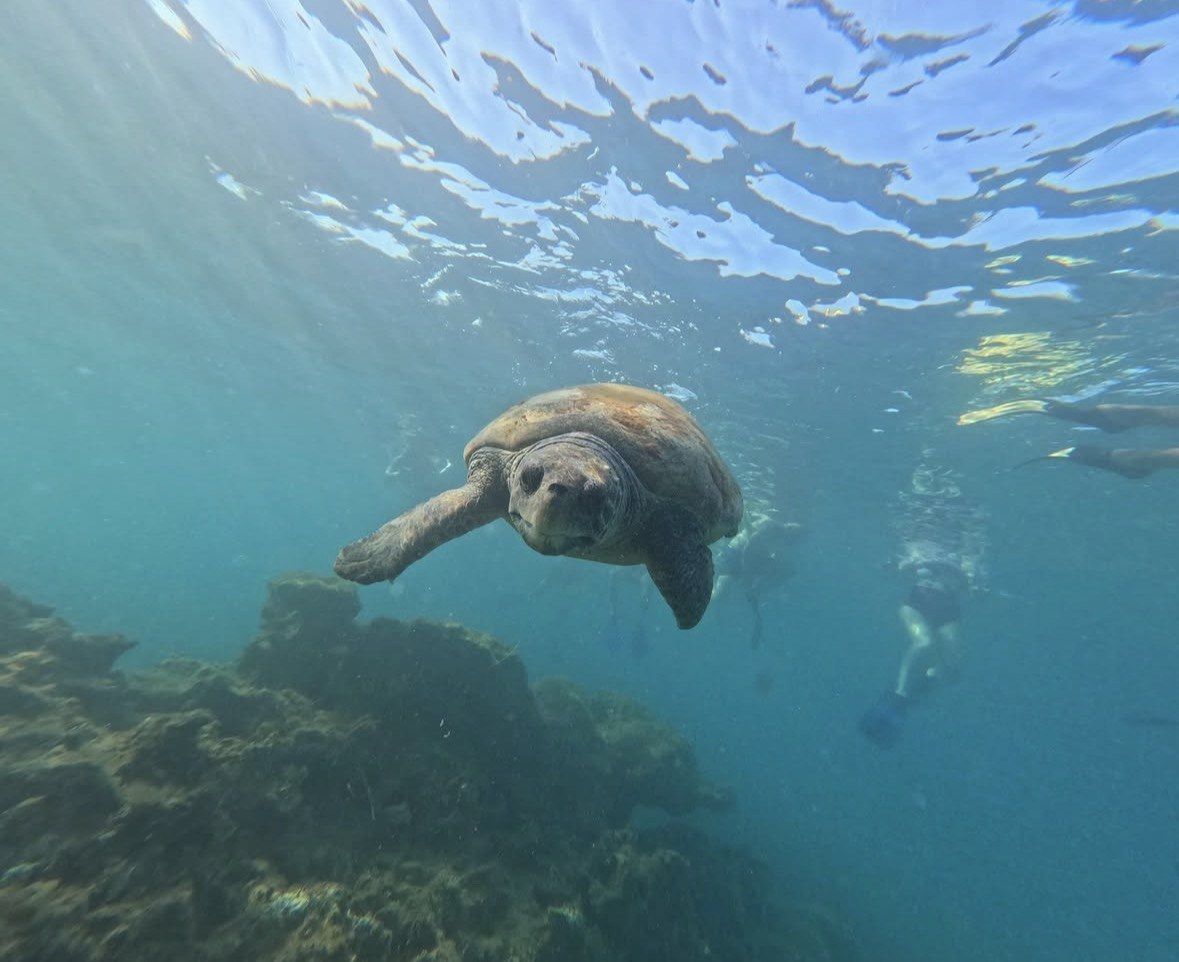
Fish hold on two kinds of ground. There are the rock and coral edges, where the structure drops away and fish stay close to cover, and there is the seagrass further out, designated critical habitat for endangered species and the exact place green turtles come to feed. No official source names one end of the bay as the better one. Swim the seam where rock gives way to grass and sand, keep your fins high over the grass, and let the bottom tell you where to spend your time.
Cayo Luis Peña, about 342 acres of federal refuge land, sits out in the channel ahead of you and takes the swell before it reaches this shoreline. Get in before 10 AM. The trade winds build through the day on Culebra, and a southwest-facing shore like this one is the only kind that holds its shelter once they do.
The reef beyond the shore
After a morning on the rock and grass at Melones, this 6-hour day from $168 takes you out over the offshore reef with gear, drinks and a light lunch, meeting at 8:00am while the leeward coast is still calm.
★ 4.7/5 · 1,083 reviews
The rules that apply the moment you are in the water
Swim out from these rocks and you are in protected water. Melones sits on the Canal de Luis Peña Natural Reserve, roughly 4.8 square kilometres (1,208 acres) of inland and maritime public domain that took an 18-year local campaign to secure before the designation came through on 11 June 1999. That puts the bay in front of you inside the first no-take marine protected area declared in Puerto Rico, with Puerto Rico's DNER closing the channel to fishing by administrative order in the same year. Nothing comes out of the water with you, shells and coral fragments included.
Shore snorkelers get caught by two of these rules, the seagrass and the coral. Standing on the grass beds or dragging fins through them is prohibited, and the reef guidance for Culebra is blunt about contact: the lightest touch of a hand, foot or fin can damage coral.
- Seagrass: swim over it with your fins high, and never stand on it or kick through it
- Coral: no contact of any kind, including a steadying hand for a photo
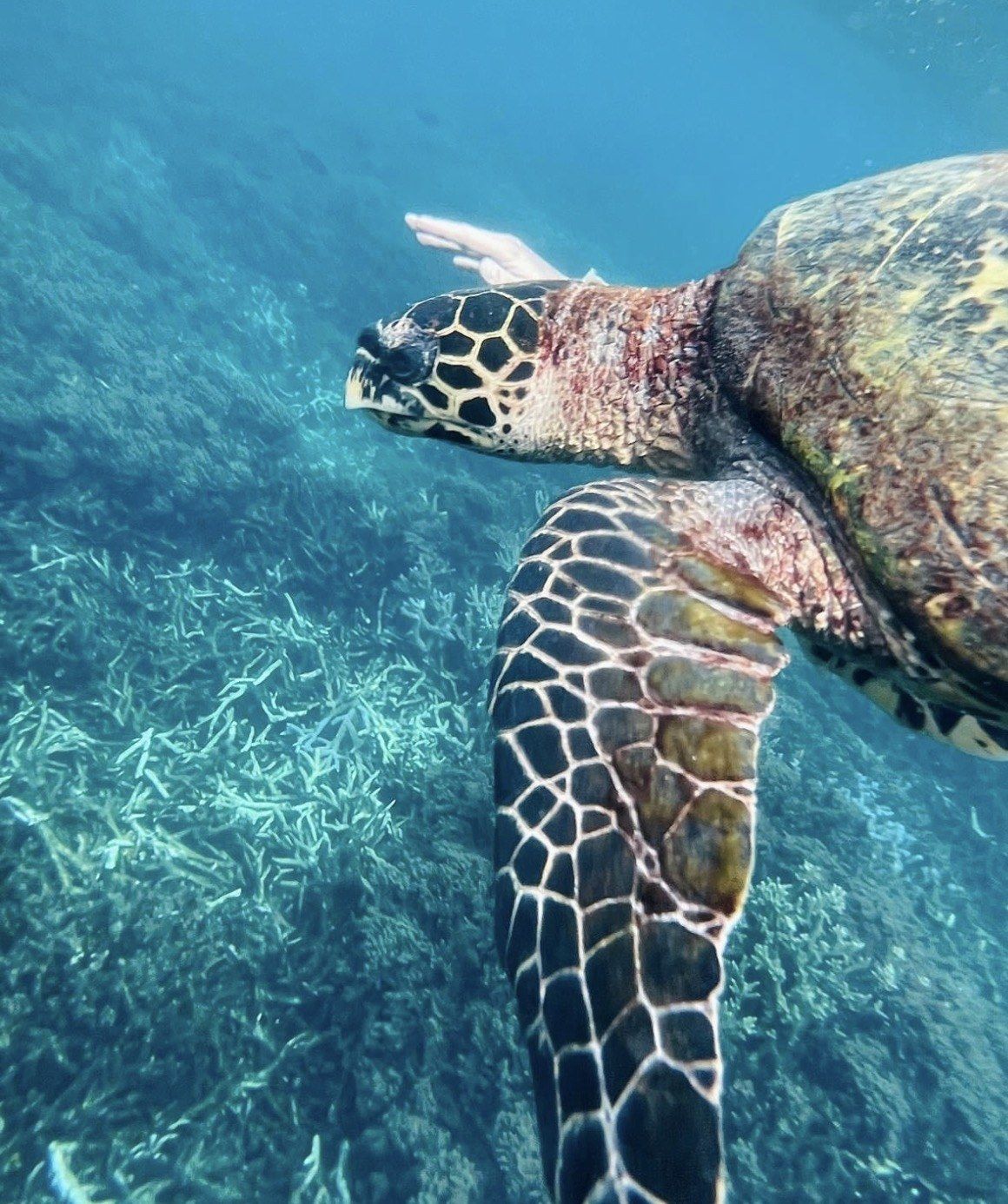
- Turtles: a green turtle grazing the grass here gets at least 50 yards of space under NOAA's viewing guidance, and touching, riding or petting one is off limits
- Fishing: prohibited inside the channel since the 1999 DNER order
- Boats on this coast: tie to mooring buoys instead of anchoring, and slow down near shore and in the shallows
No lifeguard here, so bring what you need
There is no lifeguard at Melones. Flamenco keeps the island's only lifeguards, and the rest of the snorkel beaches go without, Melones along with Tamarindo, Carlos Rosario, Punta Soldado and Zoni, so you are the one judging conditions. Borrow the island dive shop's admission rules as your test for who gets in off these rocks: unassisted swimmers only, nobody under six for snorkeling, and a parent or guardian present with written consent for anyone under 18.
Carry in whatever you expect to use. The shade comes from the subtropical forest behind the sand rather than from anything built, and no official source lists bathrooms or kiosks at this beach, so pack water, sun cover, a towel and a bag to take your rubbish back out. A mask, snorkel and fins set picked up on the way out of town costs $20 for the day, $25 if you add a vest, and falls to $16 a day once you keep it five days or more, which pays off if Melones becomes your morning habit. Melones is reserve water rather than refuge land, so the 6:00 AM to 6:00 PM opening of refuge public areas and hiking trails matters only for the other half of your week.
The last hour of light on the channel
Melones faces the leeward southwest, down the channel toward Cayo Luis Peña, so the end of the day happens in front of you instead of behind a ridge. That hour brings people who came for the view rather than the fish.
Snorkel in the morning anyway. By late afternoon the wind has had all day to work on the surface, nobody is watching the water, and you still have the walk back along the municipal road and PR-252 into Dewey. Do the swimming early, then return dry, with something to drink, for the light.
When the shore runs out of reef
A session at Melones gives you rock, turtle grass and whatever is working the edges. The reef Culebra is known for lies further out, off Cayo Luis Peña and at Carlos Rosario, where no road goes, and a shore day cannot hand you that. Give a boat day a slot in the trip and keep Melones for the early mornings.
Two of the trips listed on this site cover that water, and they split on food and on budget.
Eating vegan or gluten free points you to the 7-hour deli-buffet day: phone ahead to request the plate, since it costs $6 per person extra and has to be asked for in advance, and that trip also wants a $3 marine fee in cash at check-in. For the earliest start, while the leeward coast is still flat, take the 6-hour all-inclusive day, which meets at 8:00am at the gray gazebo with the orange roof in front of the parking lot. Both refund in full when you cancel at least 24 hours before the scheduled departure time, and gratuities are not included on either.
| Trip | Price | Duration | Rating | Included |
|---|
| Culebra Snorkeling and Beach Day Tour All Inclusive | from $168 | 6 hours | 4.7 (1083 reviews) | Snorkel gear, non-alcoholic beverages, rum drinks, light lunch of cold-cut sandwiches, fresh fruit, chips and dips; 8:00am meeting |
|---|
| Culebra Snorkel and Beach Day with Lunch and Drinks | from $162 | 7 hours | 4.6 (430 reviews) | Snorkel gear, bottled water, rum drinks, piña colada and soft drinks, deli buffet you build yourself, vegetarian pasta salad, fruit platter, chips and cookies; check-in at the dive shop suite, parking available |
|---|
Questions people ask
Is Melones the best choice for snorkeling near Dewey?
It is the closest water to town, reachable on foot along PR-252 and the municipal road, and it sits inside the Luis Peña reserve. For a second option on the same side of town, Punta Soldado is recommended locally for diving as much as for snorkeling, reached by PR-253 from the drawbridge south of Dewey and then Calle Punta Soldado at the end of Calle Fulladoza. Soft corals and sea anemones are what Tamarindo is known for, off PR-251 before the road climbs to Flamenco.
Do I need to book a boat trip before I arrive on Culebra?
Book ahead if your dates fall between December and March, the island's dive and snorkel high season; May to October is slower and easier to fill. Island-run boat trips are held with a credit card, and walk-on space is not guaranteed. On the trips listed here, cancel at least 24 hours before the scheduled departure time and the refund is full.
Can I bring my own snorkel gear over on the ferry?
Yes, though items carried aboard are charged separately: $2.00 for a beach cooler, $1.00 for a beach chair or umbrella, $2.00 for a bicycle, with one small hand-carry bag included per passenger. Ages 13 to 59 pay $2.25 for the one-way crossing. Be at the terminal one hour before departure, and remember boarding closes 10 minutes before sailing, so build the queue into your morning.
What time of year carries the most weather risk for a Melones day?
Ferries and small boats stay tied up most often inside the official Atlantic hurricane season, 1 June to 30 November, whose climatological peak falls on 10 September. A shore swim at Melones is less exposed than a boat day, since the southwest coast is the sheltered side. If a boat trip is the point of the visit, stay clear of the first half of September.
Read also