In shortA hull is the only way onto Culebrita: the cay sits about 5 miles offshore from Culebra, and the moment you step onto the sand you are somewhere with no facilities and nobody watching the water. Its only man-made structure is a 19th-century Spanish-era lighthouse, closed to the public because of the state of the building. The cay is federal refuge land, so nothing is removed and nothing is touched. Water taxis run fixed windows; booked boat trips add reef stops.
about 5 milesoffshore from Culebra
$55.00water-taxi day, per person
6:00 AM–6:00 PMrefuge areas open daily
from $1686-hour boat snorkel day
How to reach Culebrita island
The only way onto Culebrita island is by boat. It sits about 5 miles off Culebra, its one man-made structure is a Spanish-era lighthouse, and there are no facilities and no lifeguards once you are standing on the sand. Everything about the day is set by the boat that drops you and the boat that comes back for you.
Water taxis out of Culebra work the cay on fixed windows. One local operator prices a Culebrita day at $55.00 per person, or $30.00 for a child under 10, with three slots: 8:00 am to 2:00 pm, 10:00 am to 3:00 pm and 11:30 am to 4:30 pm. That rate takes in beach chairs, a beach umbrella, snorkel gear and a paddle board, plus a courtesy pick-up from the airport, the ferry terminal or your lodging if you have no car. The cancellation terms are strict: money back only if you cancel 48 hours ahead, nothing at all on the day, and payment due in full once the booking is confirmed.
A booked snorkel boat is the other way to spend the same hours of daylight. It does what a drop-off cannot, stringing several stops together in one run with gear, lunch and drinks on board. The trips listed on this site start from $162 for 7 hours and from $168 for 6 hours, and each one is refunded in full if you cancel at least 24 hours before the scheduled departure time.
Catamaran day from Fajardo, from $180
If you are coming from the Fajardo side with a car, this 6-hour catamaran day covers lunch, drinks and snorkel gear and meets at Puerto del Rey Marina 45 minutes before departure, with parking near the boat.
★ 4.6/5 · 2,722 reviews
Playa Tortuga and the Culebrita tide pools
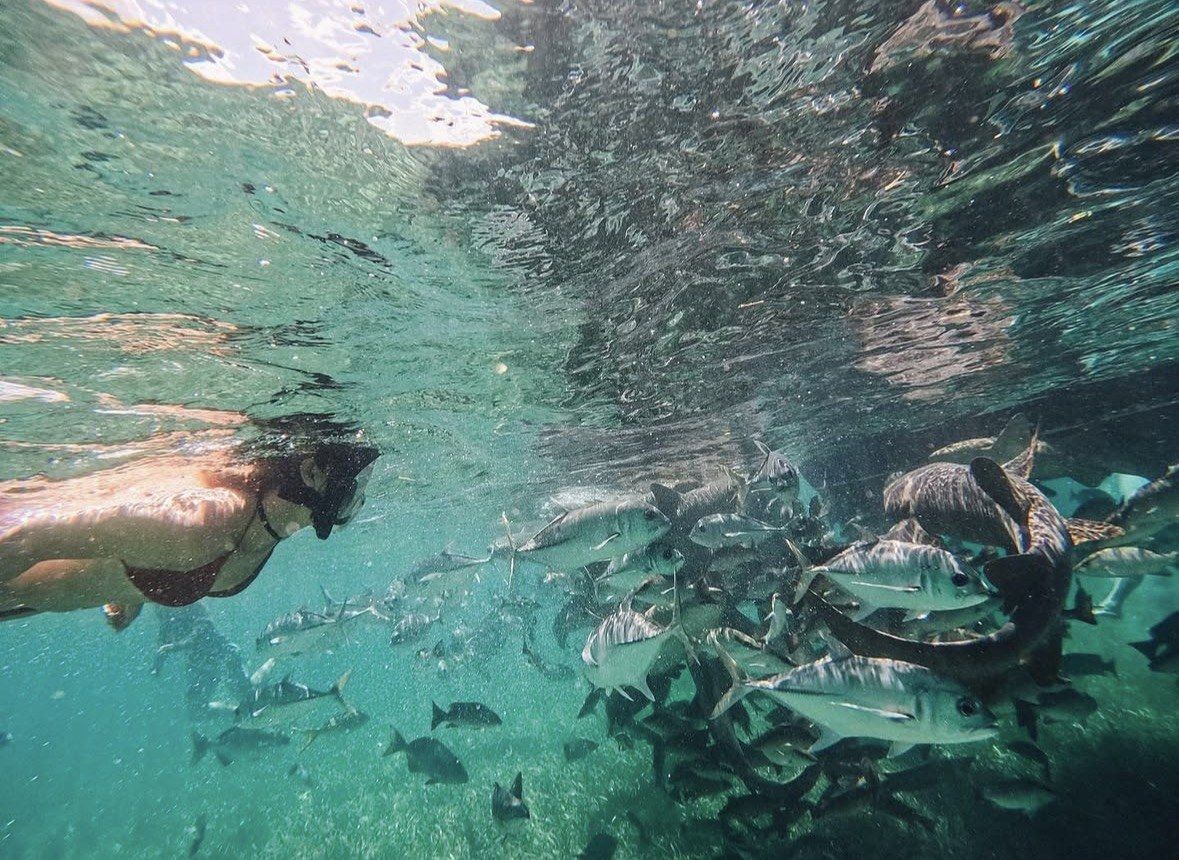
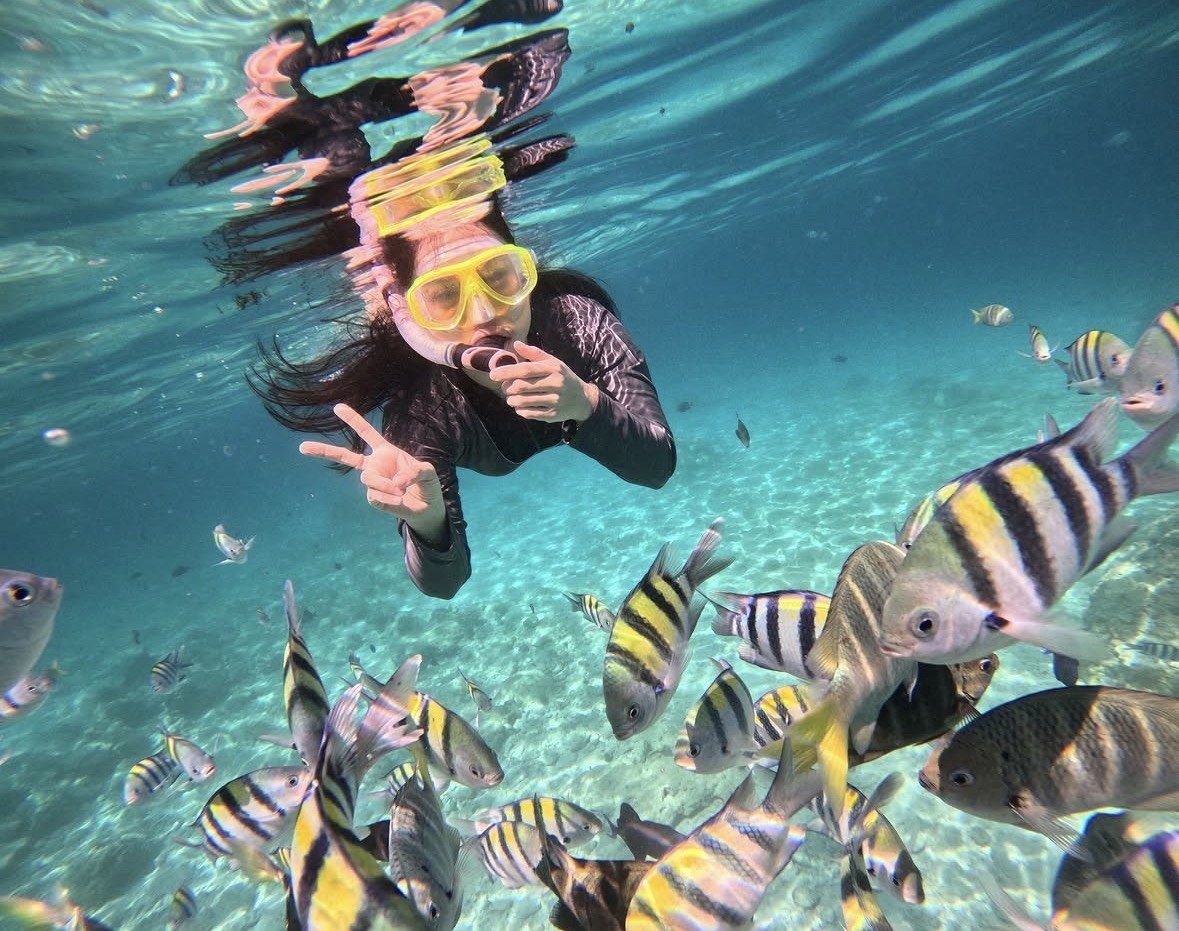
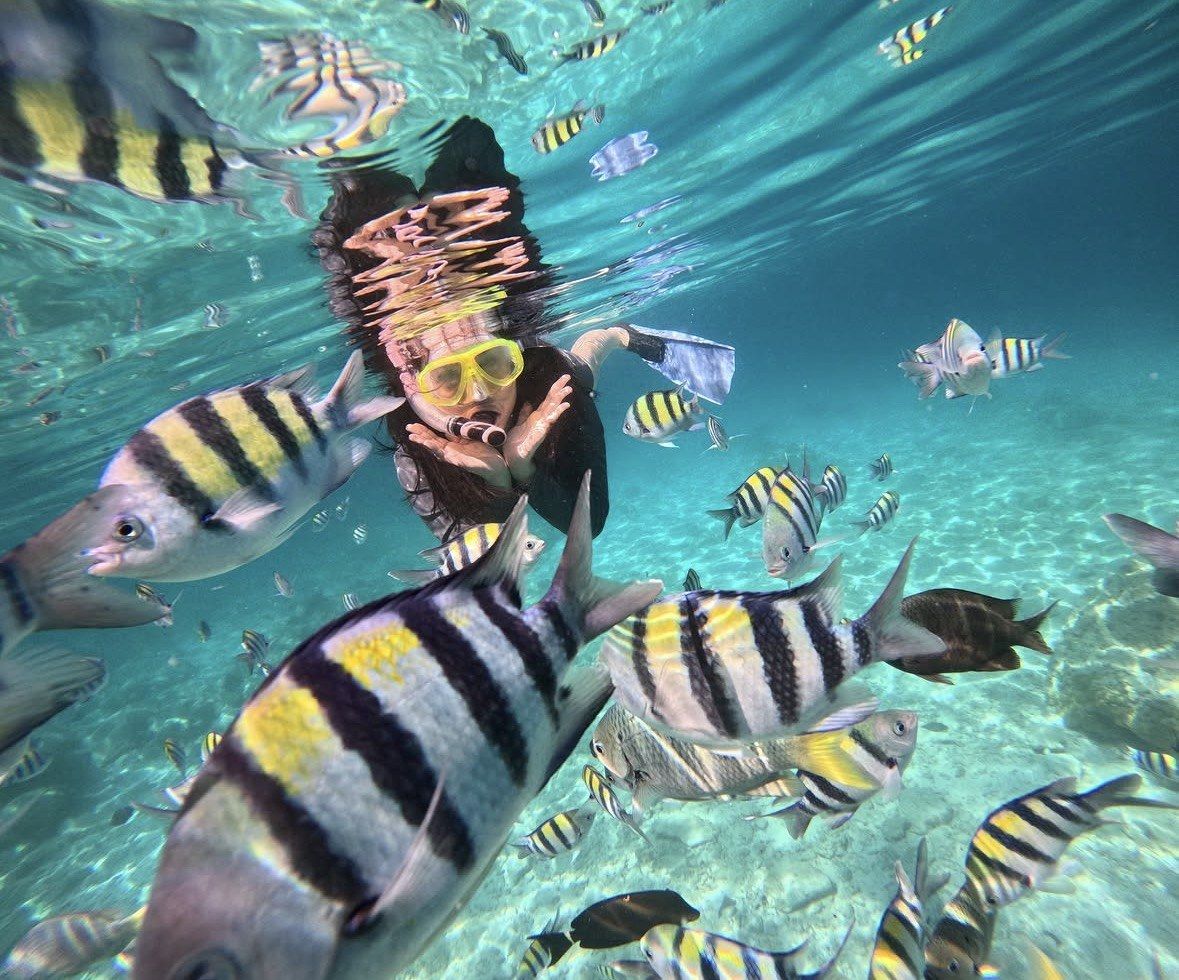
The crescent on the sheltered side, Playa Tortuga, is where boats put you ashore. Sand, low scrub behind it and nothing built: no kiosk, no bathroom, no shade, nobody watching the water. Snorkeling is one of the activities the Fish and Wildlife Service formally lists for Culebra National Wildlife Refuge, and on this cay the interest sits at the ends of the crescent, where sand gives way to rock and the reef edge starts.
Getting to the tide pools means crossing the islet on foot from the landing beach to the exposed side. The distance is modest, but it is open ground the whole way, with no water supply and nothing overhead, so do it early in your window rather than in the last hour. Wear shoes you can walk on rock in, or you will cut the visit to the pools short.
Entries and exits are where coral gets damaged. Pick a sand gap, keep your fins off the bottom and do not use rock or reef as a handrail on the way out; reef guidance for Culebra is clear that the lightest touch of a hand, foot or fin can harm coral.
The lighthouse above the beach is closed
The lighthouse on the high ground dates from the 19th century, Spanish-era, and it is closed to the public because of its damaged condition. Plan on looking at it from outside. There is no interior visit, no viewing platform and no staff up there, and the climb is as exposed as the rest of the islet.
Birds are the other reason people walk up. At least 115 bird species have been reported on Culebra and 14 seabird species nest in the archipelago, and Culebrita is one of the publicly accessible cays for watching them. That open access does not extend across the archipelago: the Flamenco peninsula and the cays next to it are closed to visitors, which keeps the sooty tern colonies nesting there undisturbed, an estimated 30,000 to 40,000 pairs along with about 800 pairs of brown noddies.
What to bring for a half day with no shade and no water
Nothing is sold on the cays, so the day runs entirely on what comes off the boat with you. The standing advice for Culebrita and Cayo Luis Peña is water, sunscreen, snacks, a towel and a hat, and the water is the part people underestimate on a beach with no trees and a walk to the pools.
Gear you carry over from Ceiba is billed piece by piece on the public ferry: a beach cooler $2.00, a beach chair or umbrella $1.00, a bicycle $2.00, with a single small hand-carry bag riding free for each passenger. Water taxis and the booked boat days already supply snorkel gear, so the only real argument for hauling your own is a mask you know fits your face.
Everyone getting in needs to swim unassisted. The Dewey dive shop sets six as the floor age for snorkeling and asks for a parent or guardian present with written consent for anyone under 18, which is a reasonable bar to apply on a cay with no safety personnel. Nobody is paid to watch the water out here: lifeguards on Culebra work Flamenco and nowhere else, which puts Culebrita in the same bracket as Melones, Tamarindo, Carlos Rosario, Punta Soldado and Zoni.
- Drinking water for the whole window, since there is no supply on the islet
- Sunscreen, a hat and a towel
- Snacks, because there are no stores on the cays
- Footwear you can cross rock in for the walk to the tide pools
- Your own mask if fit matters: the shop opposite the ferry terminal in Dewey, open Monday to Saturday 9 AM to 4 PM, hands over mask, snorkel and fins to walk-ins at $20 per day, $25 with a vest, or $16 per day once you keep the set five days or more, and no reservation is involved
- Small bills if you take the 7-hour trip listed here, which collects a $3 marine fee in cash at check-in
Refuge and reserve rules that apply on the cays
Culebrita belongs to Culebra National Wildlife Refuge, created by Executive Order 1042 on 27 February 1909 and one of the oldest federal wildlife reserves in the Caribbean. The refuge covers 1,510 acres and takes in 21 offshore cays around the main island, so most of the water worth snorkeling out here has protected land wrapped around it. Your hours ashore sit inside a 6:00 AM to 6:00 PM daily opening for refuge public areas and trails, so hold that against the water-taxi slot you are thinking of booking, the 11:30 am to 4:30 pm one included.
Removal is the rule to carry everywhere on the archipelago. Along Culebra's southwest coast, the Canal de Luis Peña Natural Reserve was designated on 11 June 1999 after an 18-year local campaign, covers roughly 4.8 square kilometres (1,208 acres) and was the first no-take marine protected area declared in Puerto Rico, with flora and fauna protected from removal by law and fishing banned inside the channel by DNER order the same year. Apply the same standard on Culebrita: shells, coral fragments and fish stay in the water.
Questions about the cays go to the refuge office on Carr. 250 at Km 3.5, Culebra PR 00775, which will also set up interpretive outings for groups and school parties when asked in advance.
- Removing shells, coral or fish is prohibited
- Hands, feet and fins stay off the coral; the guidance for Culebra's reefs is that even the lightest touch does damage
- No standing on seagrass and no dragging fins through it; all of Culebra's seagrass beds are designated critical habitat for endangered species
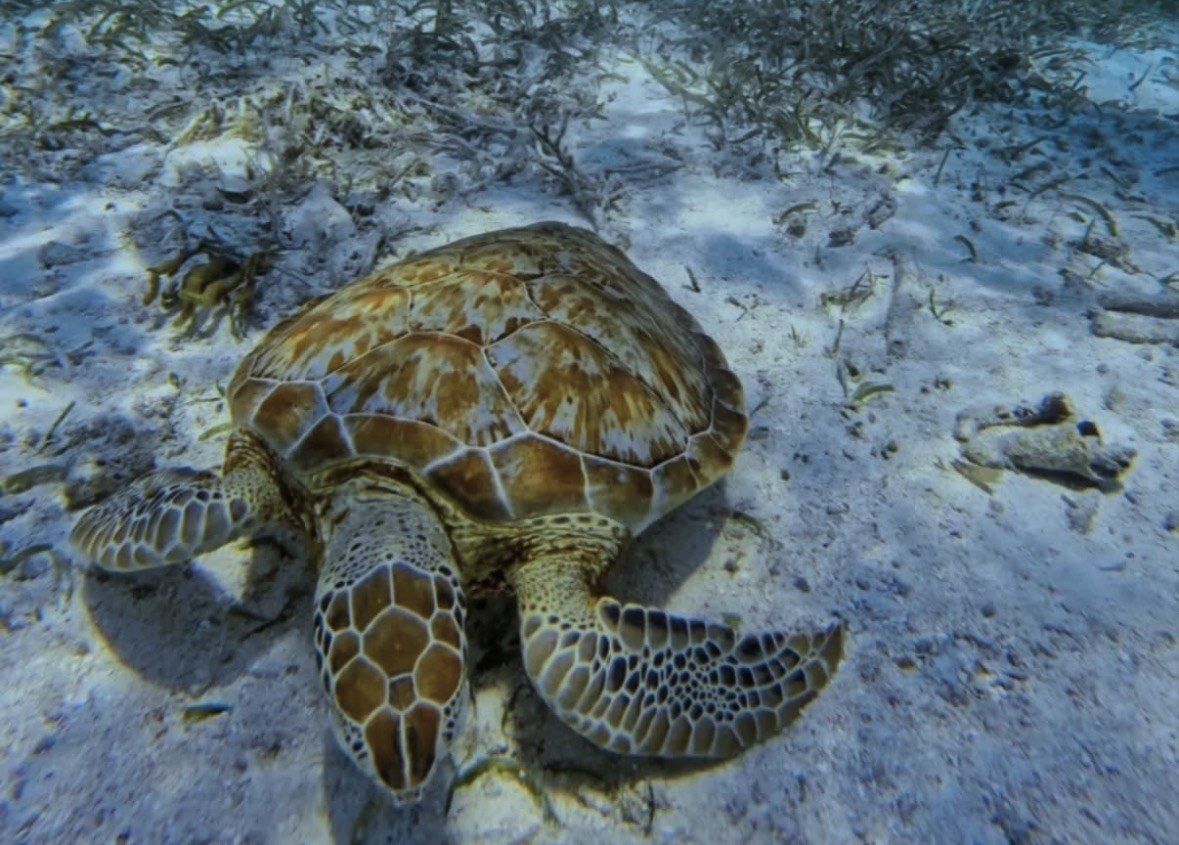
- At least 50 yards from any sea turtle in the water, per NOAA viewing guidance, with no touching, riding or petting
- Skippers calling at the cay are asked to use the mooring buoys rather than drop anchor, and to come off the throttle close to shore and over shallows
- Your time on refuge land, the walk up to the lighthouse included, runs 6:00 AM to 6:00 PM, seven days a week
Which boat day to book if you want reef stops too
A water taxi puts you on the cay and collects you later, and that is the whole service. For reef time in the same day, book one of the boat trips listed on this site before you travel: the island's dive and snorkel high season runs December to March, and that is when space goes first.
Space is easier to come by from May to October, the island's slower stretch, though that window sits inside the Atlantic hurricane season, 1 June to 30 November, with its climatological peak on 10 September. If boats are the point of the trip, stay clear of the first half of that month. All three options in the table carry the same deadline: cancel 24 hours or more before the scheduled departure time and the full amount comes back.
- Out early while the water is still flat, with drinks and a light lunch handled on board: the 6-hour all-inclusive day, from $168, assembling at 8:00am by the gray gazebo with the orange roof opposite the parking lot.
- Eating gluten-free or vegan: the 7-hour day with the deli buffet, from $162, with the option requested by phone at $6 per person extra.
- Based near Fajardo and driving yourself: the 6-hour catamaran, from $180, checking in at Puerto del Rey Marina 45 minutes before departure, where there is parking close to the boat.
| Tour | Price | Duration | Rating | What is included |
|---|
| Culebra Snorkeling and Beach Day Tour All Inclusive | from $168 | 6 hours | 4.7 ★ (1083 reviews) | Snorkel gear, non-alcoholic beverages, rum drinks, light lunch of cold-cut sandwiches, fresh fruit, chips and dips; 8:00am meeting; gratuities not included |
|---|
| Culebra Snorkel and Beach Day with Lunch and Drinks | from $162 | 7 hours | 4.6 ★ (430 reviews) | Snorkel gear, bottled water, rum drinks, piña colada and soft drinks, deli buffet, vegetarian pasta salad, fruit platter, chips and cookies; $3 marine fee in cash at check-in |
|---|
| Culebra Snorkeling Tour by Catamaran from Fajardo | from $180 | 6 hours | 4.6 ★ (2722 reviews) | Lunch, sodas, juices, water and local beer, snorkel gear; hotel pickup and drop-off not included |
|---|
Questions people ask
Can children and first-time snorkelers do a Culebrita day?
Children can come: one water-taxi operator charges $30.00 for a child under 10 against $55.00 per person otherwise. The Dewey dive shop's conditions travel well as a baseline for any Culebra snorkel, this cay included: swimming unassisted is required, six years is the floor age for snorkeling, and under-18s need a parent or guardian along with written consent. Remember there are no lifeguards on the cay.
Can you reach Culebrita directly from mainland Puerto Rico?
Not on the public ferry, which runs between the Ceiba terminal at Marina Dr., Roosevelt Roads and the Culebra terminal on Calle Pedro Márquez in Dewey, a crossing of about 1 hour 30 minutes, with an adult fare of $2.25 one way for ages 13 to 59. From Dewey you take a boat or water taxi out to the cay. Flights into Benjamín Rivera Noriega Airport are the fast alternative, with most island hops under 25 minutes, while the boat trips listed on this site leave from Fajardo marinas.
Is fishing or collecting shells allowed around the cays?
No. Puerto Rico's first no-take marine protected area is the Canal de Luis Peña Natural Reserve, where the law keeps flora and fauna from being taken, shells, coral and fish alike. Fishing inside the Luis Peña channel has been banned by DNER order since 1999. The cays themselves are federal refuge land, so nothing leaves with you from Culebrita either.
What happens if the weather cancels the boat?
Weather risk is highest inside the Atlantic hurricane season, 1 June to 30 November, which peaks climatologically on 10 September, and that is when ferries and small boats are most likely to be called off. Cancel a trip booked from this site 24 hours or more before its scheduled departure and you get the full amount back. Water-taxi bookings are a harder deadline: refundable only up to 48 hours ahead, with nothing returned on the day.
Where can you see Culebrita from the main island?
Playa Zoni, at the eastern dead end of PR-250 about 9.0 km (5.6 mi) from the Port of Culebra pier, looks straight out at Culebrita, Cayo Norte and St Thomas. The beach is usually deserted, and like the rest of the east side it has no lifeguards. It is a fair stop on a day when the sea is too lively for a crossing to the cay.
Read also