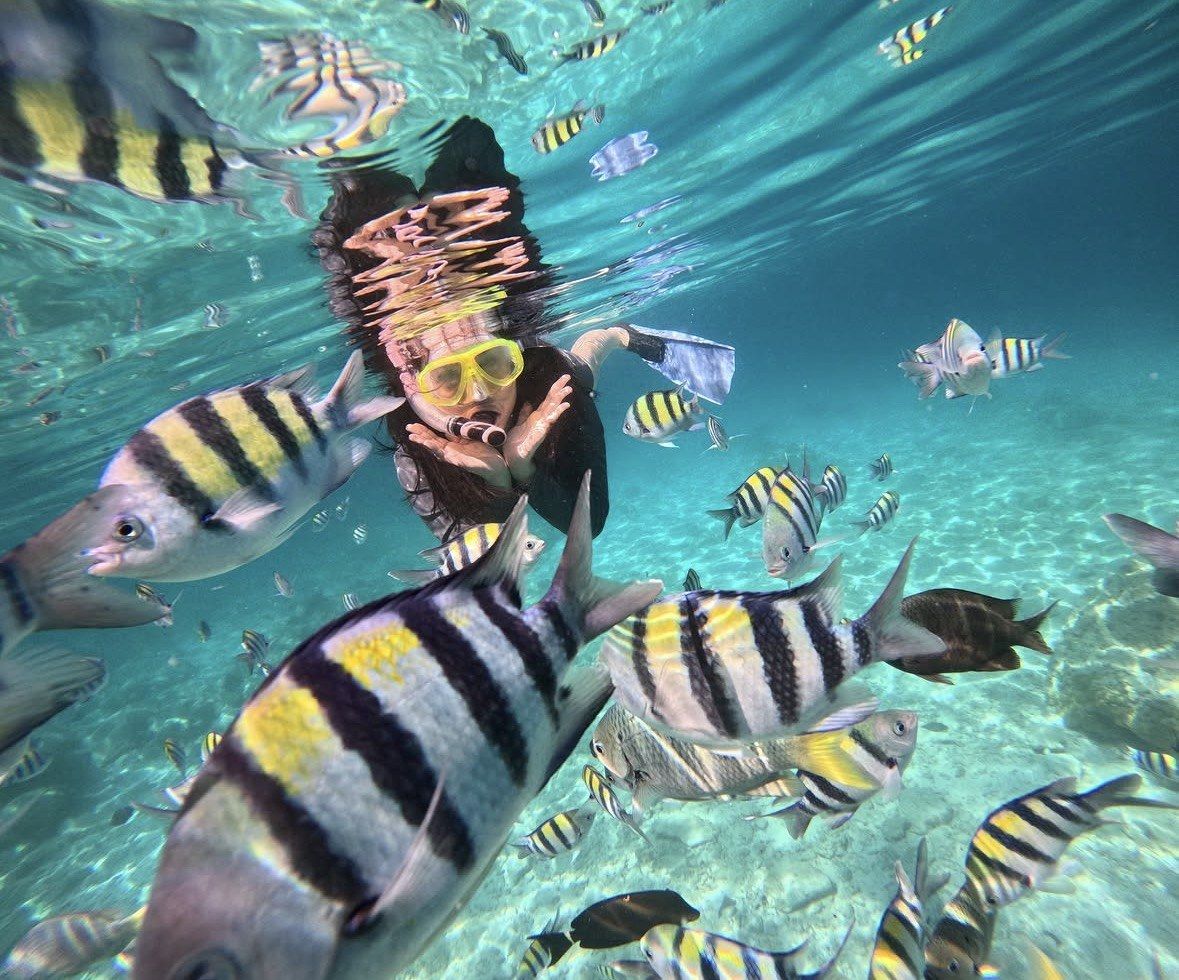
In shortTamarindo Beach sits off PR-251 on Culebra's sheltered southwest coast, at a turn you take before the road climbs to Flamenco. It fronts the Canal de Luis Peña Natural Reserve, a no-take area where nothing may be removed, and its protected seagrass is where green turtles feed. Snorkel before 10 AM, and stay at least 50 yards from any turtle.
from $146guided turtle snorkel day
50 yardsdistance from sea turtles
1,208 acresno-take reserve area
342 acresCayo Luis Peña offshore
Where Tamarindo Beach Culebra is and how to reach it
Playa Tamarindo lies on the leeward southwest side of the island, with its access off PR-251. That road leaves PR-250 in front of Benjamín Rivera Noriega Airport and runs 2.9 km (1.8 mi) northwest until it dead-ends at Flamenco, giving indirect access to Tamarindo and Punta Molinos on the way up. The PR-250/PR-251 junction sits roughly 1.3 km (0.81 mi) from PR-250's western terminus at the ferry pier, and Flamenco, at the far end of the same road, is about 2.5 miles out of Dewey over hilly ground.
Sort out wheels before you think about the beach. The ferry will not carry your rental car to the PR-251 turn: vehicles are loaded only when they belong to a Vieques or Culebra resident, so the mainland car stays in the Ceiba terminal lot at about $15 per day and you ride the continuously running shuttle to the gate. On Culebra, Carlos Jeep Rental has its main office on Carr. #250 and a second office on PR-251 by the airport, takes bookings on (787) 742-3514 and opens seven days a week, with jeeps, minivans and four- and six-passenger golf carts. Públicos and taxis also work: the shared run from the ferry dock out to Flamenco costs about $5 per person each way, and the road has no sidewalks for walking it.
Coming over for a single day without a vehicle changes the calculation. The 10-hour ferry-based trip listed on this site covers the Ceiba crossing and ground transportation around the island, so you are not negotiating cart rental on arrival.
Turtle day by ferry, from $146
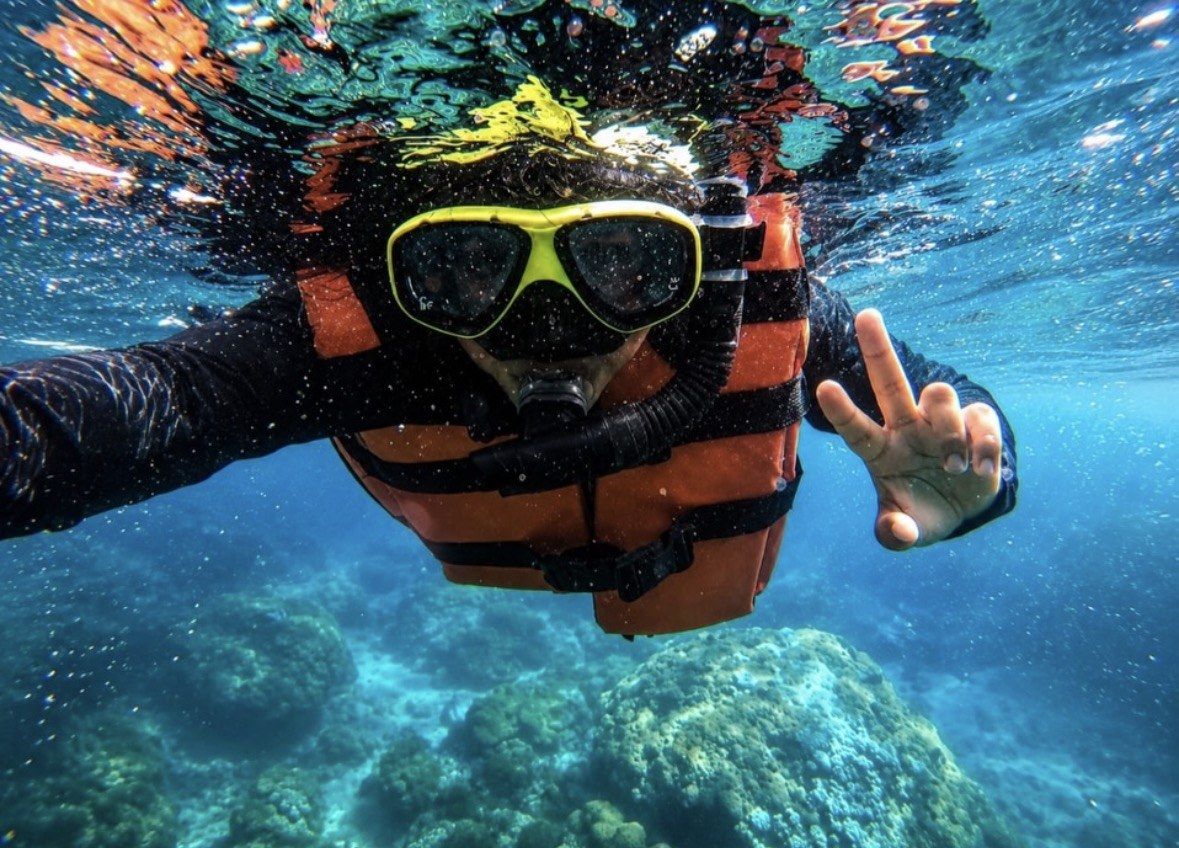
Arriving from the mainland without a car, this 10-hour trip is the practical choice: the Ceiba crossing, island transport, snorkel gear and guided snorkeling with opportunities to swim with sea turtles all sit in the one booking.
★ 4.7/5 · 1,529 reviews
The no-take reserve on the other side of the sand
The water in front of Tamarindo belongs to the Canal de Luis Peña Natural Reserve, designated on 11 June 1999 at the end of an 18-year local campaign. It covers roughly 4.8 square kilometres (1,208 acres) of inland and maritime public-domain area and was the first no-take marine protected area declared in Puerto Rico: flora and fauna are protected from removal by law, which means no shells, no coral fragments and no fish leave with you. Puerto Rico's DNER issued the order banning fishing inside the channel the same year.
The reserve follows the leeward coast between the Flamenco Oeste peninsula and Punta de Vapor, which is the reason Tamarindo, Melones and Carlos Rosario stay calm while the north and east shores take the wind. Offshore sits Cayo Luis Peña, about 342 acres of federal refuge land, breaking the swell before it reaches the shoreline you swim from.
The cay you look at from the sand, and the trails inland of it, carry an older designation. Theodore Roosevelt's Executive Order 1042 of 27 February 1909 set aside Culebra National Wildlife Refuge for native birds, the first federal wildlife reserve in the Caribbean, and the refuge today runs to 1,510 acres across 21 offshore cays. Those public areas and hiking trails open at 6:00 AM and close at 6:00 PM every day, so any walking you tack onto a Tamarindo swim has to fit inside that window.
Tamarindo Beach Culebra turtles: what you see and the 50-yard rule
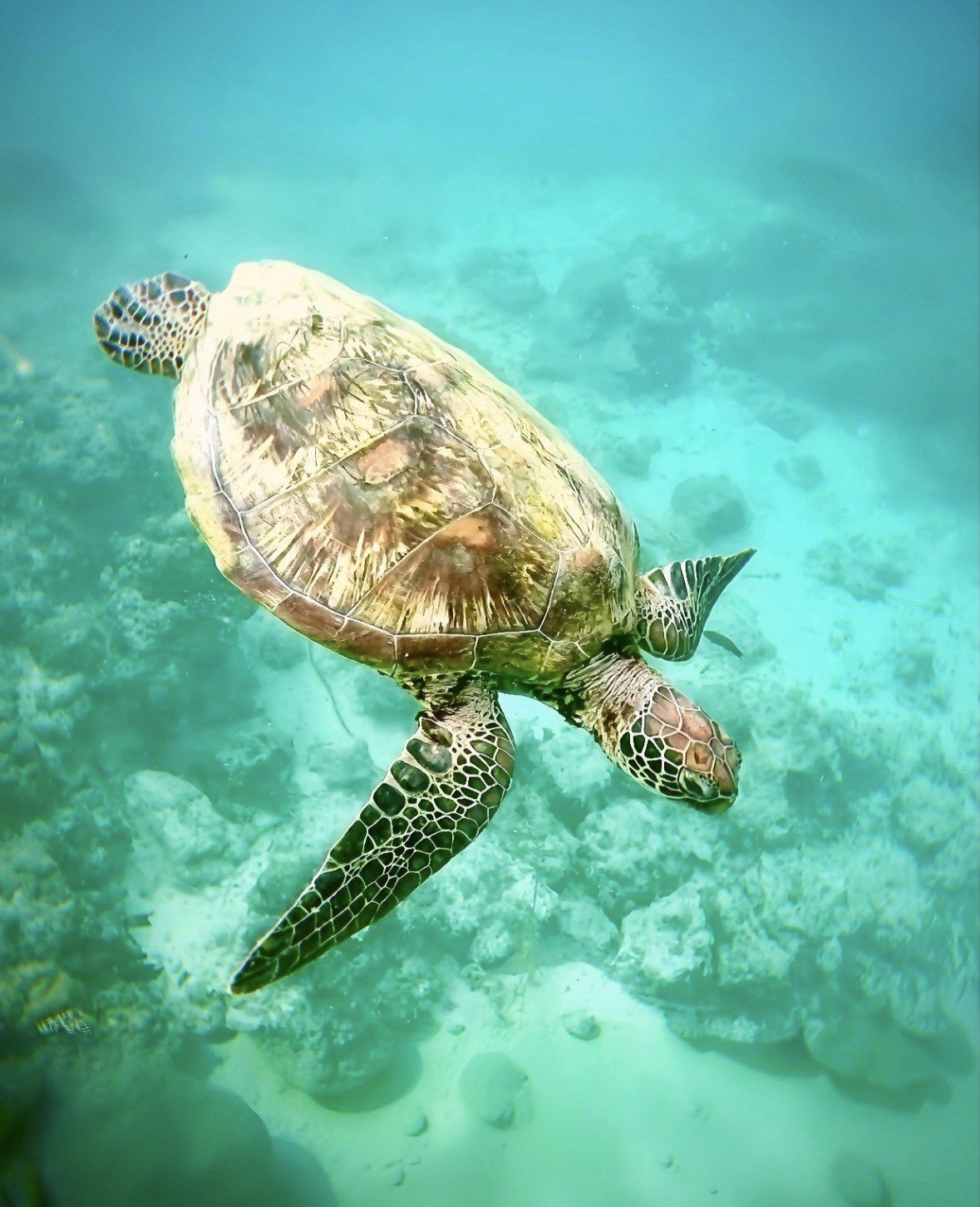
Green turtles come into the shallow seagrass to feed, and that grass is the reason snorkelers pick this beach over prettier sand elsewhere. The refuge's notable wildlife includes hawksbill, green and leatherback sea turtles, so a hawksbill working the reef edge is possible too. All of Culebra's seagrass beds are designated critical habitat for endangered species and legally protected, and standing on them or dragging your fins through them is prohibited, so swim flat and keep your feet up.
NOAA's viewing guidance for U.S. waters asks snorkelers to hold at least 50 yards off a sea turtle in the water, and touching, riding, petting or trying to interact with one is not permitted. In practice you stop swimming, float still and let the animal decide where it goes, instead of closing the gap for a photograph. The same restraint applies to the reef, where any contact does harm and the lightest touch of a hand, foot or fin can damage the coral.
Turtles are not the only thing in the water here. Soft corals and sea anemones are what this stretch of the leeward coast is known for. If you are working out where to see turtles in Culebra from shore, the leeward seagrass beds at Tamarindo and Melones are the two that snorkelers come for; adding a boat day opens up Cayo Luis Peña and Carlos Rosario, which no road reaches.
| Rule in the water | What it means at Tamarindo |
|---|
| Sea turtles | Stay at least 50 yards away, per NOAA viewing guidance |
|---|
| Contact with turtles | No touching, riding or petting |
|---|
| Seagrass beds | Designated critical habitat, where standing on the grass or dragging fins through it is prohibited |
|---|
| Coral | Any contact harms it, including the lightest touch of a hand, foot or fin |
|---|
| Taking anything | No-take reserve since 11 June 1999, so shells, coral and fish all stay in the water |
|---|
| Fishing | Banned inside the Luis Peña channel by DNER order in 1999 |
|---|
| Boats | Tie to mooring buoys rather than anchor, and slow down near shore and in the shallows |
|---|
| Refuge land and trails | Open daily 6:00 AM to 6:00 PM |
|---|
Conditions, timing and what to bring
Get in early. The trade winds build through the day on Culebra and only the southwest-facing coves stay sheltered, so a session that starts before 10 AM at Tamarindo is a different beach from the same spot at two in the afternoon. Refuge land access opens at 6:00 AM if your plan involves walking anywhere inside it.
Across the year, the island's dive and snorkel high season runs December to March, which is when the sea state is most dependable and when boat space goes first, so reserve weeks ahead. Boat seats and beds are easier to come by from May to October, though those months fall inside the official Atlantic hurricane season of 1 June to 30 November, whose climatological peak lands on 10 September; if a boat day is the point of the trip, keep clear of the first half of that month. Ferry sailing times are published only as a dated official itinerary, the current one covering 1 August to 30 November 2026, so check the operator's current timetable rather than a figure you saw last year.
Two things to know before you drive out: Flamenco is the only Culebra snorkel beach with lifeguards, while Melones, Tamarindo, Carlos Rosario, Punta Soldado and Zoni have none, and you should carry your own water and shade for a reserve beach. Gear is easy to sort in Dewey.
- A shore day at Tamarindo needs nothing booked ahead: the shop opposite the ferry terminal rents walk-in at $20 per day for mask, snorkel and fins, $25 with a vest, and $16 per day once you keep the set five days or more
- Shop hours Monday to Saturday, 9 AM to 4 PM, so you can collect gear straight off the boat
- Everyone getting in has to swim unassisted; six is the minimum age for snorkeling, and under-18s need a parent or guardian present along with written consent
- Ferry item charges if you bring your own kit: $2.00 for a beach cooler, $2.00 for a bicycle, $1.00 for a beach chair or umbrella, with one small hand-carry bag included per passenger
Guided trips that put you over the turtle grass
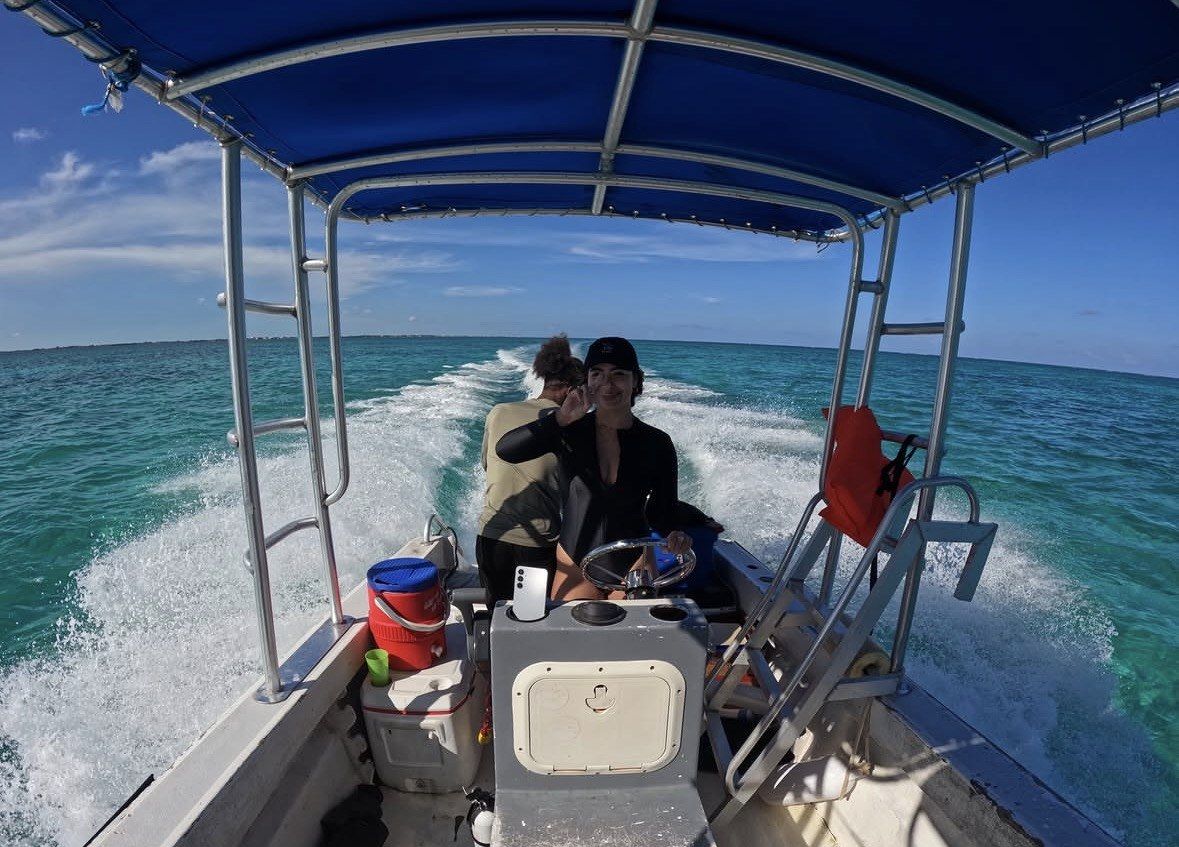
A guided boat day solves the two problems a shore session cannot: it reaches the leeward reefs that no road serves, and it puts someone with local knowledge between you and a protected seagrass bed. Three trips on this site cover the turtle side of Culebra from different starting points.
- Culebra Snorkel with Turtles & Flamenco Beach Adventure by Ferry: the turtle-first option, 10 hours, from $146, with a 4.7 rating across 1529 reviews. One booking absorbs the logistics: ferry tickets both ways between Ceiba and Culebra with entry admission, a Flamenco Beach visit with its admission, mask, fins, snorkel and flotation belt, guided interpretive snorkeling with opportunities to swim with sea turtles, ground transportation around the island, snacks and refreshments, and a digital photo album. Lunch you buy on Culebra, since it falls outside the price; your guide waits in front of the ferry boarding area.
- Culebra Snorkel and Beach Day with Lunch and Drinks: 7 hours, from $162, rated 4.6 from 430 reviews, the lowest boat-tour starting price here. Food and drink run to a deli buffet where you build your own sandwich, vegetarian pasta salad, a fruit platter, chips and cookies, bottled water, soft drinks, rum drinks and piña colada, with snorkel gear supplied. Keep cash for the $3 marine fee charged at check-in, allow for gratuities, and phone ahead if you want the vegan or gluten-free option at $6 per person. Check-in is at the dive shop suite before boarding, where parking is available.
- Full Day Charter from Fajardo to Culebra: 7.5 hours, from $1292 for the whole boat, rated 5.0 from 158 reviews. On board are a pork or chicken BBQ with pasta salad and sweet bread, half a gallon of rum, a box of Medalla beer, sodas, bottled water, fruit, chips, snorkel gear and parking fees. Private transportation and gratuities are not included. Sunbay Marina wants you there 20 minutes early: give the guard your reservation number and full name, park past Pier A, then walk to the first gazebo beside the marina office.
- Cancelling at least 24 hours before the scheduled departure time brings a full refund on all three.
Questions people ask
Is there parking at Tamarindo Beach?
No official source documents a formal parking area, surface or capacity at Tamarindo, so do not count on one. Flamenco, at the end of the same PR-251, is the beach with the large managed lot, where admission and parking are collected by ACDEC, the municipal authority that runs it, at amounts published back in October 2018. Plan on arriving by golf cart, jeep or taxi, or let a tour handle the transport.
Do independent snorkelers pay a fee for the Luis Peña reserve?
That is one thing no official source confirms: whether snorkelers arriving on their own pay anything for the Canal de Luis Peña Natural Reserve, and how the fee bundled into commercial trips is set. What is documented is that operators include it. On the 7-hour snorkel and beach day listed here, a $3 marine fee is payable in cash at check-in, so carry small bills either way.
Can children snorkel at Tamarindo?
The island shop's conditions are a sensible baseline anywhere on Culebra: you must be able to swim unassisted, the minimum age for snorkeling is six, and anyone under 18 needs a parent or guardian along with written consent. Flamenco is the only Culebra snorkel beach with lifeguards, so at Tamarindo the adults do the watching. The guided boat trips supply flotation gear with the mask and fins.
Tamarindo or Flamenco for turtles?
Go to Tamarindo for turtles and to Flamenco for a beach day. Tamarindo faces the sheltered southwest coast and has the protected seagrass that green turtles feed on, plus soft corals and sea anemones. Flamenco's reef is confined to its east end, where the entry and exit is the gap between the two rows of concrete and rock rather than over the reef itself, and it is the one beach with lifeguards, restrooms, showers and kiosks on site.
How long does the crossing take if I am coming over for the day?
Official timings put the passenger run at about 1 hour 30 minutes in each direction, from the Ceiba terminal at Marina Dr., Roosevelt Roads to the Culebra terminal on Calle Pedro Márquez in Dewey. You must be at the terminal one hour before departure and boarding closes 10 minutes before sailing, and tickets are non-refundable, transferable at most twice and only at least an hour ahead. The adult fare is $2.25 one way for ages 13 to 59. Sailing times change several times a year, so check the current itinerary on the day you book.
Read also